
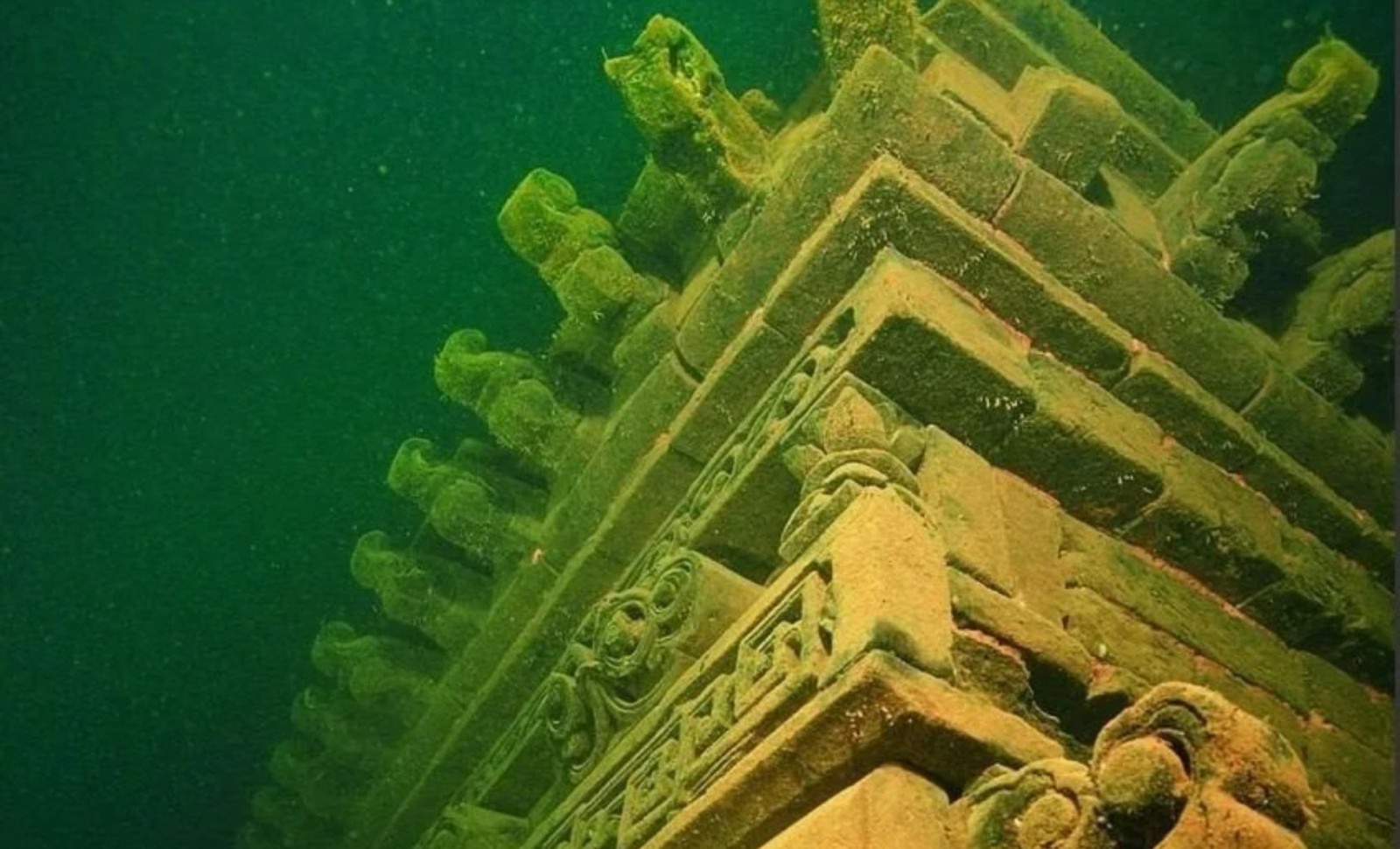
Hidden beneath the waters of eastern China's Qiandao Lake, lies a 600-year-old city virtually untouched by time. Known as Shi Cheng or Lion City, this sunken metropolis has drawn comparisons to the mythical Atlantis due to its extraordinary state of preservation underwater.
The city was intentionally flooded in 1959 as a result of a hydroelectric dam project. Rather than destroying the site, the submerged environment helped shield its original structures from deterioration.
Shi Cheng originated during the Eastern Han Dynasty and experienced significant growth throughout the Ming and Qing dynasties. Once a prominent administrative hub, its architectural planning remains remarkably intact and easily discernible even today, despite being submerged for over fifty years.

Deliberate Flooding for Hydroelectric Development
The city was deliberately engulfed to make way for a hydroelectric power station that led to the formation of Qiandao Lake. As reported by NDTV, the initiative submerged entire towns and necessitated the relocation of numerous communities.
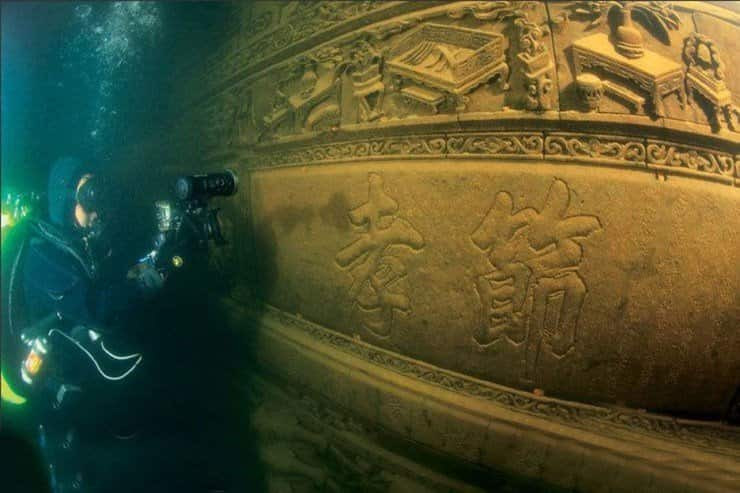
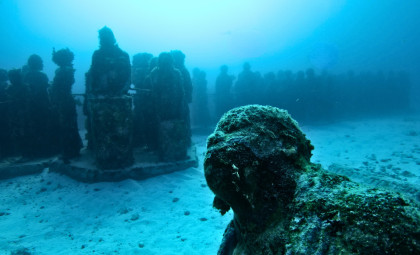
The ruins now rest between 85 and 131 feet beneath the lake’s surface. Prior to the flooding, the city thrived with well-organized streets, temples, and civic buildings.
After the dam’s completion, rising waters gradually submerged the area, preserving its structural integrity instead of destroying it.
An Exceptionally Well-Preserved Submerged City
One of Shi Cheng’s most impressive traits is how intact it remains. According to Indy100, the underwater environment protected the city from natural erosive forces like sun, wind, and rain. Divers have observed elaborate architectural details still sharply defined.
“We were lucky. As soon as we dived into the lake, we found the outside wall of the town and even picked up a brick to prove it,” said Qiu Feng, a local tourism chief, as quoted by The DailyMail.
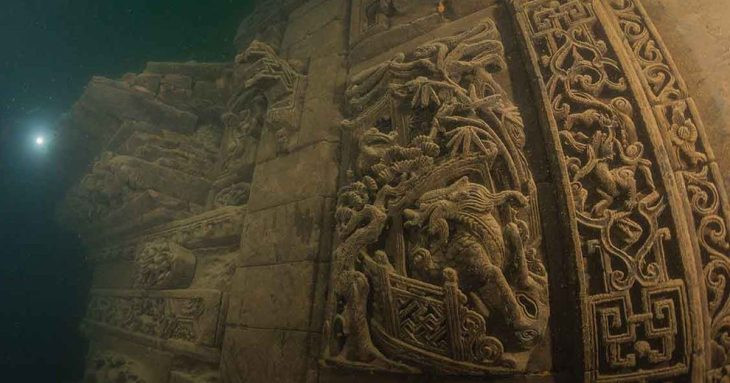
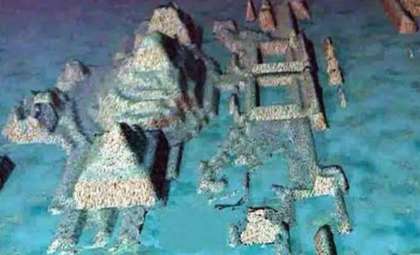
Motifs of dragons and phoenixes are still visible on stone walls and facades. Massive gates, stone arches, and staircases remain intact, and stretches of streets can be traced, offering insight into the city’s original urban design.
Unlike ruins exposed to the elements, Shi Cheng’s structures have avoided typical decay. The water acts as a protective barrier, albeit limiting access for exploration.
A Rediscovered Historical Treasure
For decades after becoming submerged, Shi Cheng was largely forgotten by the outside world. Renewed exploration began in the early 2000s, revealing both the site’s vastness and exceptional state of conservation, as documented by NDTV.
Since these discoveries, Shi Cheng has earned the nickname “Atlantis of the East.” This title reflects the enigmatic sunken city’s state of near-perfect preservation and its challenging underwater location. Today, it draws professional divers, historians, and filmmakers eager to uncover its secrets.
- Categories:
- News









0 comments
Sign in to Comment