
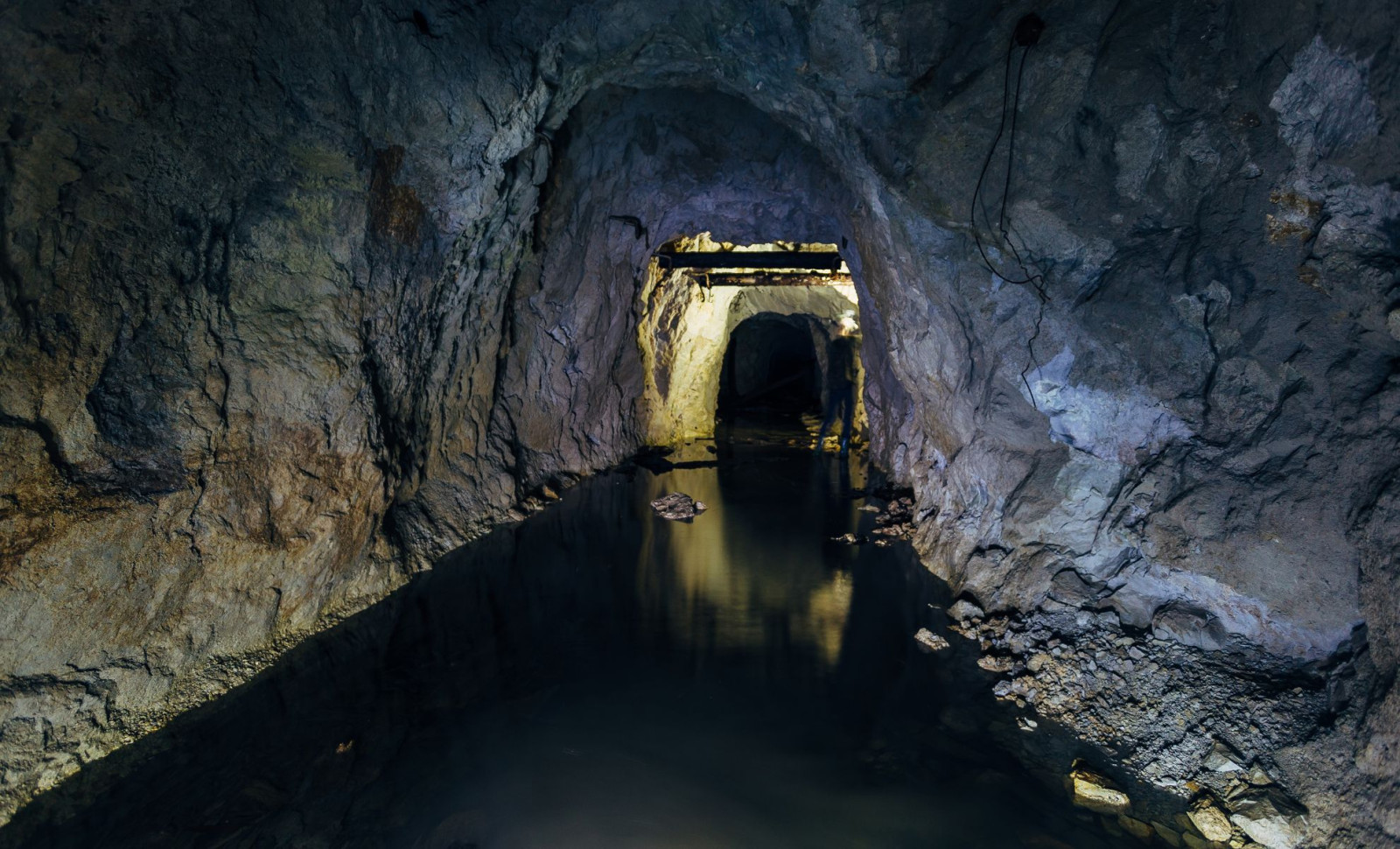
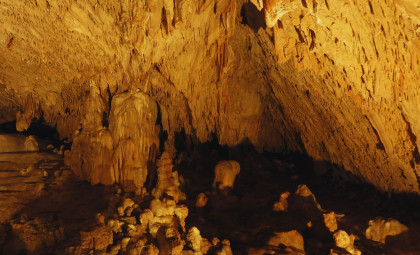
An aquatic cavern in Central Texas has unveiled an exceptional trove of ancient fossils. Concealed beneath the flowing water, this location harbors the remnants of enormous creatures that lived approximately 100,000 years ago.
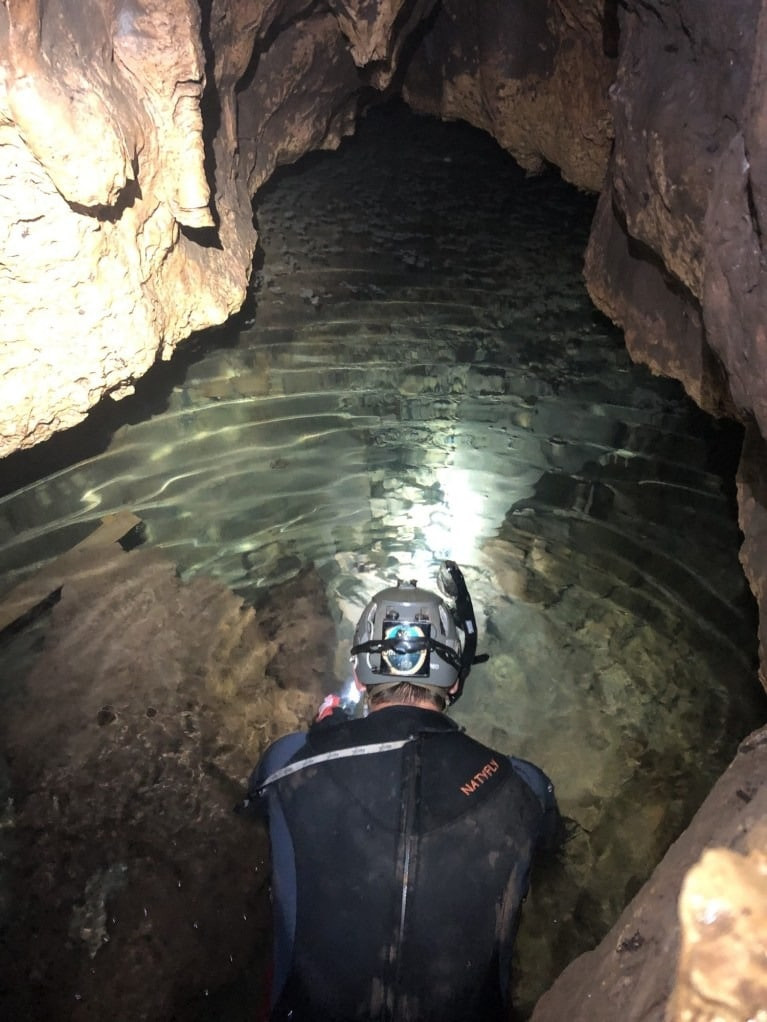
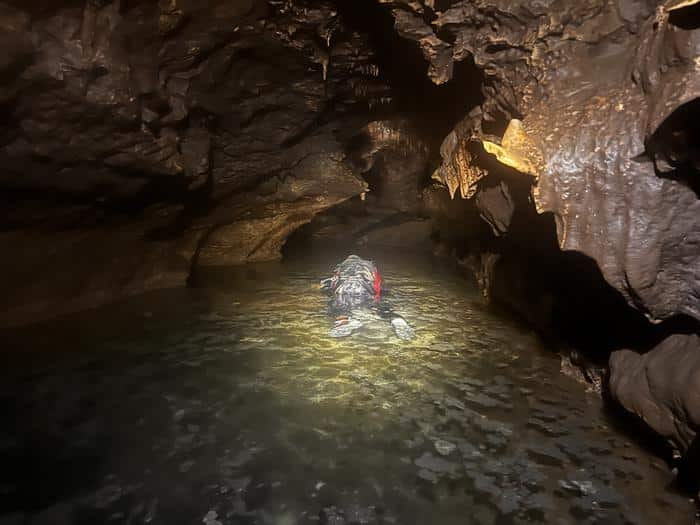
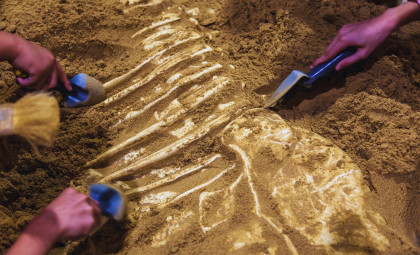
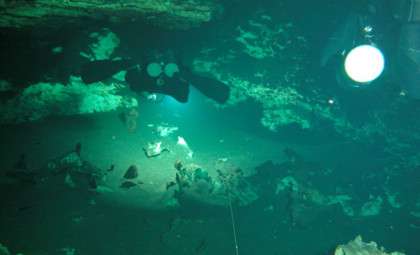
Researchers investigated Bender’s Cave, situated in Comal County near San Antonio, by navigating submerged tunnels using snorkeling gear instead of traditional excavation methods. Their investigation uncovered not just isolated bones, but a thick layer of fossilized remains spread across large segments of the cave’s floor.
The results, detailed in a publication in Quaternary Research, highlight an unexpectedly varied assemblage of megafauna. This site may offer a rare glimpse into ecosystems from a warmer phase during the last glacial period, an era that remains scantily studied in this region of Texas.

Fossils Abound Throughout the Submerged Cave
The overwhelming quantity of fossils within Bender’s Cave immediately captured the attention of the scientists. John Moretti, a paleontologist with the University of Texas at Austin, remarked on the unparalleled density of the discoveries.
“There were fossils everywhere, just everywhere, in a way that I haven’t seen in any other cave,” he recalled. “It was just bones all over the floor.”
From March 2023 through November 2024, the team conducted explorations across 21 separate zones. Instead of excavating, they collected samples by reaching into the water. The study suggests that the cave’s varying water levels—affected by rainfall, flooding, and sinkhole events—played a key role in relocating and preserving the bones over millennia.
Texas Once Home to Giant Sloths, Armadillos, and Mastodons
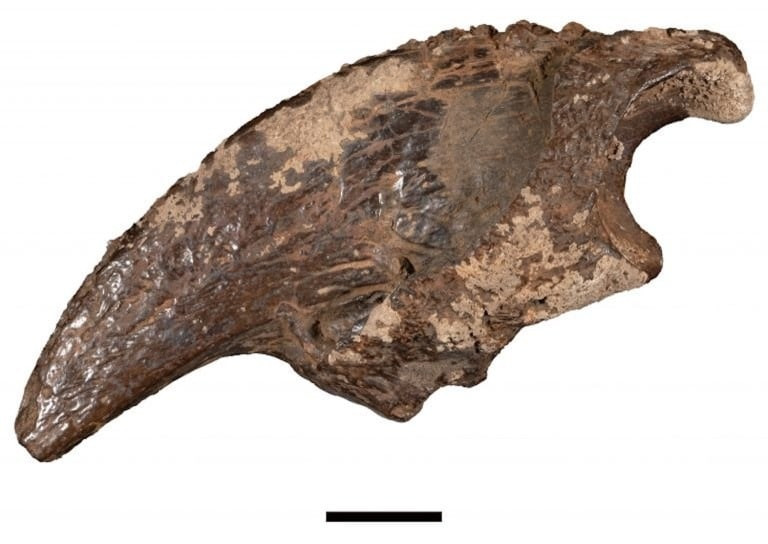
The fossil assemblage includes remains of mastodons, giant ground sloths, prehistoric camels, and the remarkable pampathere, a large ancestor of today’s armadillos. As the researchers explain, the pampathere could weigh up to 440 pounds and possessed teeth designed for browsing tough plant material rather than a mixed diet.
The discovery of the pampathere is particularly significant, as this animal evolved originally in South America and migrated northward following the emergence of the Isthmus of Panama about 2.7 million years ago. Unlike modern omnivorous armadillos, the pampathere was herbivorous until its extinction roughly 12,000 years ago.
Insights Into an Ancient Interglacial Era
Although fossil dating is ongoing, scientists believe these remains hail from the last interglacial period, near 100,000 years ago. John Moretti emphasized how this could mark a groundbreaking find for the area.
“This site is showing us something different, and that’s really important because of all the work that’s been done in this region,” he said. He added that if the dating is confirmed, “it’s a new window into the past and into a landscape, environment, and animal community that we haven’t observed in this part of Texas before.”
This new perspective is especially valuable since most prior discoveries from this area relate to colder ice age periods, leaving warmer stages less understood. The fossils found in Bender’s Cave help bridge that knowledge gap. The water-sculpted cavern continues to act as a time capsule, preserving glimpses of a long-lost ecosystem beneath its submerged passages.
“Some of the fossils that John has come across are species that we didn’t think would occur in this part of Texas,” said David Ledesma, an assistant professor at St. Edwards University, who was not part of the study. “That we’re still learning new things and finding new things is quite exciting.”
- Categories:
- Science





0 comments
Sign in to Comment