
Researchers analyzing ancient genetic material have solved a long-standing enigma involving two prehistoric individuals, discovering that both were affected by an uncommon genetic disorder impacting their growth. Published in the New England Journal of Medicine, this study sheds new light on the biological challenges faced by people living more than 12,000 years ago.
The site of a remarkable double burial in southern Italy, where two bodies were interred in close contact, has fascinated scientists for years. The pair’s notably short stature and distinctive bone structures had led to much speculation concerning their kinship and medical conditions. Recent genetic analysis has now confirmed that these shared traits stemmed from a rare inherited disorder.
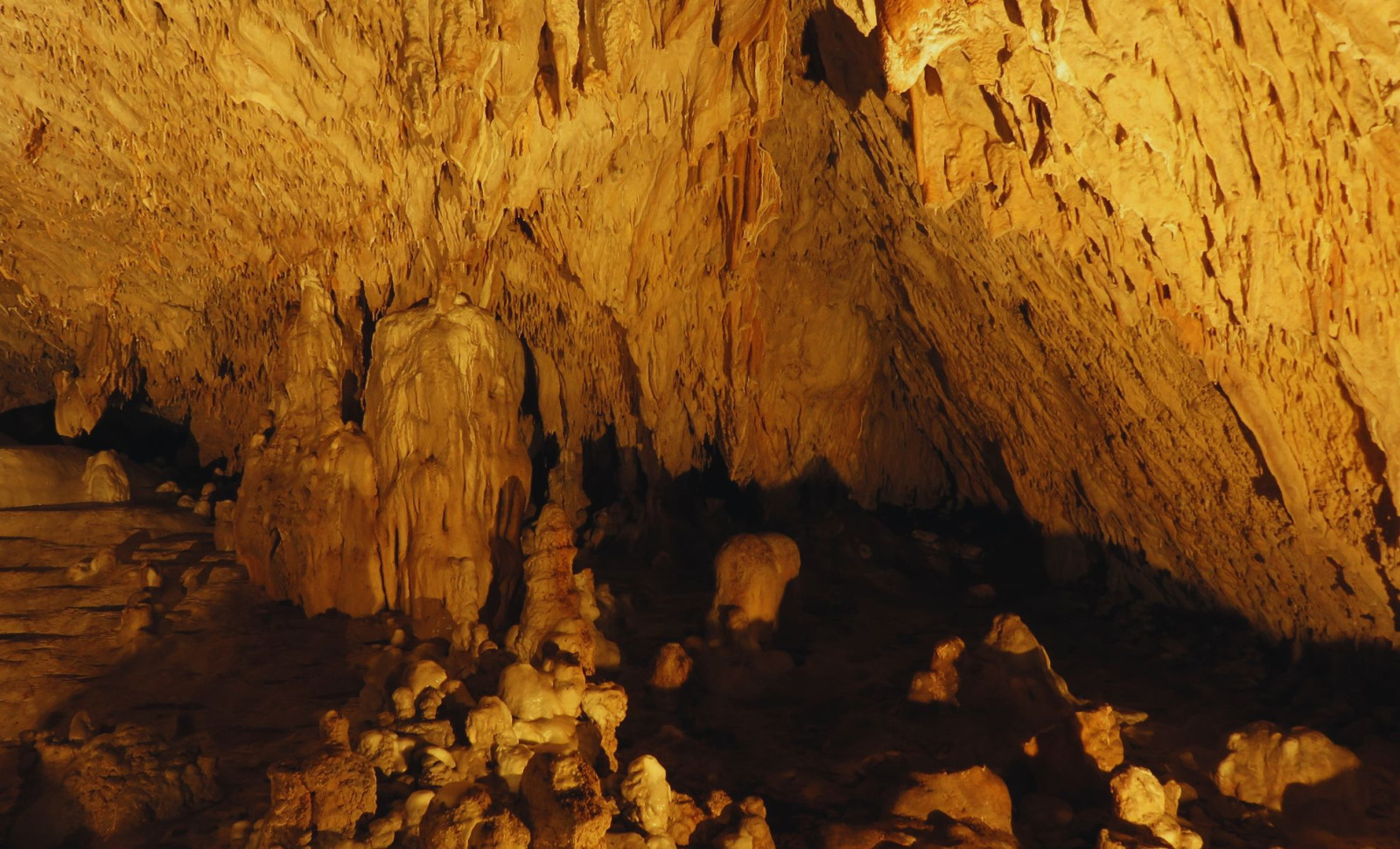
Grotta del Romito: An Enigmatic Archaeological Site
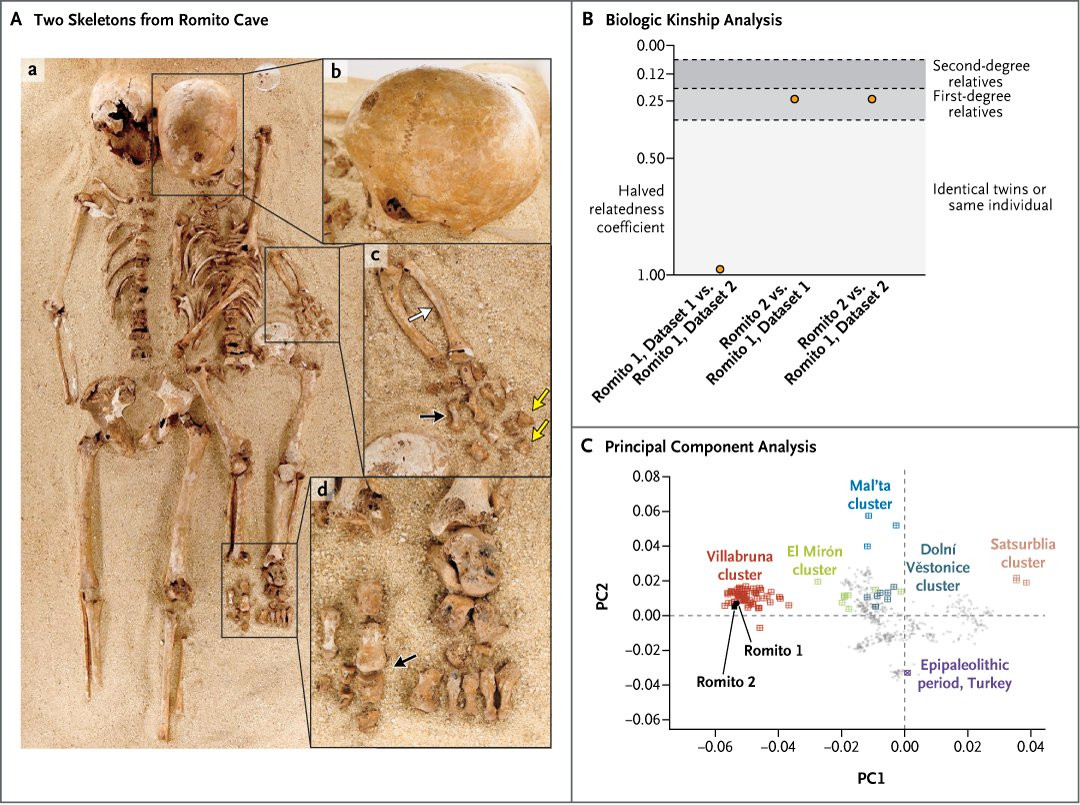
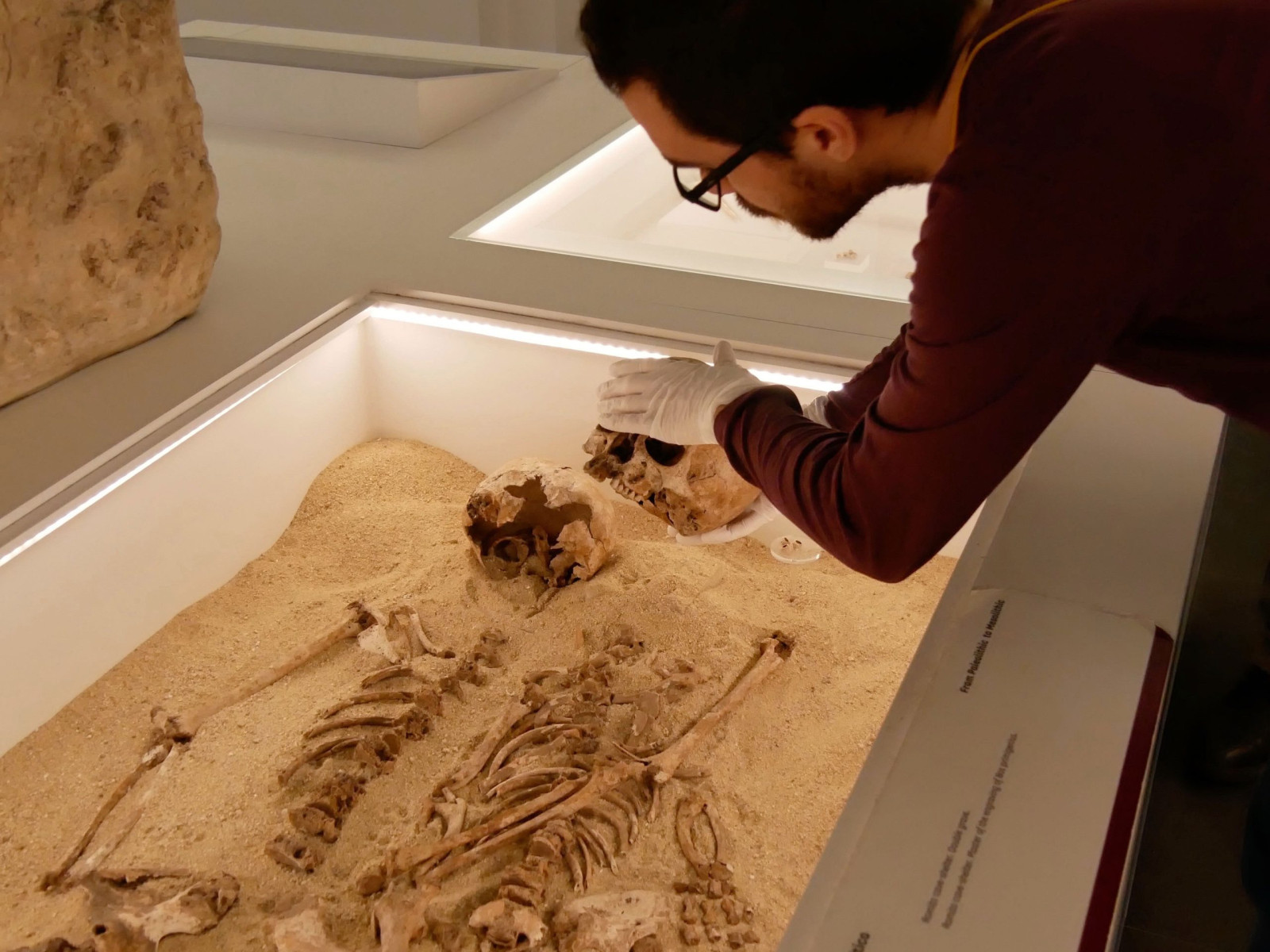
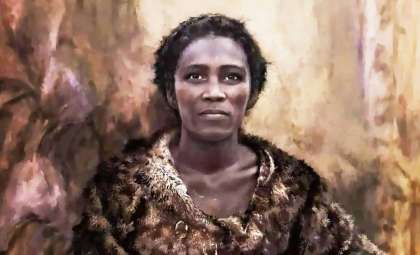
Located in Grotta del Romito, discovered in 1963, this burial spot has been a topic of scientific debate for decades. The remains of a probable adult female and a younger adolescent were found arranged in a manner indicating a close relationship. The adolescent, known as Romito 2, displayed severely shortened limbs, prompting hypotheses about a genetic disease such as acromesomelic dysplasia. However, conclusive genetic proof was lacking until now.

Scientific curiosity around their shared dwarfism and bone abnormalities led to renewed investigation when advances in ancient DNA extraction enabled new possibilities. A collaborative effort by researchers from the University of Vienna and Liège University Hospital Centre has now identified the genetic cause behind the condition.
Ancient DNA Identifies Rare Growth Disorder
Through sequencing DNA from the skeletal remains, scientists determined that the two prehistoric individuals had acromesomelic dysplasia of the Maroteaux type—an uncommon condition caused by mutations in the NPR2 gene, which regulates bone development. The adolescent, Romito 2, carried two mutated copies of NPR2, explaining her pronounced symptoms, while Romito 1, the adult female, possessed one mutated copy, manifesting a milder form of the disorder.
The study, featured in the New England Journal of Medicine, represents the earliest confirmed diagnosis of this condition in prehistoric humans. The findings underscore the transformative role of paleogenomics—analyzing ancient DNA—to reveal prehistoric patterns of disease. Lead researcher Daniel Fernandes commented:
“Identifying both individuals as female and closely related turns this burial into a familial genetic case. The older woman’s milder short stature likely reflects a heterozygous mutation, showing how the same gene affected members of a prehistoric family differently.”
A Remarkable Mother-Daughter Relationship
Remarkably, Romito 2 survived into her teenage years or early adulthood, despite debilitating physical challenges. This suggests she benefited from substantial care provided by her community, illustrating early examples of social support systems.
The confirmed mother-daughter relationship between Romito 1 and Romito 2 demonstrates how family played a vital role in caring for vulnerable members. Researchers propose that Romito 2’s continued survival would have relied heavily on assistance with basic needs amid the demanding Upper Paleolithic environment. Co-leader of the study, Alfredo Coppa, explained:
“We believe her survival would have required sustained support from her group, including help with food and mobility in a challenging environment.”
Insights from Paleogenomics on Ancient Human Diseases
Ancient DNA research is revolutionizing how scientists study the prevalence and evolution of human diseases throughout history. By decoding genomes from prehistoric populations, geneticists can trace the origins and persistence of mutations affecting health.
The interdisciplinary approach combining genetics, archaeology, and medicine offers fresh perspectives on ancient life. As Ron Pinhasi, a principal investigator of the project, remarked:
“By applying ancient DNA analysis, we can now identify specific mutations in prehistoric individuals. This helps establish how far back rare genetic conditions existed and may also uncover previously unknown variants.”
- Categories:
- Science




0 comments
Sign in to Comment