
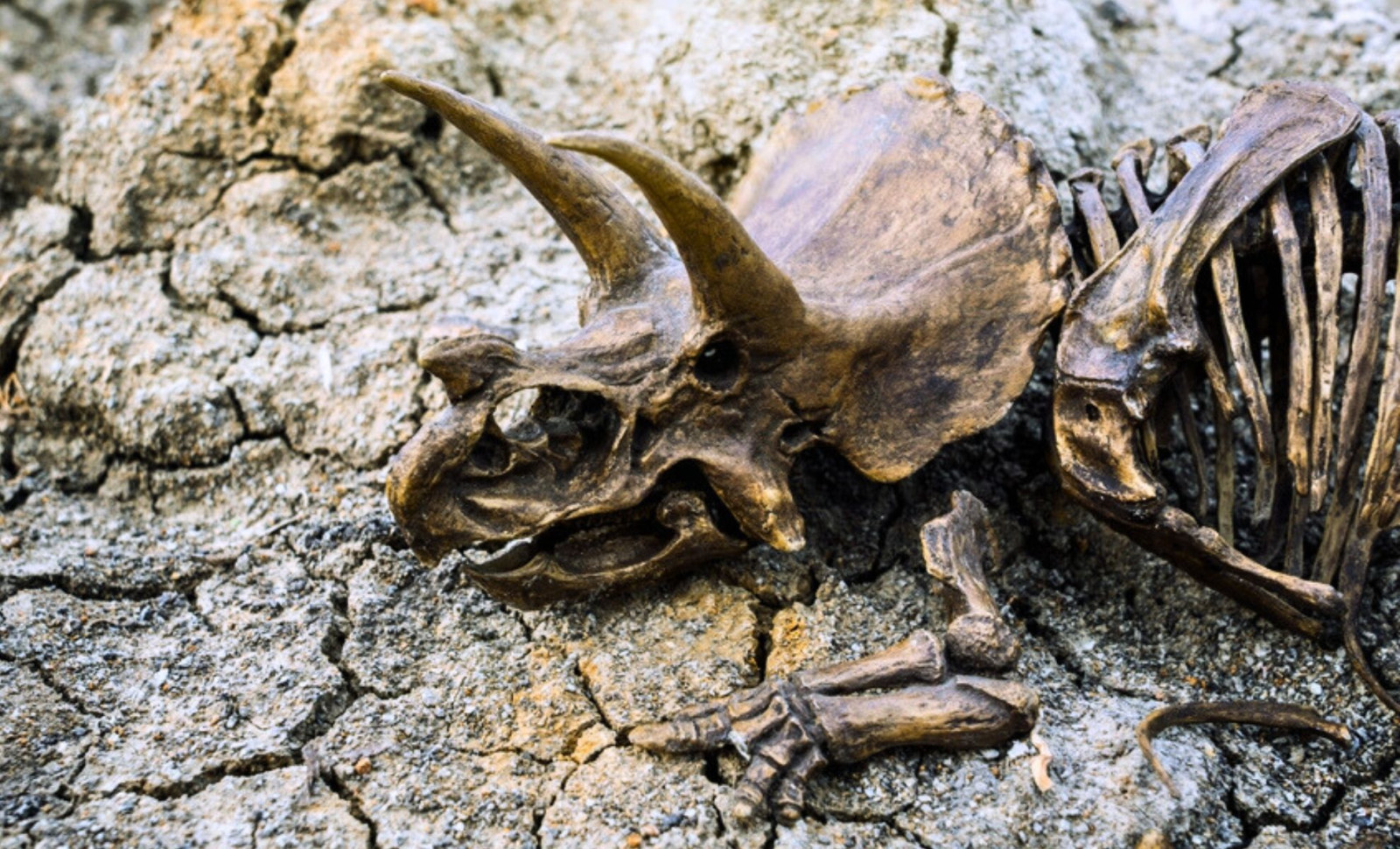
In a Romanian region famed more for legends than scientific breakthroughs, an extraordinary fossil trove has surfaced, offering one of Europe’s clearest glimpses into ancient life. Located within Transylvania's Hațeg Basin, this relatively small area is rapidly gaining recognition for its remarkable paleontological significance.
Recent digs have uncovered sedimentary layers filled with hundreds of Late Cretaceous vertebrate fossils, dating back approximately 72 million years. The sheer volume and exceptional preservation indicate ongoing natural processes that promoted fossilization rather than being the result of a single disaster.
What sets this location apart from other Late Cretaceous sites is the diverse collection of species found and the unique environmental conditions recorded. Scientists unearthed a variety of skeletal remains from dinosaurs, mammals, and reptiles all in close proximity, painting a picture of a multifaceted prehistoric ecosystem.

Remarkably Dense Fossil Concentration and State of Preservation
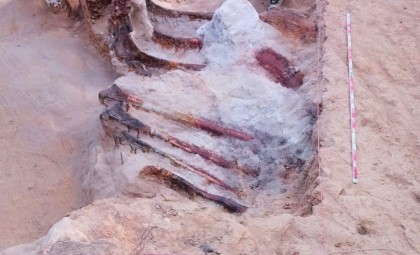
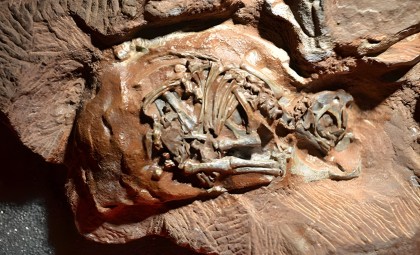
A recent 2023 report published in PLOS ONE details the discovery of over 800 fossil fragments within just five square meters. This locale was once characterized by a subtropical environment with rivers and shallow lakes. Rather than being a product of a sudden mass mortality event, sediment evidence indicates repetitive seasonal flooding that slowly accumulated bones in calm, aquatic settings.
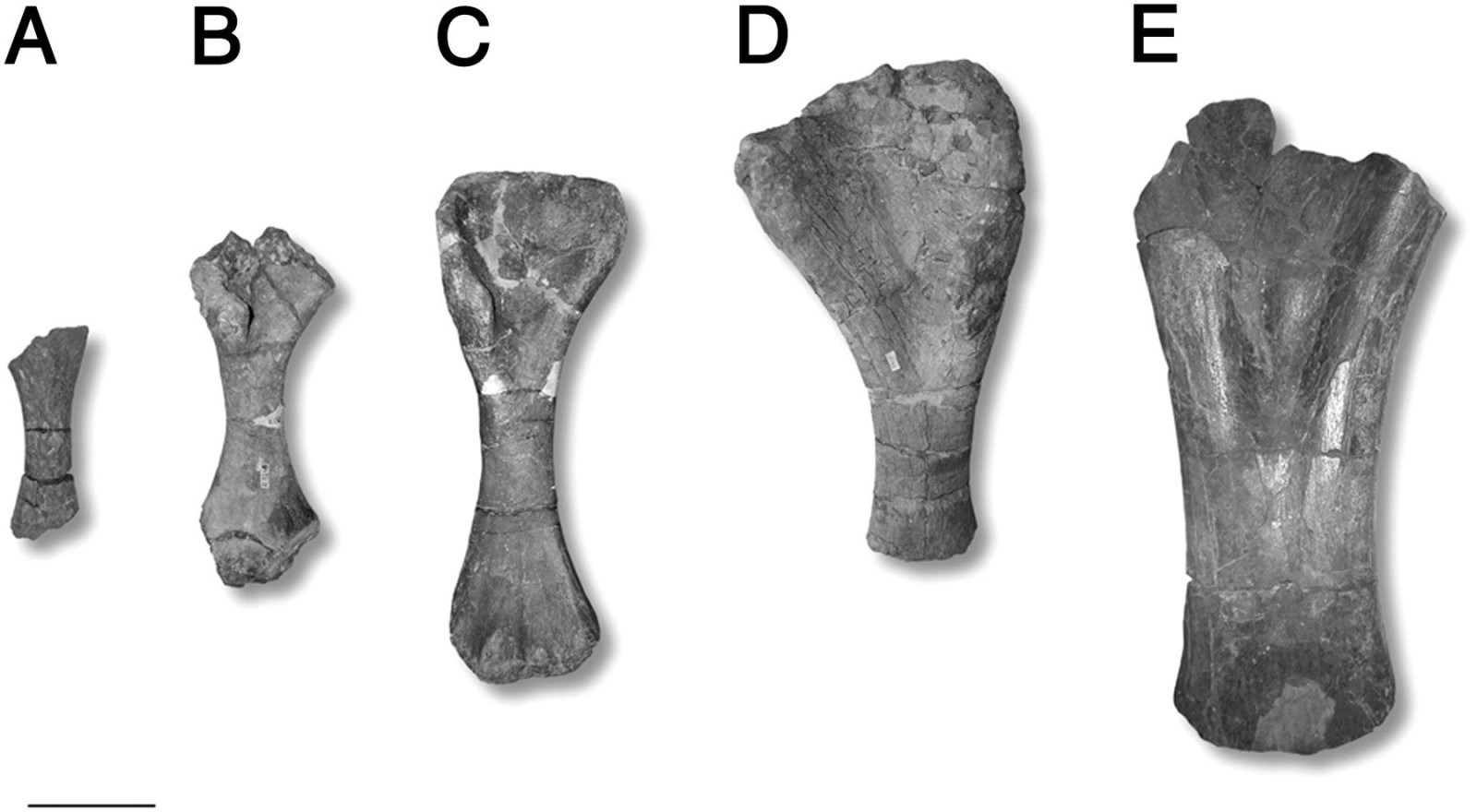
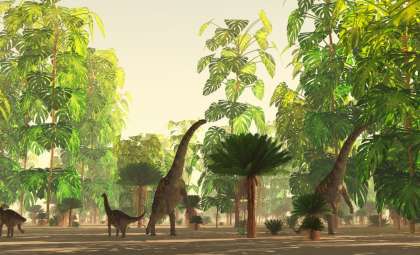
A collaborative team of Hungarian and Romanian paleontologists identified fossils from various vertebrate groups such as rhabdodontid dinosaurs, turtles, crocodilians, amphibians, and early mammals. Among the standout discoveries were remains of sauropods, large herbivorous dinosaurs known for their lengthy necks.
Investigations into fossilization methods, known as taphonomic research, helped establish how these bones were moved and deposited. By analyzing their orientation, breakage, and distribution, researchers found evidence that bones settled quietly without disruption by powerful currents or scavengers, enabling a layered and detailed fossil record.
These traits make the Hațeg site a crucial reference point for comparing Late Cretaceous fossil sites across Europe. The abundance of remains coupled with the clear depositional settings offers precious insights into ancient ecosystems of that era.
Insights into Small-Sized Sauropods and Revisiting a Classic Hypothesis
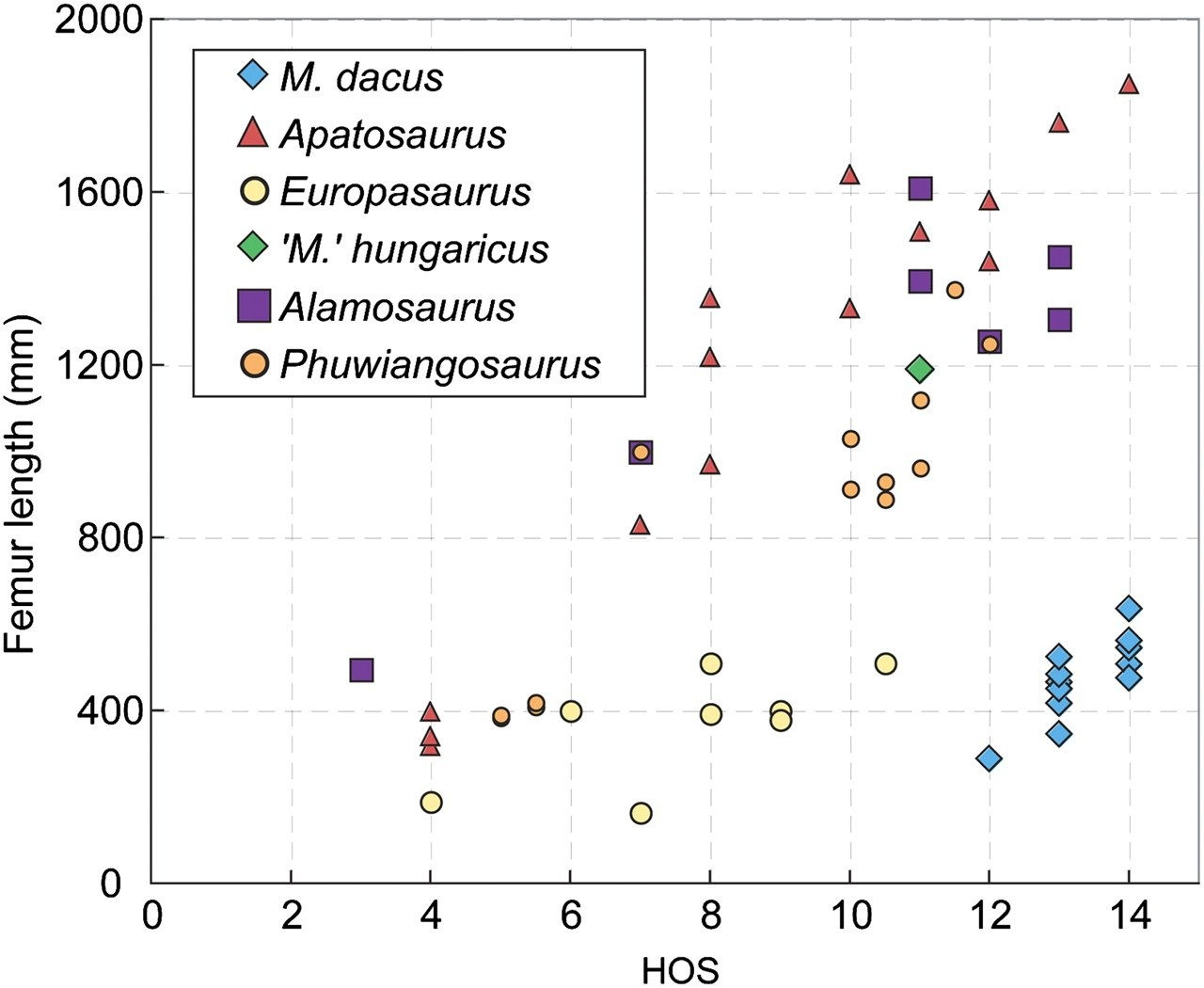
Among the dinosaur fossils found, several belong to the species Magyarosaurus dacus, initially described over one hundred years ago. This compact sauropod was discovered on Baron Franz Nopcsa’s former estate, a pioneering yet controversial early paleontologist who introduced the concept of island dwarfism to explain the dinosaur’s small size.
At the time, Nopcsa’s proposal was met with skepticism; some scientists argued the small bones were from juvenile specimens, and others doubted that such evolutionary size reduction could occur in dinosaurs. This debate endured for many years.
A 2010 investigation by the University of Bonn team published in PNAS examined bone microstructures in thin cross-sections and confirmed adult growth patterns in Magyarosaurus, firmly establishing that the species truly exhibited dwarfism.
This discovery places Magyarosaurus among other examples of island dwarfism seen in extinct species such as Mediterranean elephants and hippos. These cases highlight adaptations to confined habitats with limited food.
A Distinctive Cretaceous Island Habitat
During the Late Cretaceous, the Hațeg area likely formed part of an island chain within the Tethys Sea, isolated by marine waters from continental land. Geological evidence points to prolonged separation, fostering evolutionary pathways unique from those on the mainland.
This isolated environment with finite resources and a lack of large predators seems to have influenced trends toward smaller body sizes. The coexistence of both small and larger species in the sediment layers suggests complex ecological dynamics despite geographic confinement.
The PLOS ONE authors highlight the site's importance for examining how species adapt to environmental pressures over long periods. Its diverse fossil mix and well-preserved sediments present a rare chance to explore how biodiversity evolves under sustained constraints.
Continuing comparisons with other European fossil formations seek to determine if dwarfism was widespread regionally or specific to the Hațeg ecosystem. Current data strongly indicates that island isolation played a major role in driving evolutionary downsizing here.
- Categories:
- Science




0 comments
Sign in to Comment