
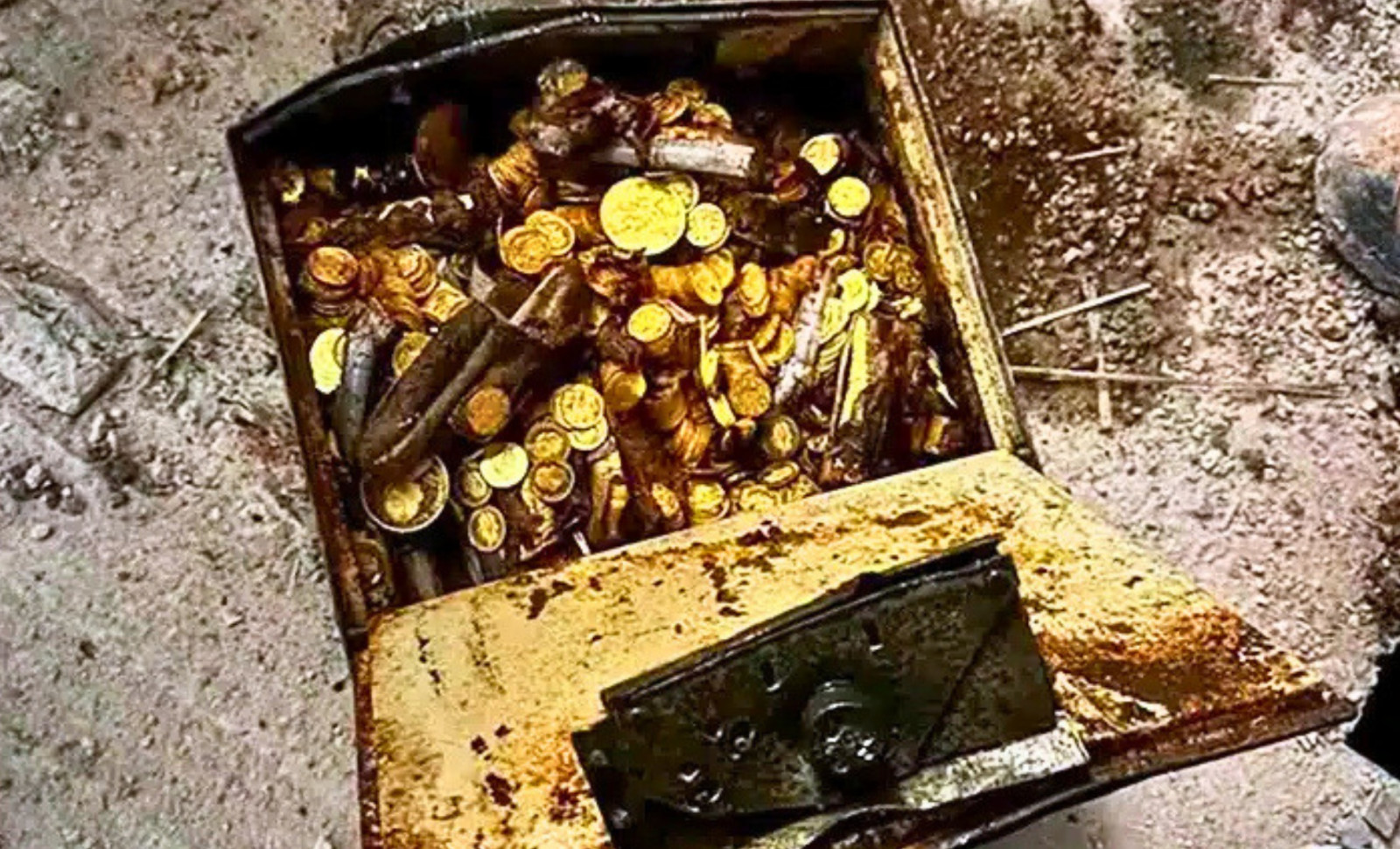
During renovation work in a Vienna villa's basement, a plumber stumbled upon an astonishing hidden treasure: a corroded metal box containing around 30 kilograms of gold coins, embedded in concrete and concealed for potentially decades. Each coin features the image of the famed composer Wolfgang Amadeus Mozart, with an estimated worth of approximately 2.3 million euros, or about $2.4 million.
The discovery occurred when the plumber noticed a rope sticking out from the basement floor. After pulling on it and finding it immovable, he broke through the concrete to find the chest secured beneath. Without his curiosity, this treasure would likely have remained buried indefinitely.
The scoop, initially unveiled by Austrian news outlet Heute, has since captured global interest, igniting debates over ownership rights under Austrian law.

One Rope, Two Choices, Vastly Different Results
Interestingly, the rope had been spotted a day earlier by a construction worker named Tobias, who chose to disregard it. His friend Armin told Heute that Tobias’s decision would cost him, as the legal finder’s rights in Austria favor the person who discovers and claims the object—in this case, the plumber.
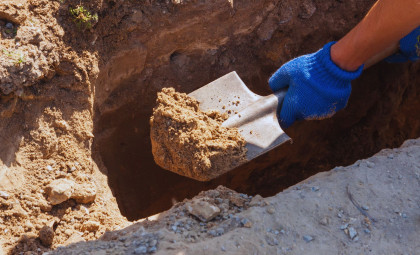
When the plumber arrived the next day, his attention was drawn to the same rope. After testing its resistance, he used a shovel to break the concrete and retrieved the metal container fixed beneath the floor. The fortress-like placement suggested the chest was intentionally sealed away to remain hidden. Inside lay the gold coins bearing Mozart’s likeness, weighing about 30 kilograms altogether.
Insights from the Mozart-Imprinted Gold Coins
The coins provide vital historical clues. Mozart’s image appeared on Austrian schilling and commemorative coins that ceased production after Austria’s annexation by Germany in 1938. This indicates the treasure was likely concealed before or during the early years of World War II, a time when affluent Austrians often hid valuables amid political unrest.
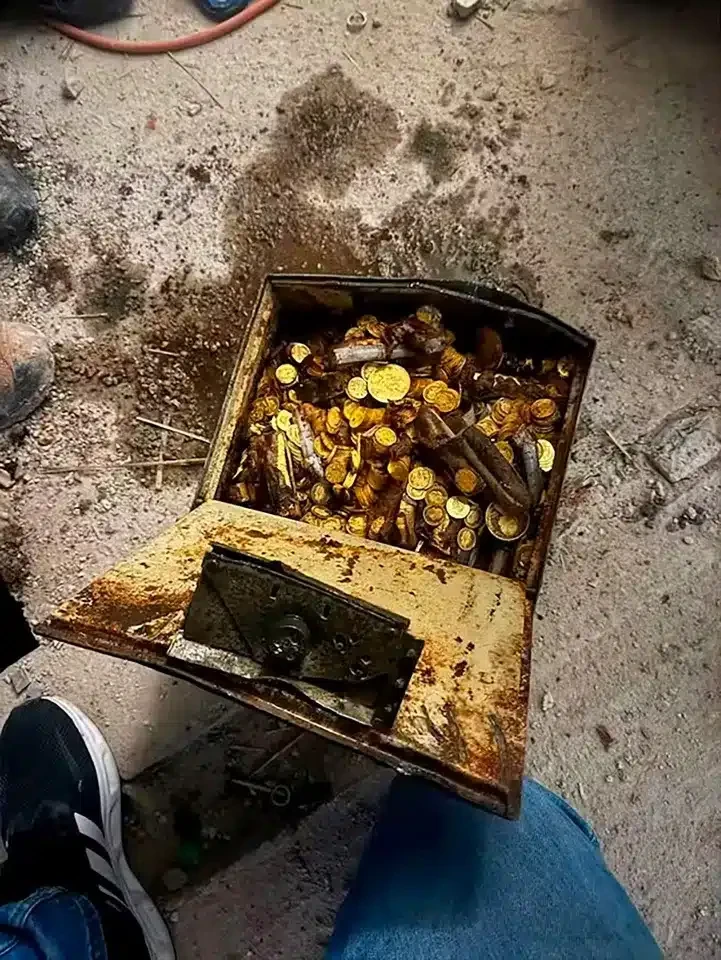
The exact minting dates and denominations remain undisclosed. However, the coins were deliberately secured inside a chest and embedded in the floor structure, signifying an intent for long-term concealment by a previous Penzing villa occupant.
Armin shared with Heute, “It’s unbelievable. I’ve been working on construction sites since I was 15, and while small coin finds happen occasionally, uncovering something of this magnitude is extraordinary.”
How Austrian Law Determines Treasure Ownership
According to the Austrian Civil Code (sections 398 and following), when valuables with an unknown owner are found, ownership is legally classified as a treasure. The law generally splits the find: half goes to the finder and half to the property owner. The state does not automatically claim full possession, meaning the plumber could possibly receive a share worth over one million euros.
However, this outcome is not definite. Austrian regulations require that accidental finds be immediately reported to district authorities or the police, who then alert the Federal Monuments Office. This agency assesses whether the items qualify as protected cultural heritage, which could impose additional limitations, though the basic division between finder and property owner typically remains.
As noted by Popular Mechanics, no legal dispute from the villa’s owner had been filed at publication time. The gold currently stays in government custody pending further assessment.
Next Steps for the Mozart Coin Treasure
The Federal Monuments Office's evaluation will decide if the Mozart gold collection qualifies for Austria’s heritage protection system. Even if deemed cultural property, it's unlikely the state will retain the entire hoard, given the civil code’s measures for valuables with untraceable original owners.
The identities of the plumber and the property owner remain confidential, and detailed information about the coins’ denominations and mint years has yet to be released, leaving aspects of this historic find shrouded in mystery.
What is clear is that the chest was embedded long before Austria's 1938 annexation during World War II and remained untouched for over eight decades through multiple renovations and ownership changes. The final ruling on the legal distribution of this remarkable find is still awaited from Austrian officials.
- Categories:
- News





0 comments
Sign in to Comment