
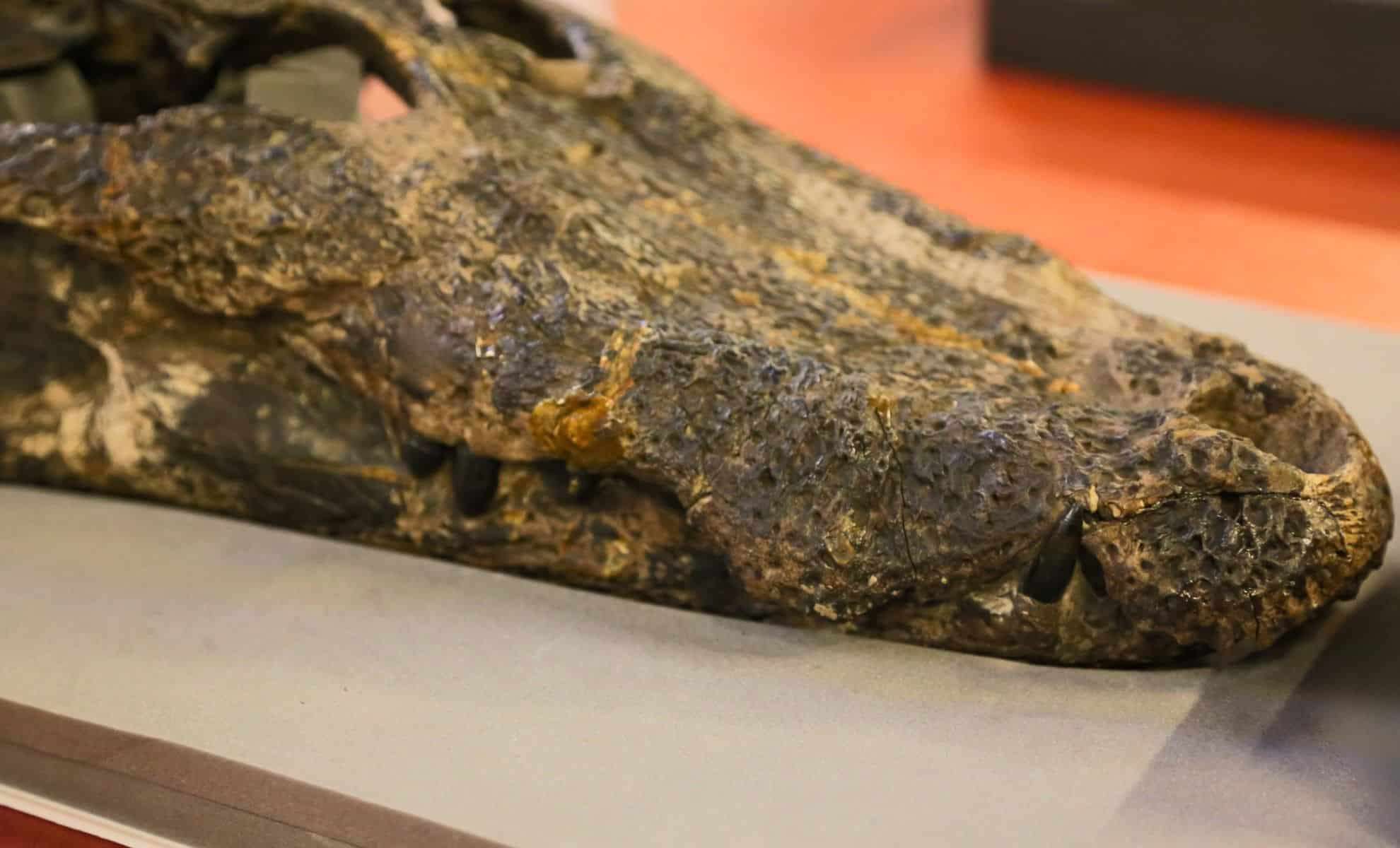
Recent research published in Historical Biology highlights an extraordinary fossil find in Vienna that challenges current perspectives on ancient European reptiles. Experts have uncovered a 12.2-million-year-old fossilized skin plate confirming that alligators lingered in Europe one million years beyond what was previously documented.
Unraveling a Century-Old Fossil Mystery
A fossil plate, stored for more than a hundred years in the Natural History Museum in Vienna and once misclassified as a turtle shell, has been reexamined by vertebrate paleontologist Ursula Göhlich, revealing surprising new insights.
The plate’s distinctive rectangular form combined with deep pits is inconsistent with any turtle species known to science. Instead, its features resemble the dermal armor of alligators. Further evaluation identified it as part of the crocodilian genus Diplocynodon, which inhabited wetland regions of prehistoric Europe.

This fossil was discovered in the northwestern Vienna neighborhood of Hernals, an area famous for 19th-century fossil digs in clay pits yielding marine creatures such as seals, dolphins, and sea turtles. The presence of an alligator fossil here implies that freshwater reptiles were likely transported to the ocean environment by rivers or flood events.
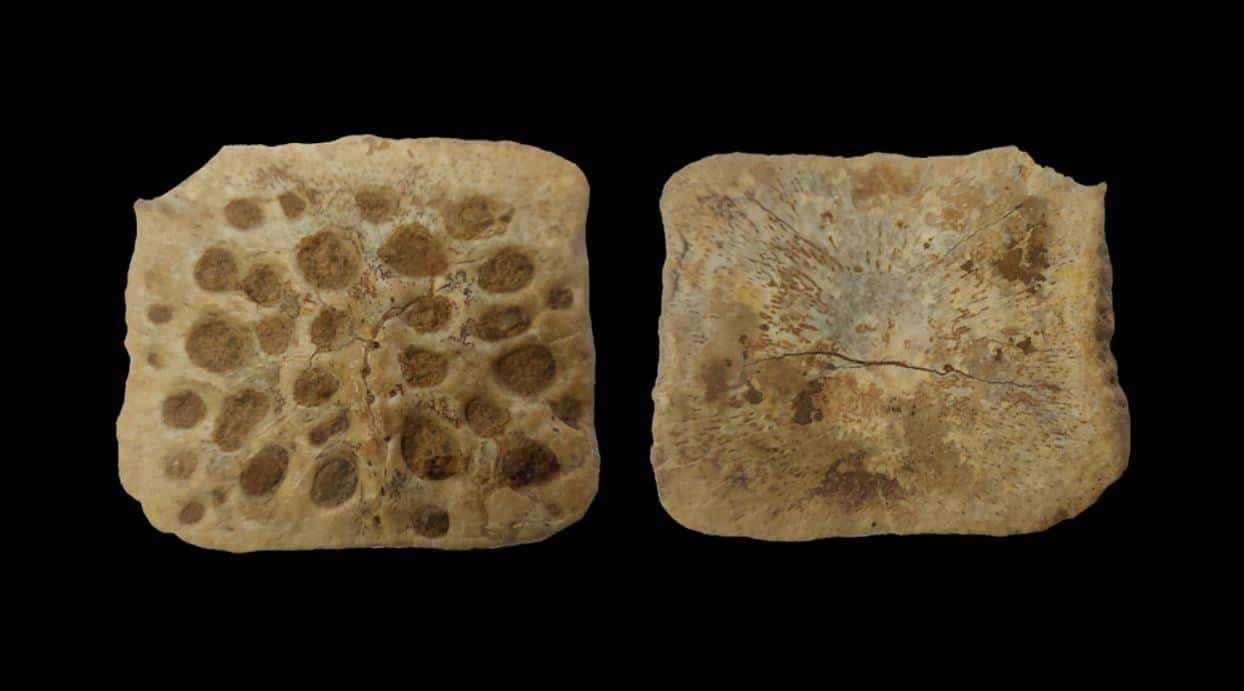
Europe's Final Alligator Fossil Revealed
The most striking aspect of this finding is its timeline. Earlier studies placed the disappearance of European alligators at roughly 13.6 million years ago, a period linked to global cooling events. However, this newly identified Diplocynodon specimen dates back to 12.2 million years ago, indicating these crocodilians endured far longer than once believed.
This represents the most recent alligator fossil discovered in Central Europe, significantly revising the known extinction date for these reptiles. The discovery raises critical questions: since alligators persisted despite diminishing temperatures, factors beyond climate cooling likely influenced their eventual extinction.
Could Drought, Not Cooling, Have Ended Europe's Alligators?
Prevailing theories attributed crocodilian extinction in Europe during the Miocene to declining CO₂ levels and dropping temperatures. The prolonged survival of Diplocynodon challenges this assumption.
Modern alligators, like the American alligator, tolerate near-freezing environments through brumation, resting underwater with minimal exposure to air. If Diplocynodon shared this adaptation, it could have coped with cooling conditions for longer than anticipated.
Scientists now hypothesize that severe droughts, which struck Europe around 12 million years ago, may have been the primary extinction driver. These dry spells drastically reduced the wetlands and swamp habitats vital for Diplocynodon’s survival, leading to their disappearance as rivers and marshes vanished.
Reimagining Europe's Ancient Subtropical Habitats
To grasp why alligators once flourished in Europe, we must look back approximately 12 million years when Central and Eastern Europe formed a subtropical island chain within the expansive Paratethys Sea. This warm inland sea extended from present-day Austria across to Kazakhstan.
These swamp-rich islands supported diverse wildlife, including seals, dolphins, turtles, and early mammals. Diplocynodon was among the apex predators in this environment, preying on fish, birds, and small mammals along gentle rivers and coastal wetlands.
As the Paratethys Sea receded and landscapes transformed, many species, such as alligators, ultimately vanished. The new fossil from Vienna provides the final fossil record of these crocodilian inhabitants in Europe, indicating they outlived previous estimations before extinction.
- Categories:
- Science








0 comments
Sign in to Comment