
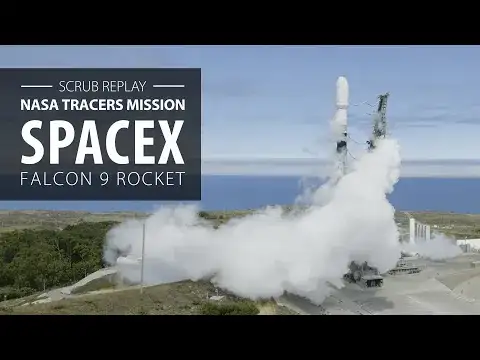
NASA's TRACERS (Tandem Reconnection and Cusp Electrodynamics Reconnaissance Satellites) mission, designed to explore Earth's magnetic environment, faced an unforeseen obstacle on July 22, 2025. The launch, planned from Vandenberg Space Force Base using SpaceX’s Falcon 9 rocket, was halted moments before liftoff due to complications involving restricted airspace. Spaceflight Now provided extensive coverage of the incident, which was traced back to a regional blackout affecting communications infrastructure at the Los Angeles Air Route Traffic Control Center. This center oversees air traffic management across the Pacific, and its temporary shutdown prompted the Federal Aviation Administration (FAA) to delay the launch until July 23, 2025. The TRACERS mission, focused on investigating the interactions between solar wind and Earth's magnetosphere, remains a vital effort to improve our knowledge of space weather and its influence on Earth's technology and environment.
Power Failure Behind Launch Delay
The launch postponement of the TRACERS mission was caused by a sudden loss of communication triggered by a widespread power outage in the Santa Barbara region. An FAA representative stated, “A regional power outage in the Santa Barbara area disrupted telecommunications at the Los Angeles Air Route Traffic Control Center, which manages air traffic over the Pacific Ocean.” This communication blackout resulted in an immediate halt to flight operations, including the rocket launch, prioritizing safety above all. This event highlights the susceptibility of space operations to broader infrastructure glitches, reflecting how non-space-related failures can significantly affect mission timelines and scientific progress.
Understanding TRACERS and Its Scientific Importance
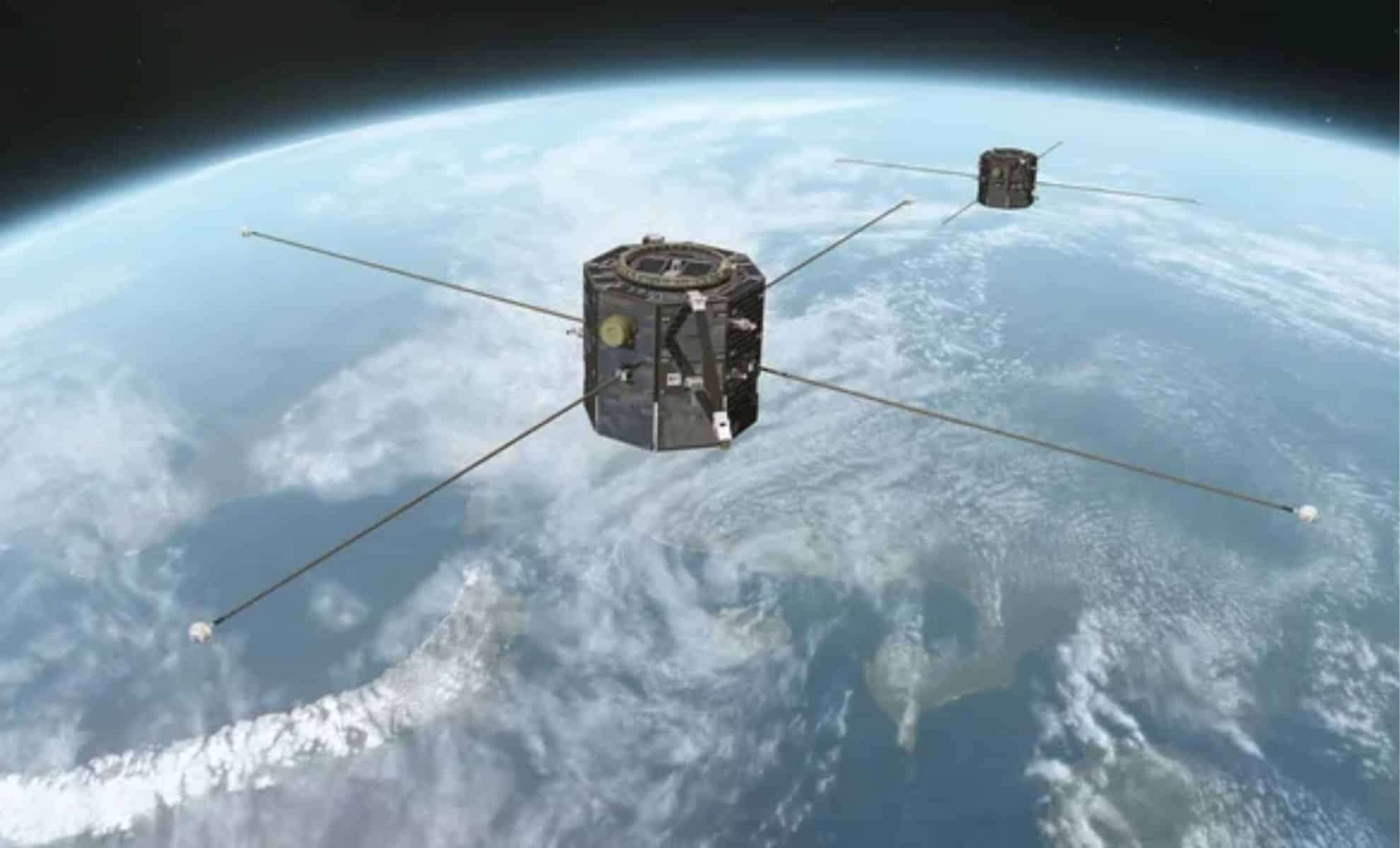
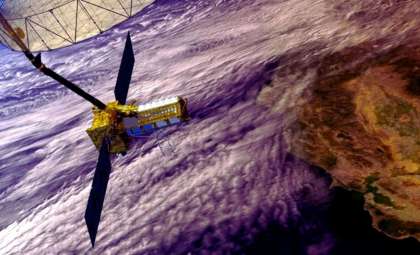
The mission centers on two satellites known as TRACERS, identical spacecraft named T1 and T2, tasked with examining the solar wind’s impact on Earth's magnetic shield. Positioned in low Earth orbit at approximately 367 miles altitude, these satellites will gather pivotal data enabling researchers to decipher the dynamics of space weather phenomena. NASA describes the mission's objective as studying a critical region where Earth’s magnetic field directs charged particles into the atmosphere. Through comparative measurements, TRACERS will track rapid changes in magnetic reconnection, a key driver of geomagnetic activity.

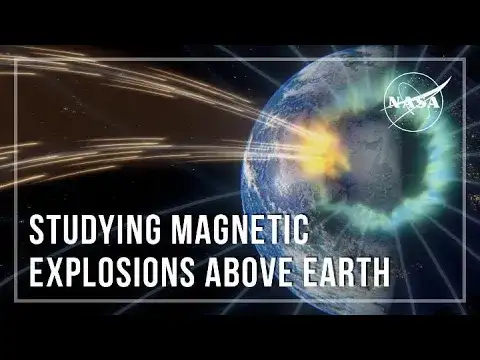
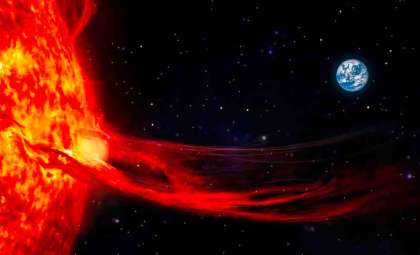
Magnetic reconnection happens when solar wind particles interact with Earth's magnetic lines, causing reconfiguration that channels particles into the atmosphere, sparking phenomena like the Northern Lights. These interactions also pose risks to technological systems such as GPS navigation, power grids, and orbiting satellites. TRACERS’ insights will be crucial for developing ways to minimize space weather’s disruptions.
How TRACERS’ Dual Satellites Enhance Space Weather Research
A unique strength of the TRACERS mission lies in its capability to perform paired measurements within close proximity in space. David Miles, the Principal Investigator of TRACERS at the University of Iowa, explained before launch, “Having two satellites side by side allows us to distinguish whether phenomena in the plasma are accelerating, decelerating, moving, or switching on and off.” This tandem approach provides an unprecedented view of the plasma conditions encompassing magnetic and electric fields, as well as charged particles. Such detailed observation is essential for capturing subtle shifts in space weather dynamics.
Orbiting in Sun-synchronous trajectories, the twin satellites will repeatedly pass through Earth’s cusp regions, where magnetic field lines open near the poles. Data from these repeated crossings will deepen our understanding of magnetic reconnection effects on the atmosphere. By synchronizing observations from two satellites, TRACERS promises to deliver new insights into the rapidly evolving environment of Earth's magnetosphere.
- Categories:
- News







0 comments
Sign in to Comment