
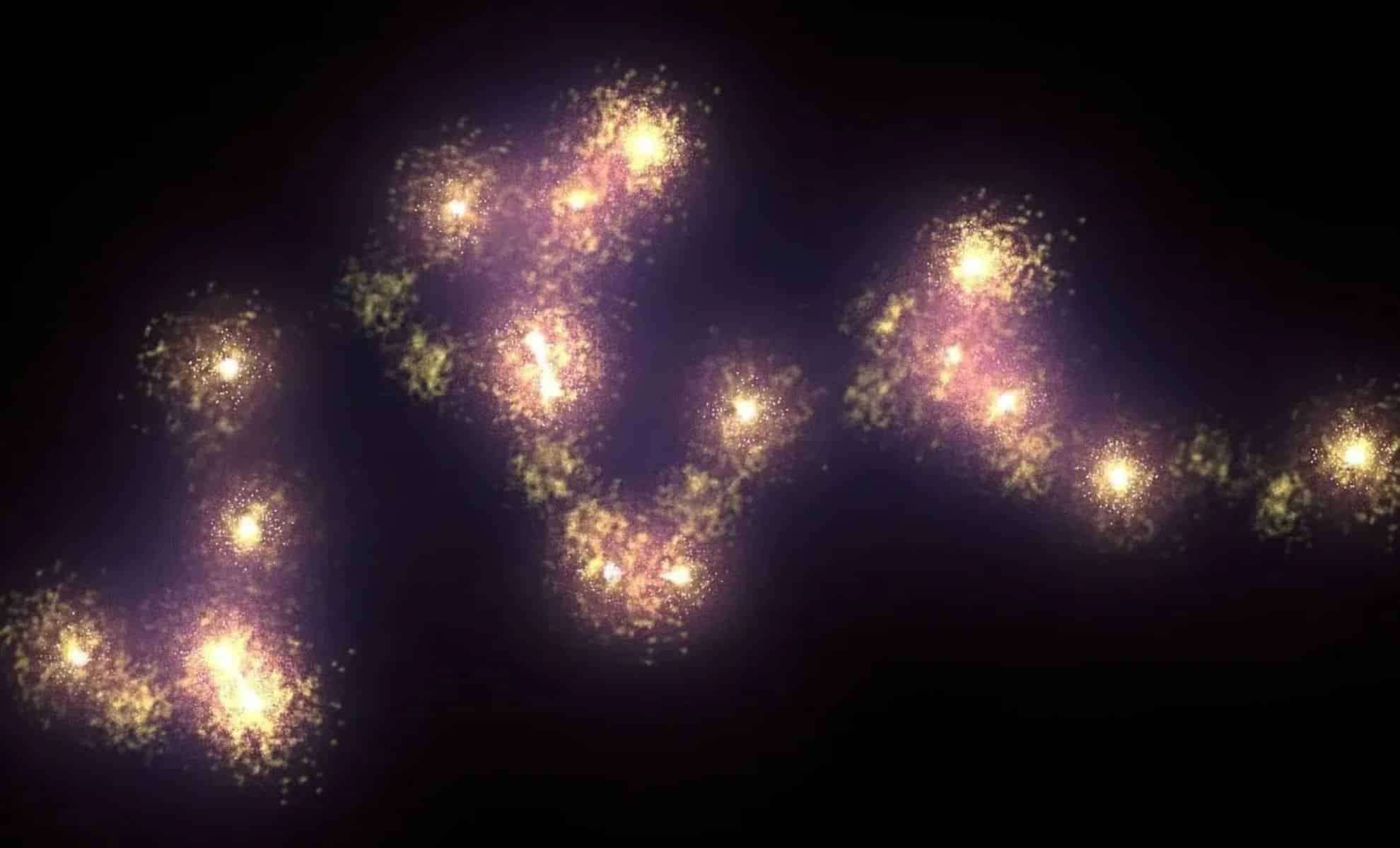
Researchers have uncovered new evidence indicating that the universe’s biggest known formation, the Hercules–Corona Borealis Great Wall, is likely more extensive than previously recorded. A recent preprint on arXiv proposes that this colossal cosmic feature could span over 10 billion light-years, surpassing earlier measurements of 9.8 billion light-years. Utilizing gamma-ray bursts—burst events releasing intense energy across vast cosmic distances—scientists have charted this enormous structure, offering fresh insight into the universe’s large-scale layout.
An Immense Cosmic Filament Beyond Expectation
This immense formation is far more than a random collection of celestial bodies. The Great Wall represents a massive filament comprising clusters and groups of galaxies, covering an extraordinary stretch of space. Discovered in 2014, it was initially assessed to extend about 9.8 billion light-years. However, new data suggests this gargantuan structure extends even further, challenging prior conceptions of cosmic architecture.
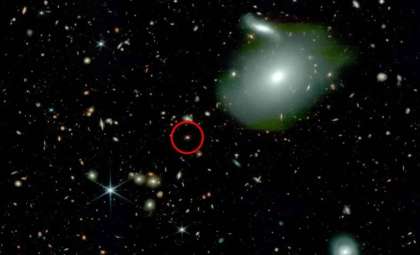
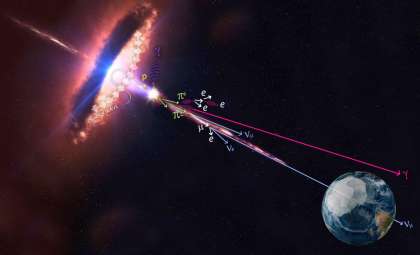
Scientists led by István Horváth from the University of Public Service in Budapest analyzed a compilation of 542 gamma-ray bursts spanning diverse redshifts to precisely map this area. Due to their extreme brightness, gamma-ray bursts serve as excellent cosmic beacons visible across immense distances. The clustering of these bursts in specific sky regions implies the colossal scale of the structure is even greater than once thought.

Revisiting Limits on Cosmic Structures
This revised size of the Hercules-Corona Borealis Great Wall pushes against current cosmological theories. Prevailing models suggest that, on very large scales, the universe is uniform and should not host structures greater than around 370 megaparsecs (approximately 1.2 billion light-years). Yet, the existence of this enormous formation vastly exceeds that threshold.
Researchers have dismissed explanations grounded in observational errors or instrument faults. Confirmed real, the Great Wall spreads across an expansive segment of the cosmos—measured in billions of light-years—making other giant formations like the Sloan Great Wall and the Giant Quasar Group appear comparatively small.
Implications for Our Cosmic Perspective
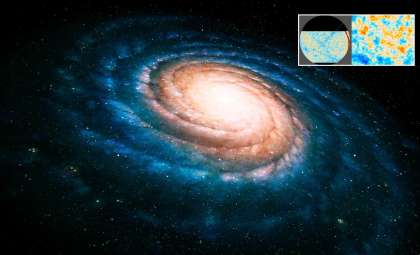
This discovery carries significant repercussions for our grasp of cosmic evolution. Should this structure indeed span such immense dimensions, it may necessitate a reassessment of the cosmological principle, which assumes the universe is largely uniform and isotropic on grand scales. The Hercules-Corona Borealis Great Wall now poses a notable challenge to this foundational concept.
Beyond its cosmological significance, this structure offers valuable clues to the processes behind galaxy formation, dark matter, and the forces that have shaped cosmic history. Gamma-ray bursts, linked to the cataclysmic deaths of massive stars, also serve as indirect indicators of star formation, enabling astronomers to investigate regions unreachable by traditional galaxy observations.
- Categories:
- News




0 comments
Sign in to Comment