
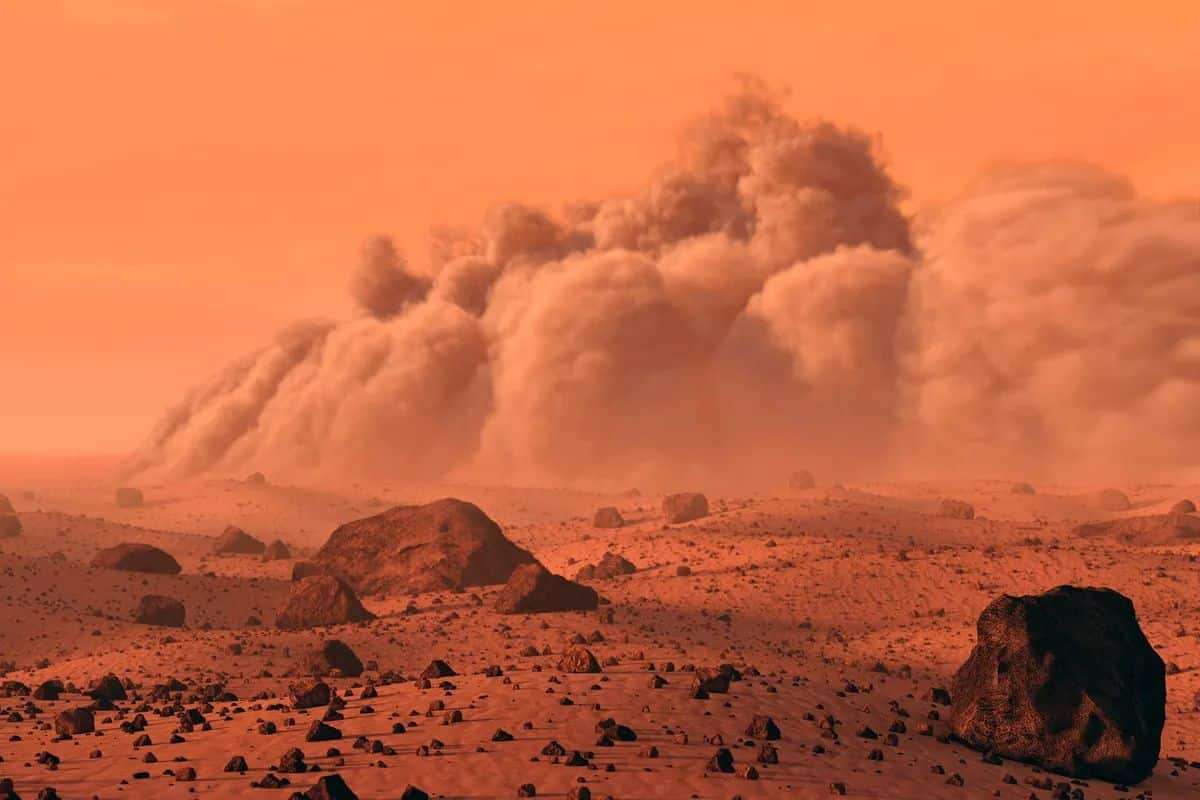
As plans for crewed missions to Mars accelerate, researchers are spotlighting a hidden peril: Martian dust. This fine, toxic debris might pose significant long-term health threats to astronauts, impacting respiratory systems, thyroid glands, and other critical organs during prolonged stays on the planet’s surface.
The Toxic Blend of Martian Surface Particles
Scientists from the University of Colorado Boulder have released the most comprehensive analysis to date concerning the hazards presented by Martian dust in the journal GeoHealth.
They found a dangerous cocktail of elements including silicates, iron oxides, beryllium, arsenic, and especially perchlorates — compounds known for their oxidative activity and potential to disrupt thyroid health. Extended inhalation could lead to lung scarring and disturb hormone regulation.
Lessons from Apollo and Unique Martian Risks
Drawing from past space exploration, Justin Wang, lead author and medical student at USC’s Keck School of Medicine, highlighted Apollo astronauts’ experiences where exposure to lunar dust caused breathing difficulties and eye discomfort.
“While dust might not be the deadliest challenge on Mars,” Wang noted, “it’s a manageable risk with the right preventive tech designed specifically for Mars missions.”

The Persistent Threat of Dust Storms and Micro-sized Particles
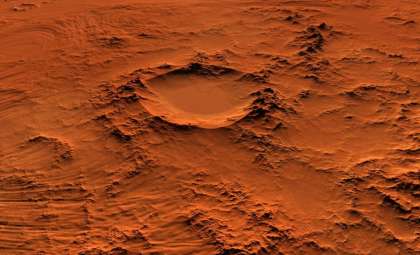
Mars’ terrain is covered with dust. Brian Hynek, geologist co-author from the Laboratory for Atmospheric and Space Physics at CU Boulder, mentioned, “Some Martian volcanoes could be buried under up to 10 meters of dust.”
“Dust accumulation on spacesuits and frequent storms are inevitable,” he added. These minuscule particles, about 3 micrometers in diameter, can evade lung defense mechanisms.
“Particles this tiny bypass mucus clearance in the lungs,” Wang explained. “Consequently, inhaled Martian dust can remain in the lungs and eventually enter the bloodstream.”
Earthly Analogues Reveal Health Risks
Components present in Martian dust resemble known hazardous materials on Earth. Silica exposure, common in industries such as mining, is linked to silicosis, a lung disease causing tissue damage and breathing issues.
Even more concerning are perchlorates, scarce on Earth but prevalent on Mars, which have the potential to impair thyroid performance and cause anemia.
Pre-Launch Strategies to Safeguard Crew Health
The researchers call for proactive measures well ahead of human missions, including iodine supplementation to protect the thyroid and advanced filtration technologies specifically engineered to trap ultra-fine Martian dust particles.
“Prevention is paramount. Just like people get health check-ups to avoid cardiac events,” Wang said, “our best defense on Mars is to prevent dust exposure completely.”
- Categories:
- Space







0 comments
Sign in to Comment