
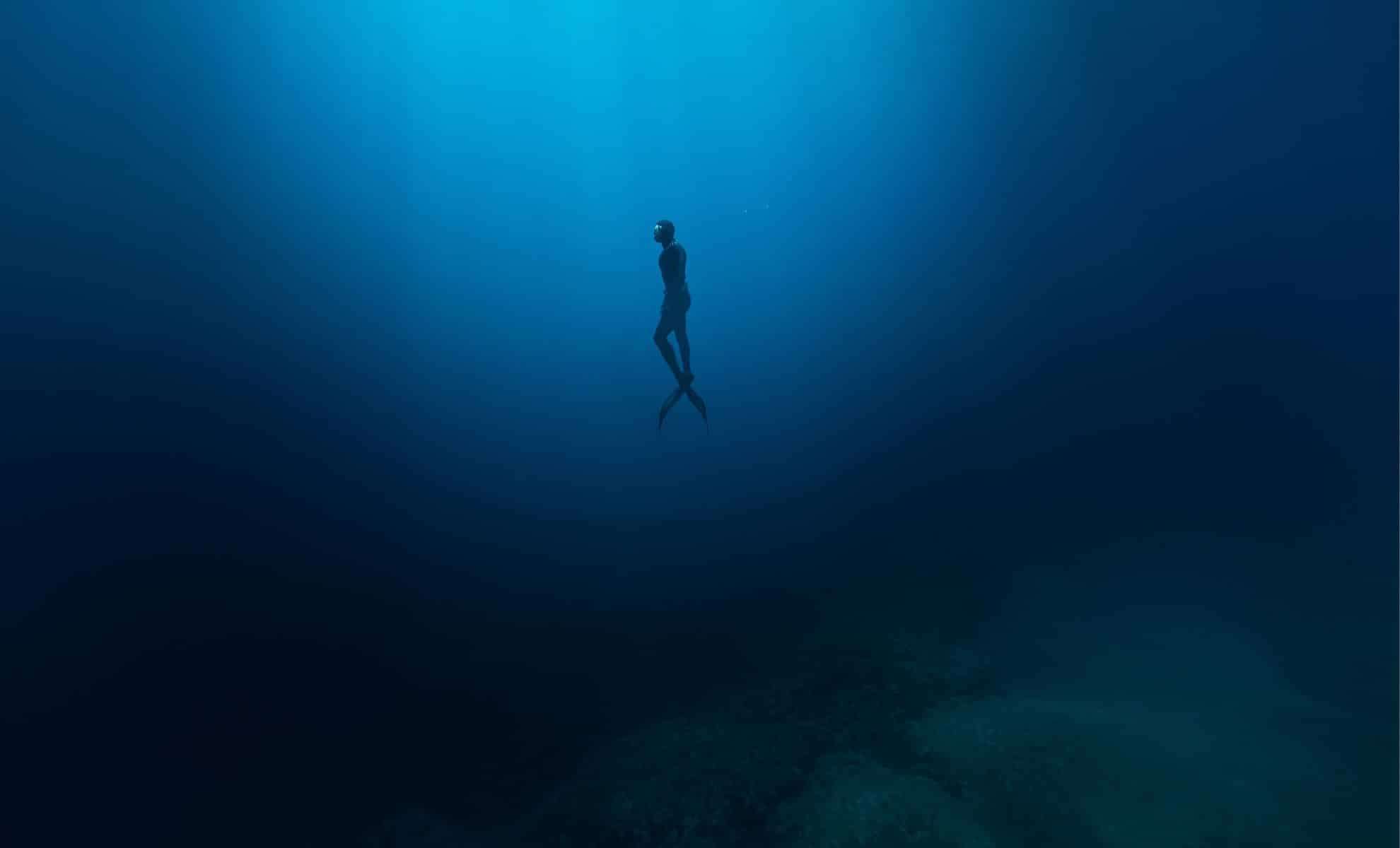
Although the deep ocean covers around two-thirds of Earth's surface, human exploration has barely scratched the surface—only about 0.001% has been examined, as reported in a Science Advances article published on May 7. To put it in perspective, the explored portion is roughly the size of Rhode Island.
The Immensity of the Ocean Exploration Challenge
These findings highlight the overwhelming challenges in studying the vast deep ocean. Since exploration began in the 1950s, only about 0.0006% to 0.001% of the seafloor in these depths has been visually mapped using current technology.
Exploration has primarily relied on visual tools such as manned submersibles, remotely operated vehicles (ROVs), autonomous underwater vehicles (AUVs), and towed camera systems. Despite these advances, the deep ocean remains largely mysterious, with data limited to a handful of specific sites worldwide.

Katy Croff Bell, leading the Ocean Discovery League, emphasizes the deep ocean’s vital role in Earth's climate regulation and ecosystems. She warns that with escalating pressures from climate change and potential resource exploitation, the lack of comprehensive ocean exploration poses serious challenges for science and environmental policy.
How the Study Was Conducted
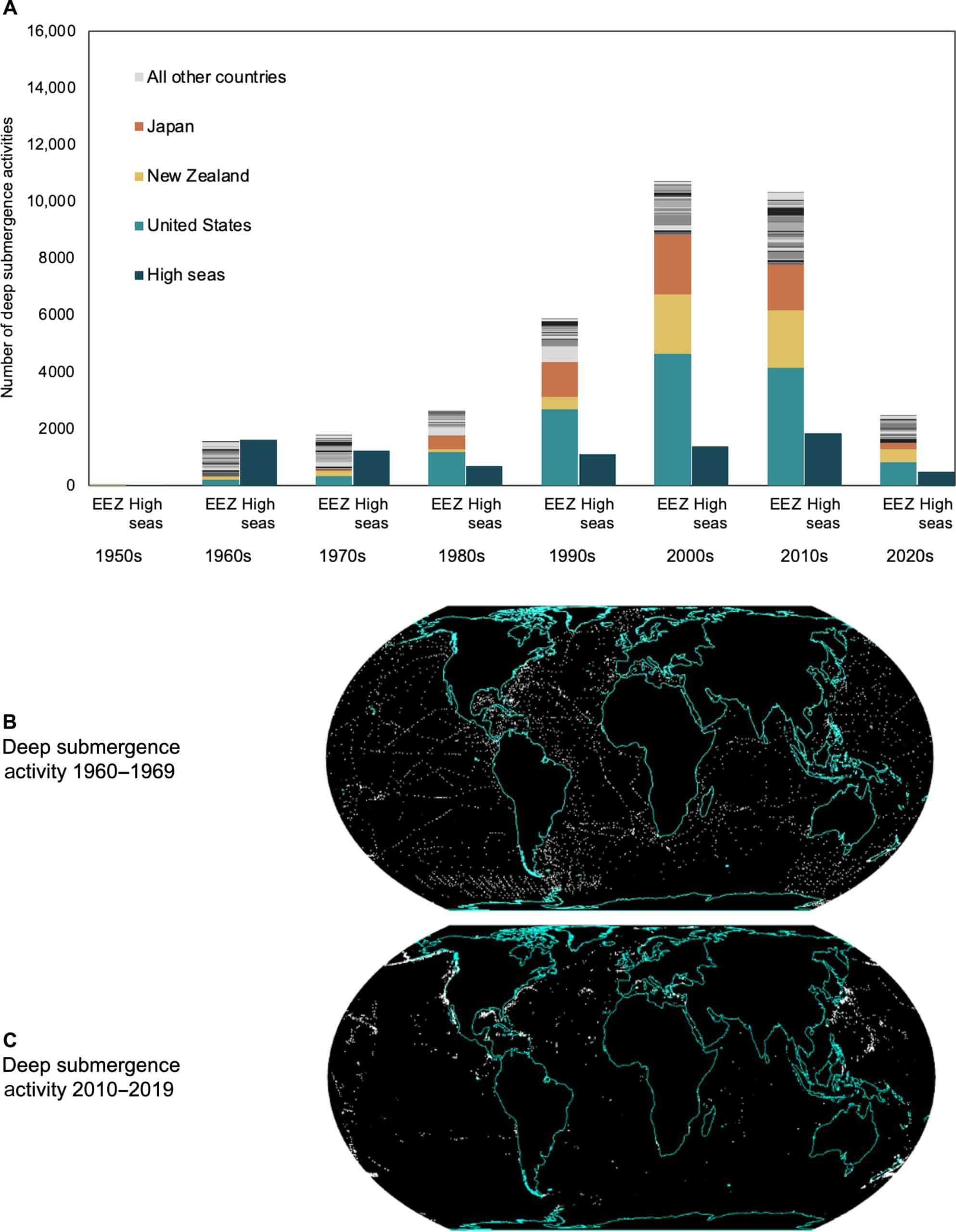
The investigators analyzed an extensive database of 43,681 documented deep-sea dives using optical imaging. Employing two distinct techniques—tracking vehicle paths and measuring time spent on the seabed—they estimated that only between 822 to 1,476 square miles (2,129 to 3,823 square kilometers) have been explored.
Despite decades of oceanic expeditions, human knowledge remains confined to small, concentrated regions. Scientists note that these estimates likely underestimate the true scale of unexplored territory in the deep ocean.
Concentration of Exploration and Regional Bias
The report reveals a significant bias in exploration locations, with about 65% of deep seafloor observations concentrated within 200 nautical miles (230 miles) of coastlines belonging primarily to the U.S., Japan, and New Zealand. This geographic focus restricts our understanding of numerous other oceanic habitats that remain unvisited.
Adding to this, 97% of all deep-sea expeditions were conducted by only five nations: the U.S., Japan, New Zealand, France, and Germany. This narrow participation underscores the importance of expanded, inclusive international efforts for studying the ocean’s depths.
The Urgent Call for Expanded Exploration
While we recognize the deep ocean's pivotal role in carbon storage, its ecosystems and inhabitants are still mostly unexplored. These depths harbor strange and often rare species that are essential to maintaining Earth's climate balance. The study suggests many novel organisms likely remain to be discovered, potentially offering invaluable scientific and medical insights.
Katy Croff Bell stresses that gaining a richer understanding of deep-sea ecosystems is essential for making informed resource management and conservation decisions.
Echoing this sentiment, Ian Miller, chief science and innovation officer at the National Geographic Society, highlights that enhanced ocean knowledge strengthens conservation efforts and safeguards our planet’s future, underlining the vital importance of deep-sea exploration.
- Categories:
- News







0 comments
Sign in to Comment