
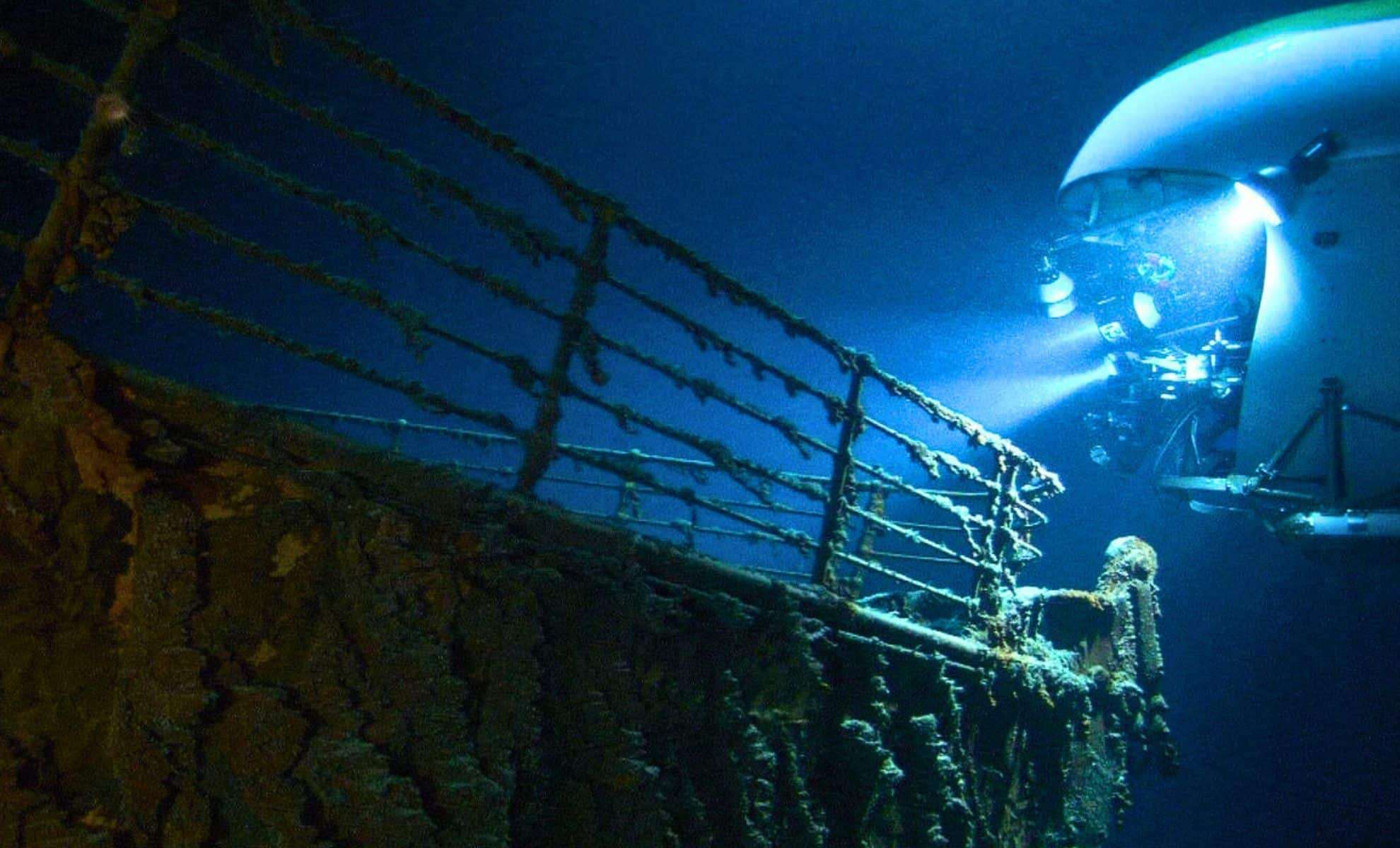
The tragic sinking of the Titanic on April 15, 1912, near Newfoundland, stands as one of the most catastrophic maritime disasters ever recorded, resulting in the deaths of more than 1,500 passengers and crew members. Even after decades of intense interest and scientific exploration, including its landmark discovery by Dr. Robert Ballard in 1985, there have been no recovered human remains at the wreck. This fact has led to much debate, but scientific and environmental insights offer a comprehensive explanation.
How the Titanic Was Found
Located roughly 370 miles (600 kilometers) southeast of Newfoundland, Canada, the Titanic rests at a staggering depth of 12,500 feet (3.81 km). Dr. Ballard's expedition utilized advanced technology for its era, such as the remotely operated submersible Argo, to pinpoint the wreck. The ship was found broken into two major sections—the bow and stern—lying apart within a debris field about 1,600 feet (487.68 meters) across.
While the team discovered haunting items like footwear, clothing, and various personal effects, no human remains were present. Ballard told NPR, “the deep sea is biologically very active. Any flesh that was there was consumed long ago.” This revelation enhanced our understanding of the stark biological conditions surrounding the wreck.

Why No Bodies Remain
Several important factors explain the absence of physical remains:
- Powerful Ocean Currents: The strong North Atlantic currents likely swept bodies away soon after the calamity. Recovery ships, including the CS Mackay-Bennett, reported discovering bodies floating miles from where the Titanic sank.
- Buoyancy Due to Lifejackets: Many victims were wearing lifejackets, which kept them afloat temporarily. However, turbulent seas scattered these bodies swiftly, and those unrecovered either decomposed or sank over time.
Environmental Conditions Affecting Preservation
The Titanic lies in an environment highly unfavorable to organic material preservation. Several phenomena contribute to why human remains are absent:
- Calcium Carbonate Compensation Depth: Past a depth of 3,000 feet (914.4 m), seawater lacks sufficient calcium carbonate to maintain bones, which slowly dissolve. Ballard has stated that under these conditions, “bones dissolve” following the consumption of soft tissues by marine creatures.
- Marine Scavengers: Various deep-sea fauna like crustaceans, fish, and bacteria rapidly break down any organic remains. Even in cold, deep waters, decomposition is hastened by these scavengers.
- Ship’s Structural Breakdown: Over time, the Titanic has suffered massive deterioration due to high water pressure and corrosive saltwater, diminishing the chance of remains being preserved in sealed compartments.
How Other Shipwrecks Compare
In contrast, skeletal remains have been recovered from historical wrecks like the Mary Rose (1545) and the Vasa (1628). These vessels sank under environmental conditions more favorable to preservation:
Such examples highlight the harsh and unique challenges the Titanic’s site presents for preservation.
Could Remains Survive in Sealed Sections?
Some researchers believe that certain intact, enclosed areas of the ship—such as the engine room or specific lower decks—might still contain preserved remains due to isolation from scavengers and oxygenated waters. However, Ballard cautions that after more than 111 years, the enormous water pressure and the wreck’s gradual collapse make survival in these areas improbable.
The Titanic’s Lasting Impact
Even without any recovered human remains, the Titanic site endures as a moving tribute to those lost. The multitude of artifacts discovered, from dinnerware to personal belongings like shoes, maintains a tangible link to the tragedy’s victims. The wreck functions as a solemn underwater memorial, bearing witness to the devastating consequences of overconfidence and preserving the story of the famed ship once believed to be “unsinkable.”

- Categories:
- News











0 comments
Sign in to Comment