
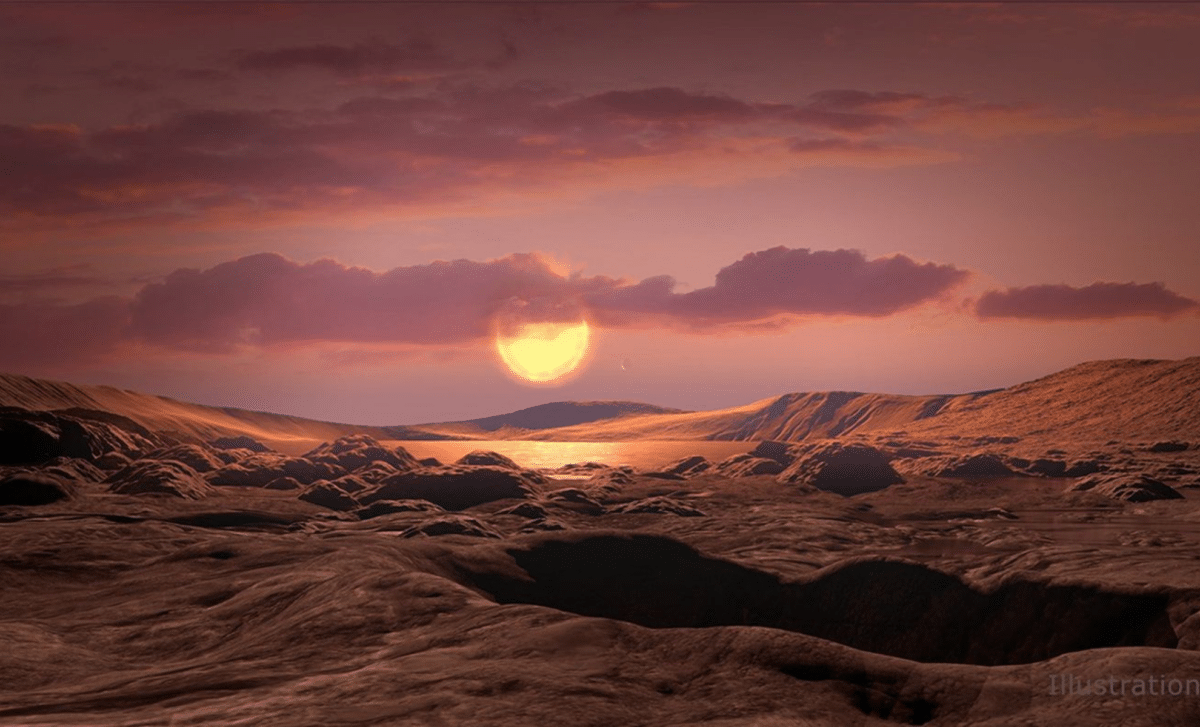
For many years, researchers have examined the cosmos and planetary terrains seeking signs that life could exist beyond our own planet. Recent findings, featured in Nature and covered by National Geographic, indicate that the quest for biosignatures — chemical markers potentially linked to life — is evolving rapidly. Planets like Venus and Mars, once considered lifeless, have regained prominence in this exciting exploration.
Broadening Our Understanding of Life’s Chemical Indicators
What differentiates living chemistry from non-living planetary processes? Scientists now realize this distinction might be more nuanced than previously believed. “Biological chemistry is essentially an extension of non-biological chemistry,” explains Sean McMahon, an astrobiologist heading the Planetary Paleobiology Group at the University of Edinburgh.
This perspective shifts how organic compounds, isotopic measurements, and mineral structures found on other planets are analyzed. Previously, specific carbon-based molecules were considered definitive clues to life, but research reveals similar patterns can emerge from purely natural geological or chemical activity. The key is understanding where these boundaries overlap. According to a National Geographic report, scientists now stress the importance of considering the environmental context of these molecules, not just their presence.

Venus’s harsh atmosphere, abundant with sulfuric acid and extreme heat, has recently shown intriguing signatures of phosphine, a gas on Earth usually associated with living organisms. In contrast, Mars reveals seasonal variations of methane, adding complexity to the narrative. These findings highlight both the promise and the challenge inherent to detecting life beyond Earth.
Technological Advances Driving Exploration
For many in the field of astrobiology, breakthroughs have been hindered less by theory and more by the available tools. Only recently have devices capable of isolating tiny quantities of carbon—a fundamental element of life as recognized on Earth—come into reach. “Waiting for instruments with sufficient sensitivity was a long journey,” recalls Barbara Westall, a geobiologist who studies ancient Earth fossils and meteorites. “Finally, we achieved the crucial measurements we've been striving for.”
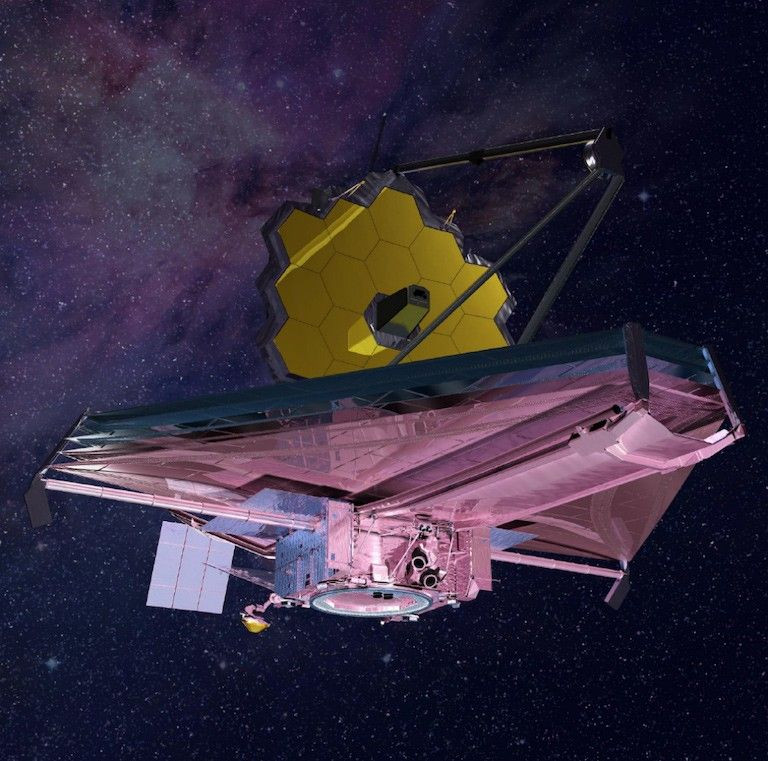
This technological leap has revolutionized planetary missions. The James Webb Space Telescope now probes the atmospheric compositions of exoplanets across vast distances, while NASA’s Perseverance rover performs advanced analysis on Martian rock samples using instruments more sophisticated than ever seen off-Earth. Upcoming missions like the ESA’s EnVision probe to Venus, planned for the near future, aim to closely examine Venus’s atmosphere and may settle ongoing debates about phosphine detection.
These tools not only enhance the ability to detect life’s hints but also redefine what patterns are recognizable. Signals once dismissed as ambiguity are now emerging as meaningful data, potentially transforming our knowledge of life’s cosmic presence.
Reevaluating What Qualifies as a Biosignature
Defining a biosignature involves deeper philosophical considerations than one might expect. “We seek a distinctive signal beyond a baseline, yet often, that baseline remains unknown,” says McMahon. This uncertainty colors decades of space exploration history. From the ambiguous Viking lander observations on Mars in the 1970s to modern spectral data from far-flung planets, every potential sign of life demands rigorous verification.
This challenge arises because there is a continuum between living and non-living chemical processes. On Earth and beyond, molecules involving carbon, hydrogen, and oxygen can appear nearly identical whether generated biologically or geologically. To disentangle these origins, scientists rely on contextual clues like temperature, mineral surroundings, and isotopic compositions.
The study published in Nature highlights, this methodology parallels how researchers examine ancient terrestrial rocks to uncover Earth’s pre-life chemical history. The narrative remains consistent: biology arises from non-biological chemistry. By widening definitions and honing techniques, scientists better interpret this chemical story on a planetary scale.
Looking Ahead in Our Cosmic Exploration
The revived interest in Venus and Mars marks a growing momentum within astrobiology. Instead of seeking explicit evidence like microbial fossils or DNA, scientists focus on detecting subtle indirect traces life could imprint. Upcoming missions will explore exoplanetary atmospheres to identify specific spectral signatures of oxygen, methane, and carbon dioxide—a combination potentially indicative of biological processes.
As these explorations progress, philosophical questions become integral: What might non-Earth-like life forms look like? How will we recognize unfamiliar biochemistries? Answers may come not from spectacular finds but from delicate chemical hints traversing the vast distances of space.
Summing up, McMahon emphasizes the subtle connection: “biological chemistry springs from non-biological chemistry.” This continuum, linking the ancient history of Earth to the environments of Venus and Mars, offers the most promising clue in understanding life beyond our world.
- Categories:
- Nasa





0 comments
Sign in to Comment