
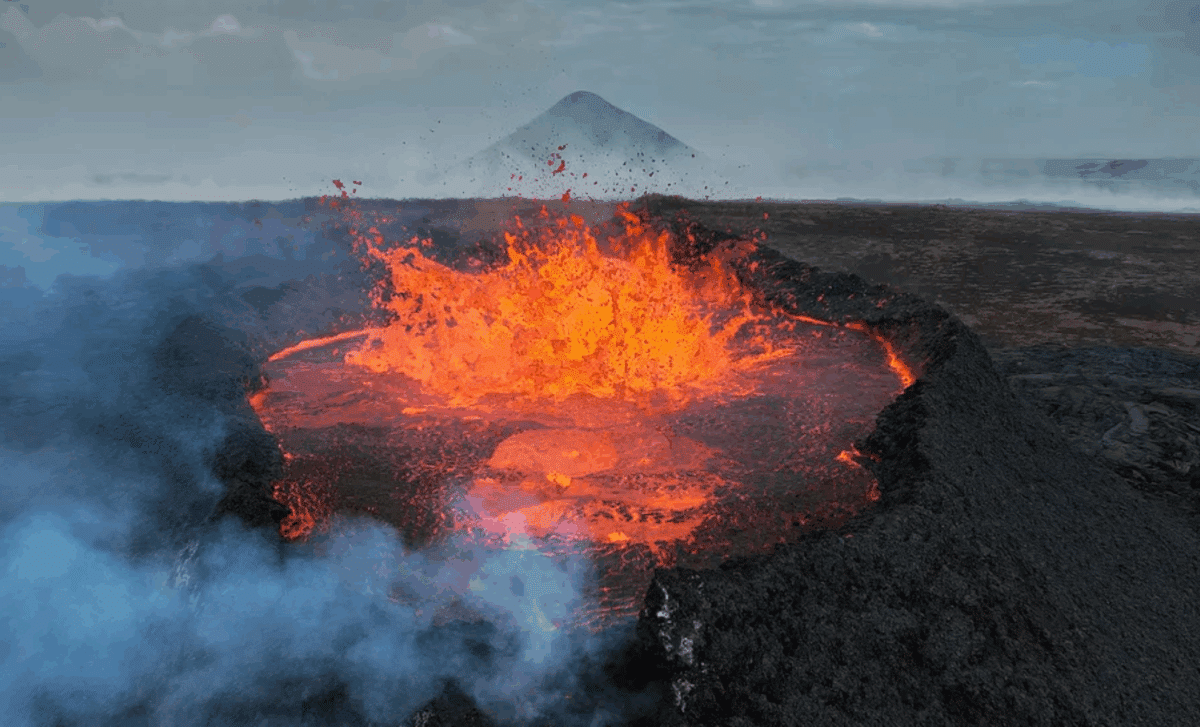
Scientists studying Greenland’s vast ice layer have identified an unusual chemical signature—a surge in platinum levels dated to approximately 12,800 years ago. While initially attributed to a possible comet or meteorite impact, recent investigations propose an alternative origin linked to volcanic eruptions, particularly those from Icelandic fissures, reshaping our understanding of this climatic mystery.
Is It an Impact Event or a Volcanic Eruption?
The discovery of a platinum anomaly back in 2013 coincided with the onset of the Younger Dryas, a period characterized by abrupt global cooling roughly 12,800 years ago. Early interpretations speculated that a massive extraterrestrial collision dispersed platinum-rich material into the atmosphere. Since space objects like comets and meteorites often carry elevated levels of platinum and iridium, they were suspected as the source of this spike.
New findings present a different explanation. As highlighted by the researchers,

“Our new research offers a much more mundane explanation: this mystery platinum signature may have originated from a volcanic fissure eruption in Iceland, not space.”
This volcanic perspective moves the discussion away from extraterrestrial cause to well-established terrestrial geology. The research indicates volcanic events might be behind the unexpected platinum concentration detected in Greenland’s ice cores.
Linking the Younger Dryas Cooling to Volcanic Processes
The Younger Dryas represents a sudden and severe decline in global temperatures following the gradual warming after the last Ice Age. In Greenland, temperatures dropped dramatically by over 15°C, pushing northern Europe back into near-glacial conditions. The cause of this rapid climatic reversal has been debated extensively, with many attributing it to massive freshwater releases from North American ice sheets disrupting oceanic circulation.
Yet, the platinum anomaly challenges this freshwater-driven hypothesis. Some scientists have suggested a colossal asteroid or comet impact might explain the spike. According to the authors of the new study,
“We propose that this icy phase in Earth’s climatic history was in fact caused either by a large volcanic eruption in Germany or by the eruption of an unknown volcano.”
This volcanic interpretation ties the platinum signature directly to eruptive activity rather than celestial impacts, suggesting massive volcanic events could have played a crucial role in initiating the Younger Dryas cooling episode.
Ruling Out Laacher See as the Platinum Source
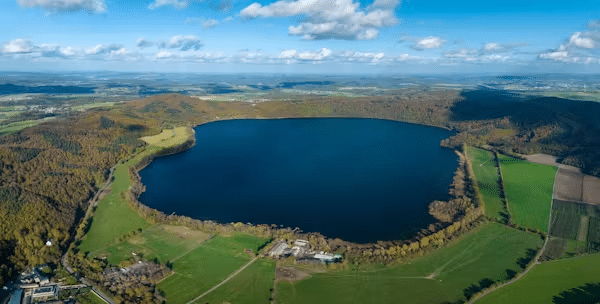
The Laacher See volcano, located in Germany, was previously suggested as a candidate source for the platinum anomaly due to its eruption roughly 12,900 years ago. However, the latest research conclusively excludes it as the origin.
“Our results were clear: the Laacher See pumices contain virtually no platinum, with concentrations below or barely at detection limits. Even though some platinum may have escaped to the atmosphere before being trapped in the rock, the eruption was clearly not the source of Greenland’s platinum spike,” the researchers stated.
This conclusion is pivotal, as it removes one significant volcanic candidate from the equation and prompts scientists to explore alternative sources for the platinum enrichment found in ice samples. While the Laacher See eruption undoubtedly influenced climate, it apparently did not contribute to the ice core platinum anomaly.
Submarine Volcanoes: A Viable Explanation
In searching for other volcanic sources, researchers analyzed geological specimens and discovered the closest match to Greenland’s ice core chemistry in volcanic gas condensates—materials produced when volcanic gases cool and solidify. Notably, submarine volcanoes emerged as the most probable contributors to the platinum signature.
The researchers stated, “We compared the ice core’s chemical signature with various other geological samples and found the closest match was with volcanic gas condensates (the products formed when gases released from a volcano cool from a gas to a liquid or solid state), particularly from submarine volcanoes.”
These underwater eruptions interact uniquely with seawater, which can absorb sulfur compounds and leave behind an elevated platinum concentration. This altered material can then be transported to Greenland and deposited within the ice sheet.
Icelandic Volcanism and Its Potential Role
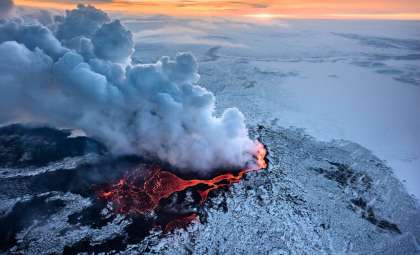
Volcanic events in Iceland provide strong evidence supporting the volcanic origin theory of the platinum enrichment. In the lead-up to the Younger Dryas, volcanic activity intensified due to the melting of surrounding ice sheets, which lessened crustal pressure and promoted fissure eruptions capable of lasting for years or even decades. This duration closely matches the approximately 14-year platinum concentration spike, favoring a prolonged volcanic source over a sudden extraterrestrial impact.
Historical Icelandic eruptions provide analogues, such as the 8th-century Katla eruption, which left a 12-year record of heavy metal spikes in Greenland’s ice, and the 10th-century Eldgjá eruption, notable for a cadmium concentration peak. These examples reinforce the notion that Iceland’s volcanic phenomena have recurrently shaped Greenland’s ice chemistry.
The Importance of Unraveling Ancient Climate Triggers
The study underscores the critical need to decode past climatic shifts. “Understanding past climate triggers is vital for anticipating what lies ahead,” the scientists emphasized. Though catastrophic asteroid impacts or major volcanic detonations are rare on yearly timescales, they are inevitable over geological periods. Examining Earth’s reactions to past disturbances enhances preparedness for future events capable of altering the global climate.
The Younger Dryas, whether ignited by volcanic activity or extraterrestrial collisions, exemplifies how swiftly Earth’s climate can alter. Continued research on previous climate disruptions will sharpen predictions about how similar incidents might influence future environmental conditions.
- Categories:
- News




0 comments
Sign in to Comment