
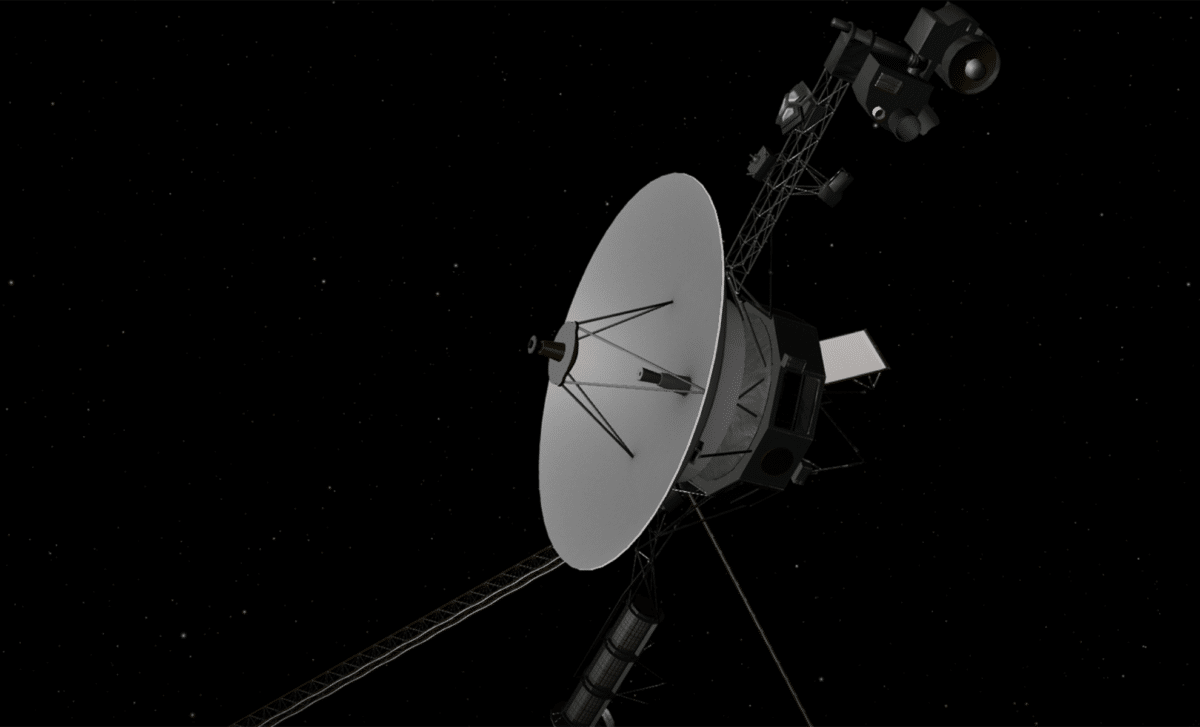
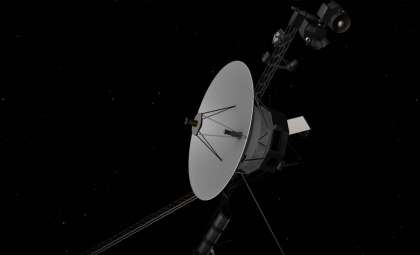
Almost five decades into their historic voyage, NASA's Voyager 1 and Voyager 2 are nearing the limits of their power capacity. However, a bold technical approach aims to keep these trailblazing spacecraft operational throughout the 2030s, offering a chance to gather even more insights from beyond our solar system.
Revolutionary "Big Bang" Operation to Boost Voyager’s Power Reserves
NASA’s Voyager probes have already exceeded their originally projected mission timelines and are functioning with just a fraction of their initial energy supply. As they continue their journey deeper into interstellar space, diminishing power availability challenges mission longevity, prompting engineers to implement creative solutions. A prominent example is the planned “Big Bang” procedure.
A NASA representative shared with Space.com that this upcoming maneuver involves disabling three devices currently preventing the freezing of thruster fuel lines, and replacing them with three alternative units. This change is expected to conserve nearly 10 watts of crucial power, extending the functional life of the spacecraft as their energy reserves continue to wane.

If successful, this strategy could postpone deactivation of key scientific instruments by at least one additional year, allowing the probes to continue collecting valuable data. Testing is scheduled for Voyager 2 in May and June 2026, with plans to apply the modification to Voyager 1 shortly after.
Addressing the Decline in Energy Supply
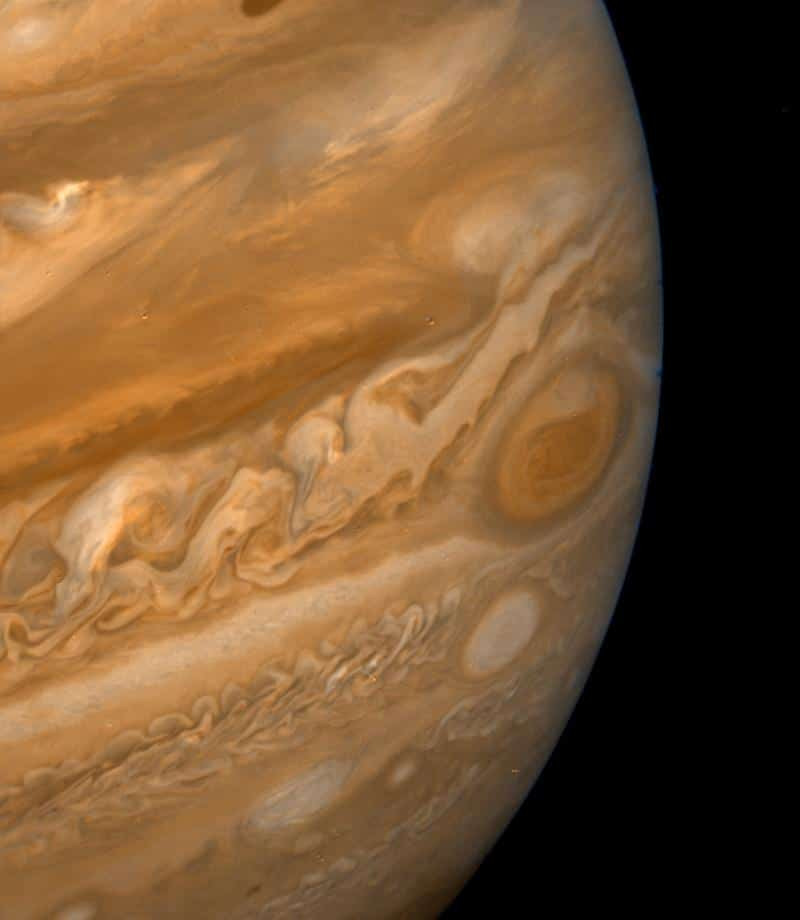
Both Voyagers were launched in 1977 with a mission focused on exploring the outer planets of our solar system. Their unexpected longevity and ability to relay interstellar data have kept them active over 40 years later. Despite this success, their radioisotope power systems steadily lose output.
Annually, the probes lose approximately four watts, leaving a very limited energy buffer for supporting onboard instruments. By 2022, mission lead Suzanne Dodd indicated each spacecraft maintained only five to six watts of surplus power, barely sustaining their operations. The transmitter, essential for communicating back to Earth, is among the highest energy consumers, requiring close to 200 watts.
To manage diminishing energy, NASA has progressively powered down select instruments. Cosmic ray detectors have already been switched off, but devices like plasma wave sensors and magnetometers continue functioning. The team constantly weighs conserving power against the goal of maximizing scientific return.
Setting Sights on 2035 and Beyond
While the “Big Bang” adjustment may provide critical additional operational time, the mission's timeline remains finite. Alan Cummings, involved in the Voyager project, clarified that although the spacecraft’s nuclear power supplies won’t completely deplete, eventually insufficient power will limit their functionality. Even so, the probes have consistently outperformed expectations by delivering important deep-space observations.
“If we got really lucky, maybe doing some operating below some thresholds, we might be able to go out to the 2030s,” Dodd said in a 2022 statement.
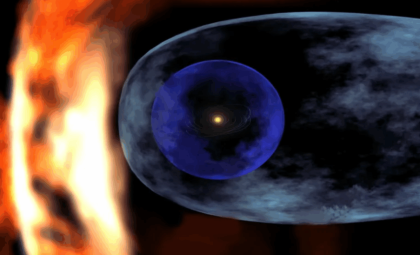
Energized by years of outstanding engineering and serendipitous circumstances, the team’s ambitious objective is to have each Voyager reach 200 astronomical units (AU) from Earth by roughly 2035. Presently, Voyager 1 is positioned at 169.8 AU, while Voyager 2 is at 143.1 AU.
Though challenging, this target reflects the mission’s history of defying forecasts. With continued careful power management and favorable conditions, the Voyagers could keep sending groundbreaking data well into the future, reaching distances once thought unattainable.
- Categories:
- Space








0 comments
Sign in to Comment