
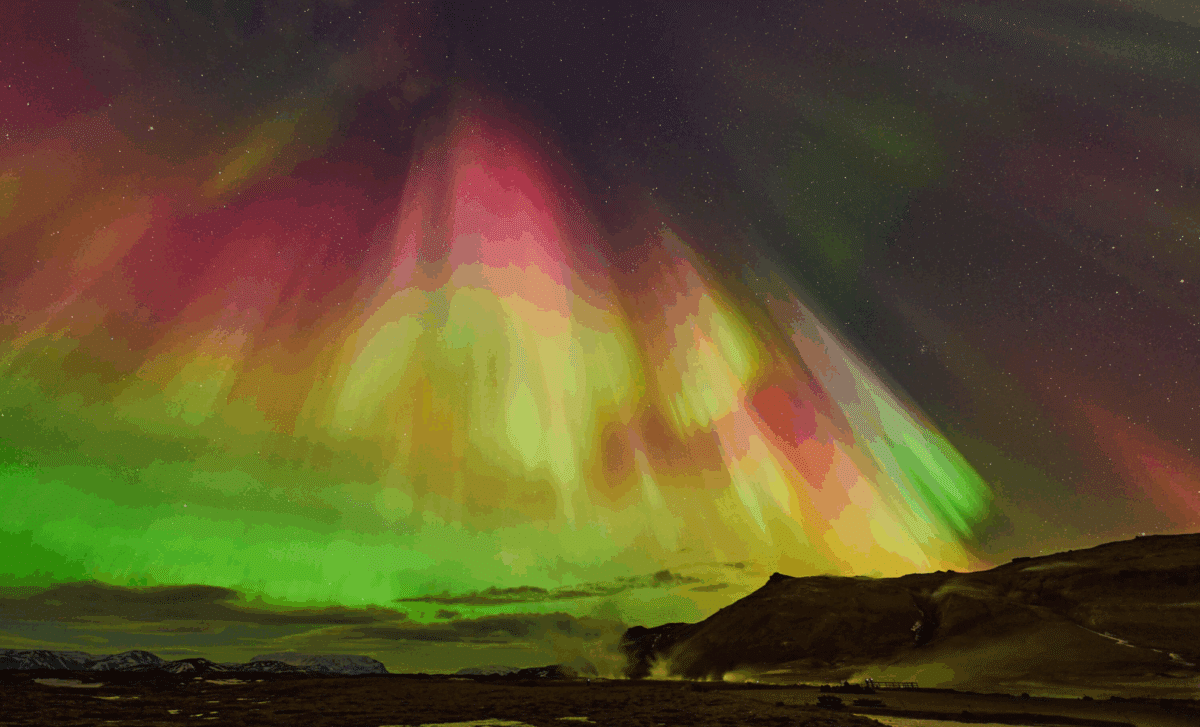
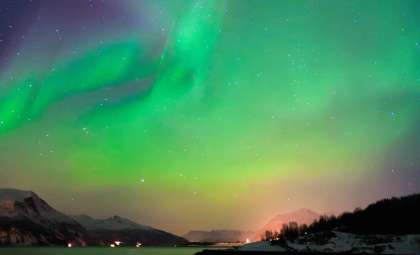
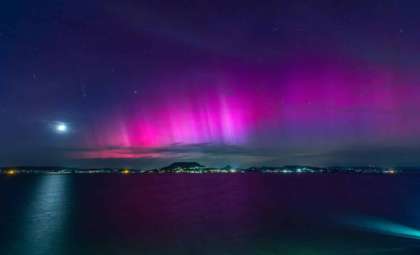
Over the next couple of years, the northern lights, also known as auroras, are expected to become more impressive thanks to the Sun entering a notably active and unstable phase in its solar cycle. According to Space.com, researchers anticipate intensified geomagnetic disturbances and more vivid auroral displays even after the Sun’s peak period of activity ends. This intriguing behavior is tied to the solar cycle, which governs space weather dynamics and influences the auroral phenomena visible on Earth. Below, we explore how the Sun’s descending phase might trigger a spectacular final surge, creating ideal conditions for aurora enthusiasts in the upcoming years.
Decoding the Sun’s Solar Cycle and Its Waning Stage
The solar cycle repeats roughly every 11 years, climaxing at the solar maximum when sunspots and solar flares peak. Following this, the Sun gradually quiets down during the solar minimum phase. However, as Space.com highlights, this slowdown doesn’t signify a simple tapering off. Solar physicist Pål Brekke emphasizes, “Aurora watchers have reason to celebrate because peak aurora activity often occurs a few years after the solar maximum. This means we can still expect several years of strong auroral displays.”
Although solar flares and eruptions decrease, long-lived coronal holes—cool, dark patches on the Sun’s surface—play a key role. These regions emit fast solar wind streams that can trigger geomagnetic storms responsible for dazzling auroras. Consequently, even with fewer solar explosions, Earth can experience enhanced auroral activity for an extended period.

Increased Geomagnetic Storms Following Solar Peak
During the solar cycle’s descending phase, Earth is more prone to geomagnetic storms. Though the frequency of solar flares diminishes after the maximum, the growth of coronal holes sustains active space weather. Space weather scientist Tamitha Skov explains, “In the decline phase, geomagnetic storm numbers actually rise. Even as solar eruptions subside, coronal holes continue forming, and combined effects lead to heightened activity at Earth.”
These storms generally aren’t as intense as peak solar flares but tend to last much longer. For aurora seekers, this means extended periods of northern lights visibility, often spanning several nights and most vivid closer to the poles.
The Sun’s ‘Final Surge’: What Lies Ahead
The term “last gasp” describes a surge of solar activity occurring within two to three years before the solar minimum. This surge is linked to complex sunspot groups emerging late in the cycle, capable of unleashing powerful solar bursts. As Skov states,
“Almost all cycles, if not every cycle… they all have these last gasps during the declining phase. Typically, the last gasp will come within about two to three years before solar minimum. So, within about the next year and a half to two years, we should see something.”
This phenomenon often triggers large geomagnetic storms that bring auroras to unusually low latitudes. The last major “last gasp” was in May 2024 during the Gannon Storm, which produced auroras visible as far south as Mexico. Should a similar event happen again, this could extend spectacular light shows into mid-latitude regions, thrilling viewers far beyond the Arctic and Antarctic circles.
Balancing Awe and Risks: Solar Flares and Technology
While the anticipated surge in solar activity promises stunning auroras, it also carries risks for modern technology. The increased geomagnetic disturbances and radiation can disrupt communications, navigation systems, and satellite operations. Skov explains,
“Spacecraft anomalies occur because they’re just bathing in this high, radioactive bath of particles that doesn’t seem to go away.” This can lead to disruptions in satellite operations, GPS signals, and radio communications.
Such conditions also threaten astronauts and space equipment by damaging electronics and hampering functionality. Despite these challenges, the eruptive solar events remind us of the immense natural forces shaping our cosmic environment and gift skywatchers with incredible auroral displays.
- Categories:
- News








0 comments
Sign in to Comment