
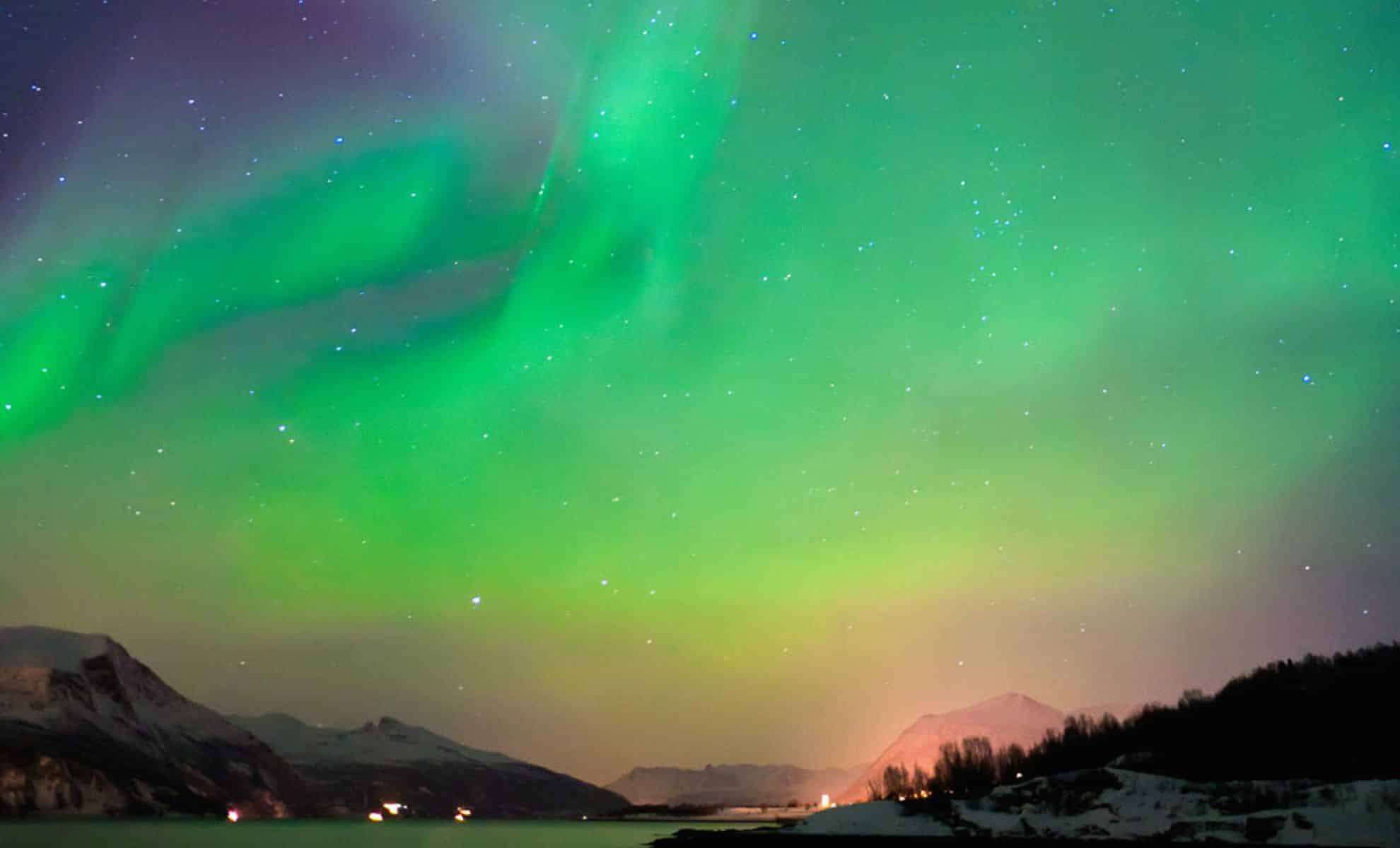
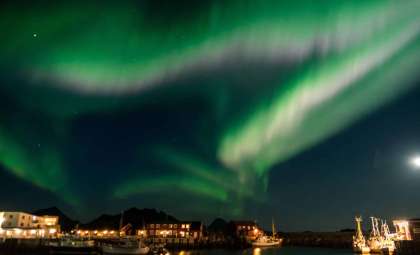
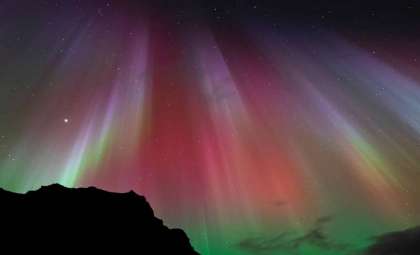
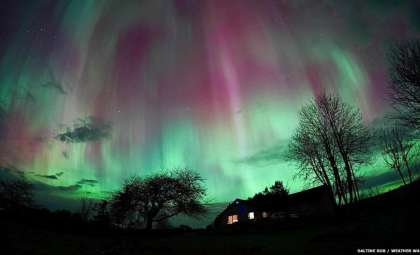
Tonight offers a remarkable opportunity for many in the United States to observe the northern lights. The Space Weather Prediction Center (SWPC) has issued a notice about increased geomagnetic disturbances, suggesting that the aurora borealis might be visible as far south as Michigan, Maine, and New Hampshire. This phenomenon is driven by a coronal mass ejection from a C5.5 solar flare that erupted on June 17, combined with rapid solar wind streaming from a coronal hole facing Earth. These factors could trigger a mild geomagnetic storm, making the period between 2 a.m. and 5 a.m. EDT (0600–0900 GMT) on June 20 the prime window for skywatchers to catch this natural light display.
States with Highest Aurora Viewing Potential Tonight
Based on the most recent NOAA report, here are the nine states most likely to witness the northern lights this evening. The list starts with Alaska, which sits closest to the auroral oval and boasts the highest chances for a vivid display. Other northern states also stand a reasonable chance, as geomagnetic activity can be unpredictable, sometimes extending viewing opportunities beyond typical boundaries.
- Alaska – Positioned near the aurora oval, locations such as Anchorage and Fairbanks are expected to enjoy strong auroral activity tonight.
- Montana – Northern Montana residents may glimpse the auroras, particularly during the late-night hours.
- North Dakota – Proximity to the auroral zone could offer North Dakota observers a chance to see shimmering skies.
- Minnesota – Northern locales like Duluth could experience visible northern lights.
- Wisconsin – Areas in northern Wisconsin, including Ashland, might catch a glimpse of the aurora.
- Michigan – The Upper Peninsula remains the best bet within Michigan for viewing the lights to the north and east.
- Maine – Northern Maine is predicted to witness some auroral activity tonight.
- Vermont – On the fringe of the aurora zone, Vermont may still have chances for sightings if conditions strengthen.
- New Hampshire – Similar to Vermont, New Hampshire could experience occasional aurora visibility.
Tips for Optimizing Your Aurora Viewing
If you find yourself within these nine states, improving your chances of seeing the northern lights involves choosing the right location and timing. Aim for spots facing north that are well removed from artificial lighting, as urban glow can obscure faint auroral glimmers. Ideal viewing times fall between 1 a.m. and 2 a.m. local time, when it’s darkest and solar activity peaks. Remember that summer nights have shorter dark periods, so patience and preparedness to stay up late are essential for the best experience.

- Categories:
- News






0 comments
Sign in to Comment