
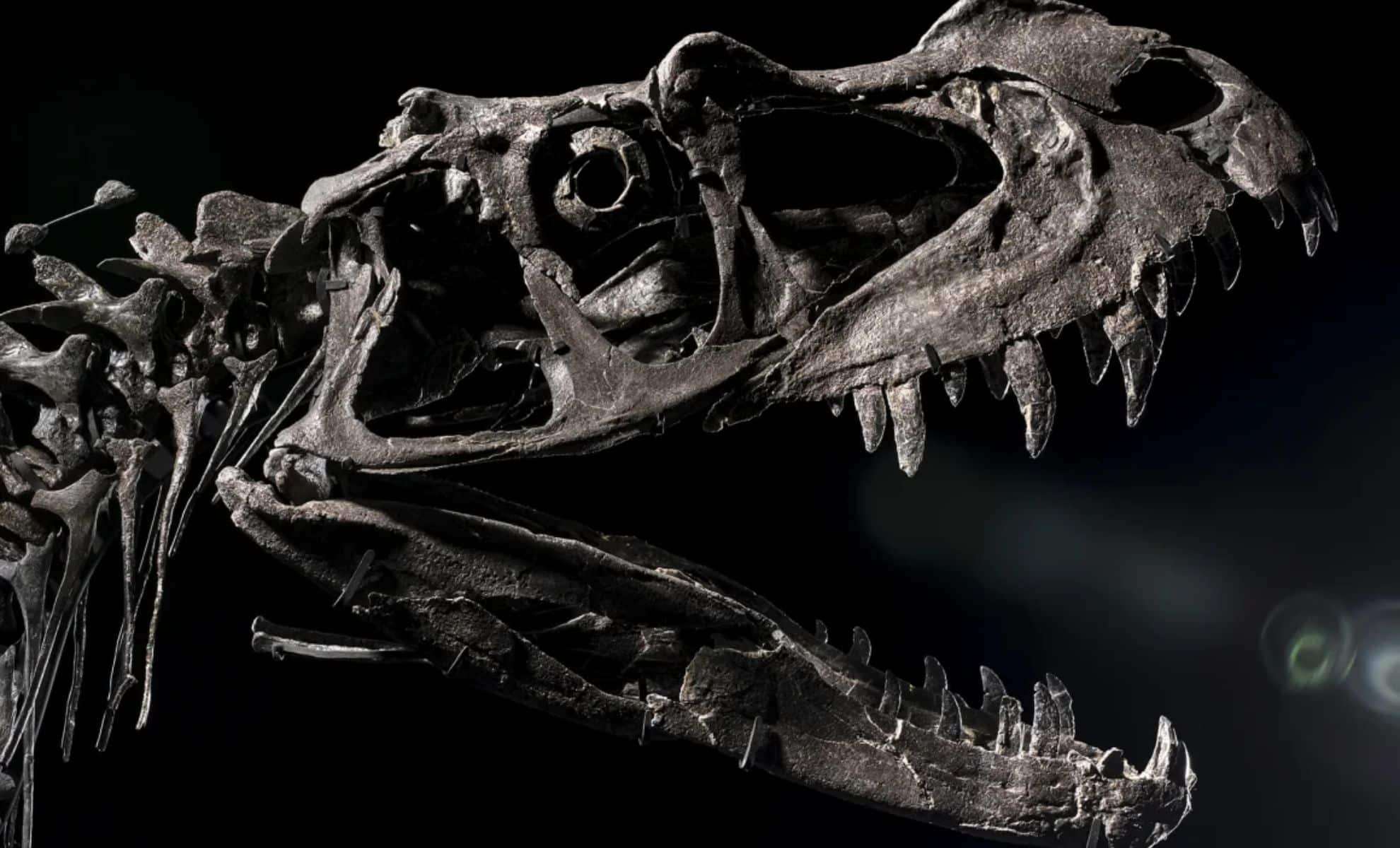
A rare Ceratosaurus fossil, one of only four known specimens worldwide, recently achieved an astonishing sale price of $30.5 million during an intense auction at Sotheby’s New York. This extraordinary juvenile Ceratosaurus nasicornis—a carnivorous dinosaur from the late Jurassic era—was described as one of the most complete examples discovered, far surpassing its original valuation of $4 to $6 million.
An Extraordinary Find
Unearthed in 1996 at the Bone Cabin Quarry located in Wyoming, this specimen stands apart not only due to its impressive age of roughly 150 million years but because it is the only juvenile among the four Ceratosaurus fossils known. Measuring about 10 feet 8 inches (3.25 meters) long and 6 feet 3 inches (1.9 meters) tall, it boasts 139 fossilized bones, including an exceptionally well-preserved skull made up of 57 elements.
The Ceratosaurus was a fierce predator recognized by its sharp teeth, prominent nasal horn, and rows of bony plates running along its back and tail. The fossil’s sale mirrors the increasing enthusiasm among collectors and scientists for dinosaur fossils, which continue to captivate imaginations worldwide.

The Fossil’s Story
Prior to the auction, this remarkable Ceratosaurus was exhibited for over two decades at the Museum of Ancient Life in Thanksgiving Point, Utah. Despite its prominence, this fossil has yet to be thoroughly described in scientific literature, offering potential for future academic study. According to Sotheby’s, the new owner intends to loan it to a scientific institution, ensuring ongoing research and public access.
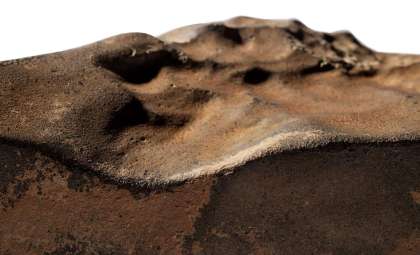
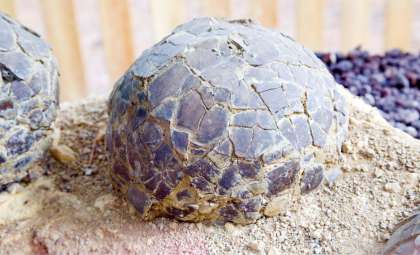
The auction also featured other extraordinary items, including the largest known Mars rock on Earth, which sold for $5.3 million. This surge in demand underscores a broader fascination with natural history, fueling both collecting and scientific curiosity about Earth’s evolutionary past.
Controversy Surrounding Fossil Sales
The record-breaking sale has spurred lively debate within the paleontology community. Some experts, including University of Edinburgh paleontologist Steve Brusatte, have voiced concerns about how such expensive auctions could limit researchers’ access to fossils. Brusatte fears these treasures might end up locked away in private collections rather than serving public education and scientific discovery.
On the other hand, scholars like Mark Westgarth, an art market historian at the University of Leeds, view auction sales as part of a longstanding relationship between fossil discovery and research. He points to historical examples like Mary Anning, whose fossil finds in the 19th century helped stimulate both public interest and scientific advancements.
- Categories:
- News





0 comments
Sign in to Comment