
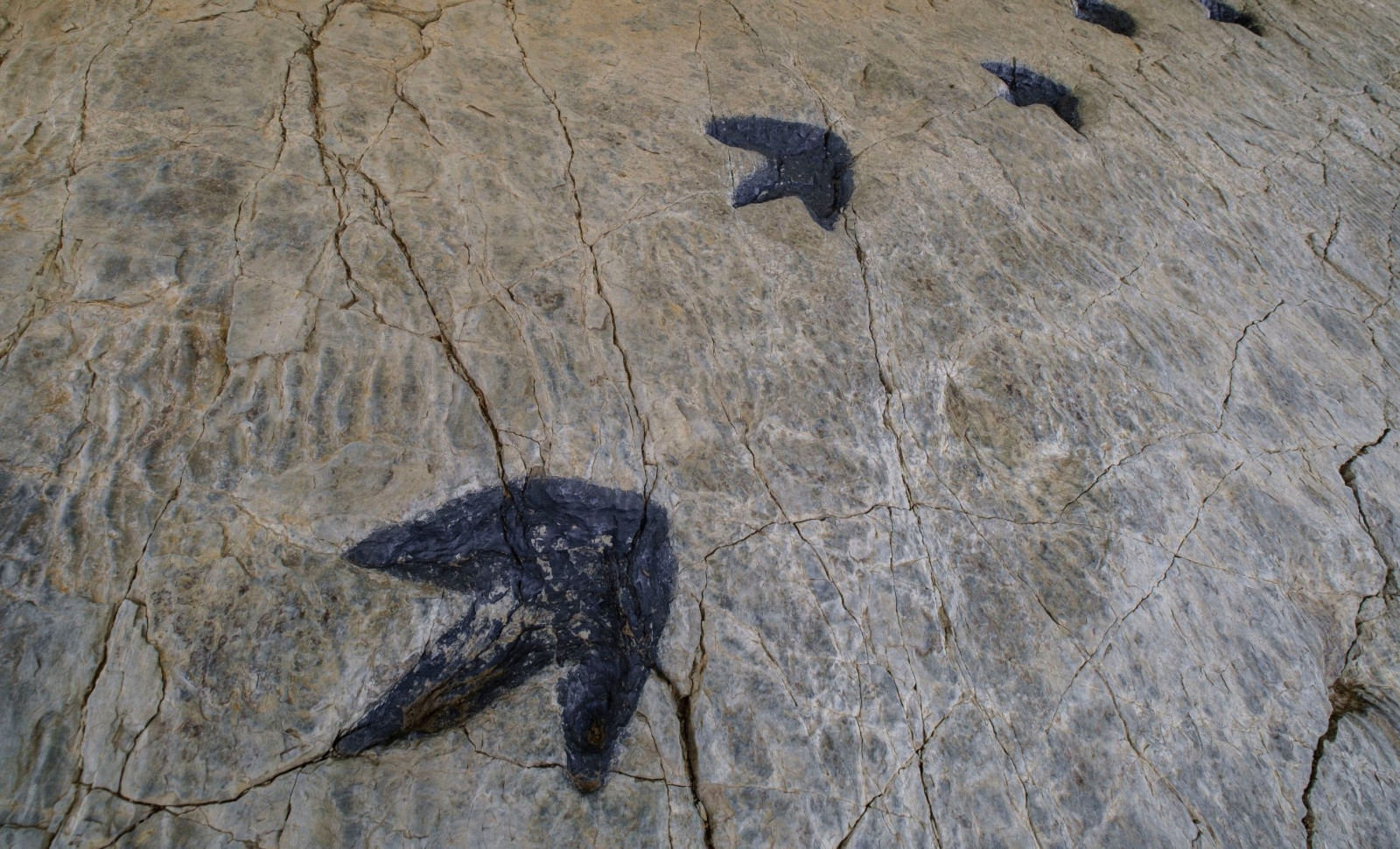
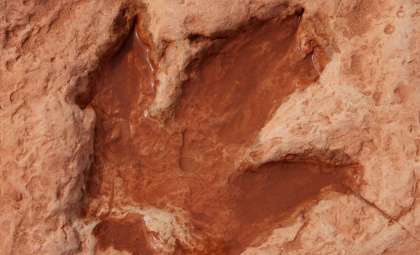
Back in 1958, a schoolboy in Brisbane made an extraordinary discovery identified today as Australia’s oldest dinosaur fossil. Bruce Runnegar found this dinosaur footprint in Petrie’s Quarry, which has been dated to an astonishing 230 million years ago, marking it as the earliest fossil evidence from this region.
Initially mistaken for an intriguing but unexplained mark on stone, neither Runnegar nor his friends grasped the footprint’s true importance. Now, more than six decades later, this impression has gained recognition as a vital historical artifact. It stands as Brisbane’s sole dinosaur fossil find and has become essential in reconstructing the story of dinosaurs that roamed here long before humans.
A Remarkable Fossil Discovery in Australia
While exploring a quarry in Brisbane with friends, a young schoolboy noticed an unusual print in 1958. Although he sensed its significance, he never imagined it would become a discovery of national paleontological importance.

“At the time, we suspected the marks might be dinosaur tracks, but we couldn’t have imagined their national significance,” said Bruce Runnegar, who made the find and co-author of the study.
A recent study published in Alcheringa reveals that what appeared to be a modest finding was actually the beginning of an important scientific journey. The footprint remained unnoticed in the quarry for decades until researchers revisited it with fresh eyes.
“More than 60 years after we found it, it’s extraordinary to see it recognised as Australia’s oldest dinosaur fossil,” he added.
The Early Sauropodomorph Behind the Ancient Print
Who left this footprint? Scientists attribute it to a primitive sauropodomorph, an ancestor of the iconic long-necked giants that later dominated the ecosystems. These earlier dinosaur relatives were smaller and more nimble but eventually evolved into the colossal species like Brachiosaurus and Apatosaurus. University of Queensland’s Dinosaur Lab researcher Anthony Romilio suggests the sauropodomorph probably left this mark near an ancient water source, a typical habitat for these animals.
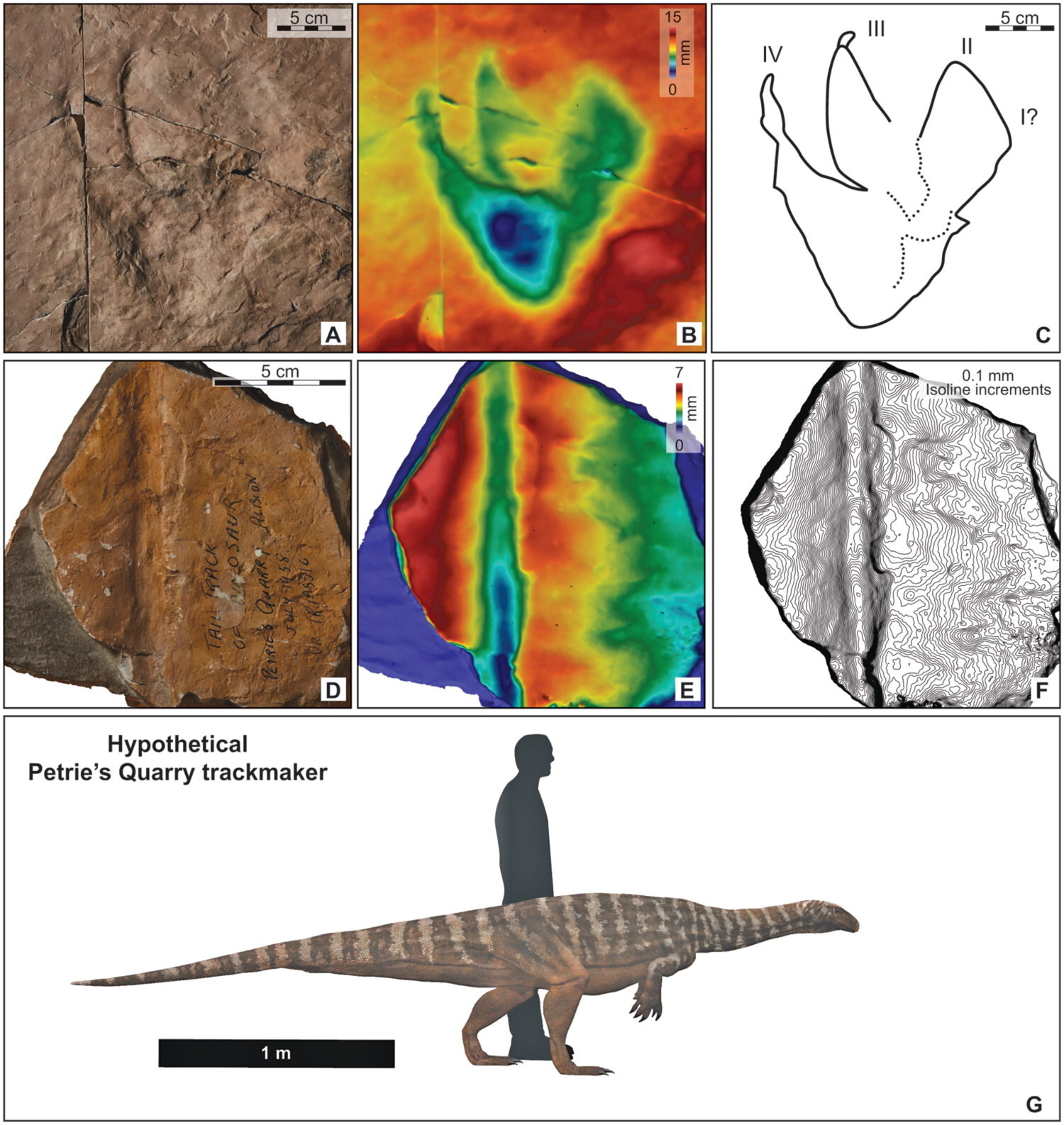
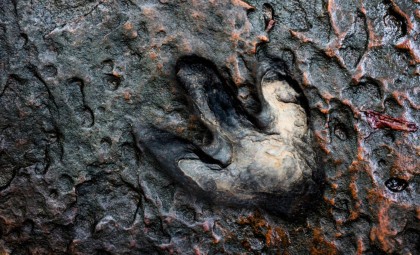
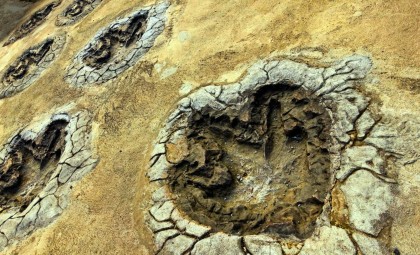
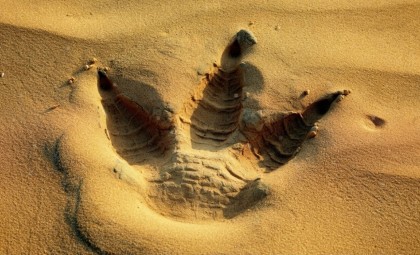
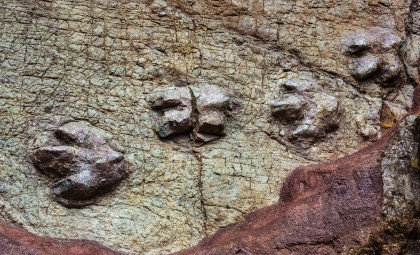
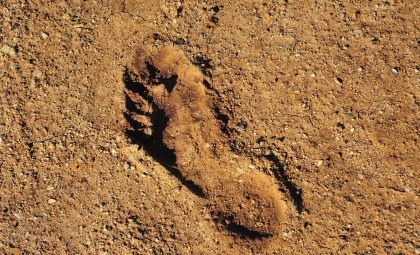
The footprint measures 18.5 cm long, providing clues about the dinosaur’s size and movement. Estimates suggest it stood about 78 cm tall at the hip and weighed close to 144 kg. Its preservation in sandstone was not a mere fluke.
Romilio explains that the footprint formed as the dinosaur traversed a muddy surface that later solidified. The rock slab containing the footprint was incorporated into Brisbane’s urban framework, unknowingly safeguarding this ancient biological imprint beneath the city for decades.
A Lost Chapter of Brisbane’s Dinosaur Past
While this footprint is Brisbane’s only known dinosaur fossil, it hints at a richer prehistoric past now largely erased by urban expansion. The original site has become inaccessible, eliminating many other potential fossilized footprints in the region.
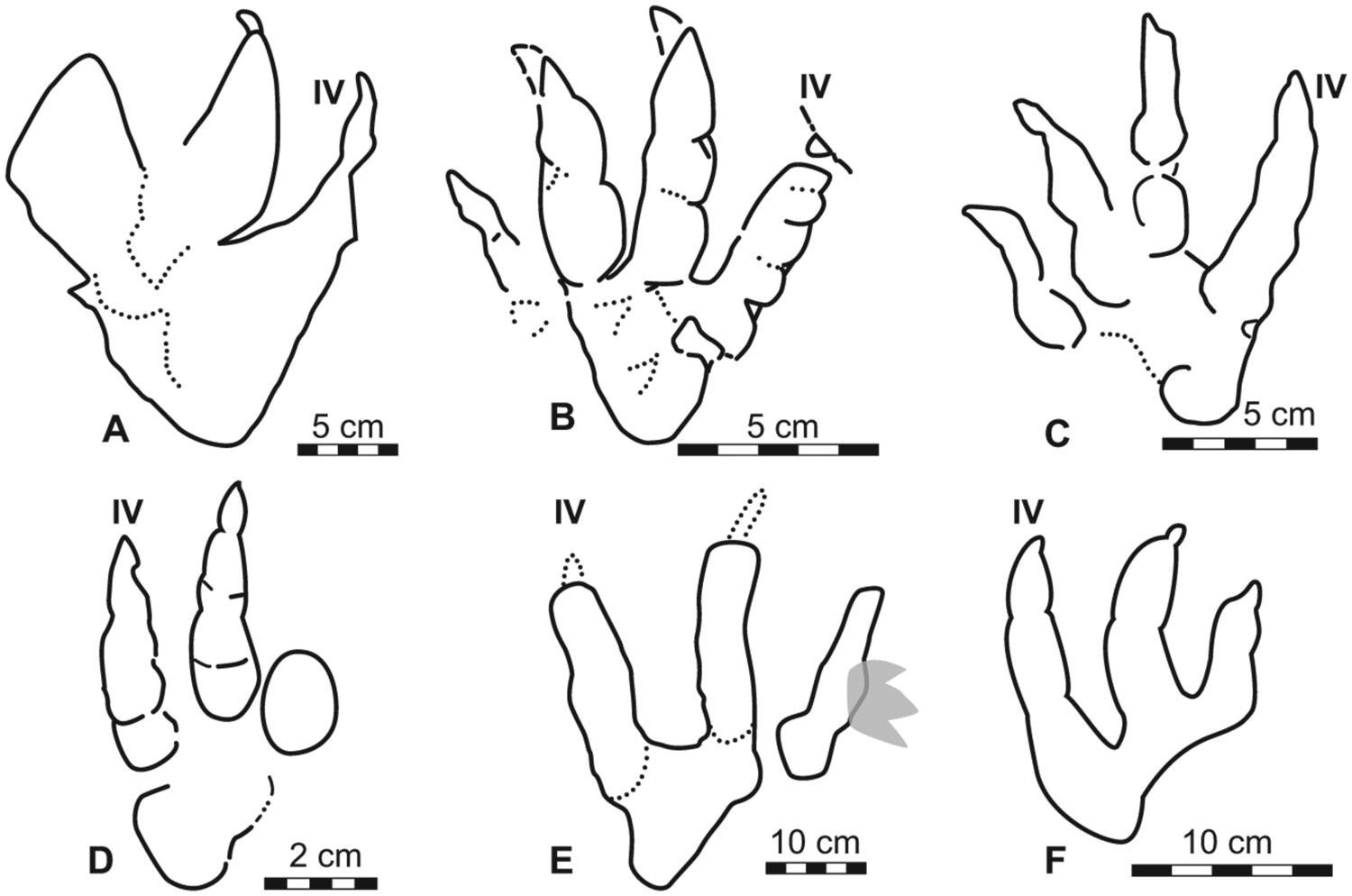
Romilio notes that without Runnegar’s early efforts to preserve this footprint, much of Brisbane’s dinosaur heritage would have remained hidden.
“Subsequent urban development has made the original site inaccessible, leaving this footprint as the only surviving dinosaur evidence from the area,” Romilio said.
- Categories:
- Science


0 comments
Sign in to Comment