
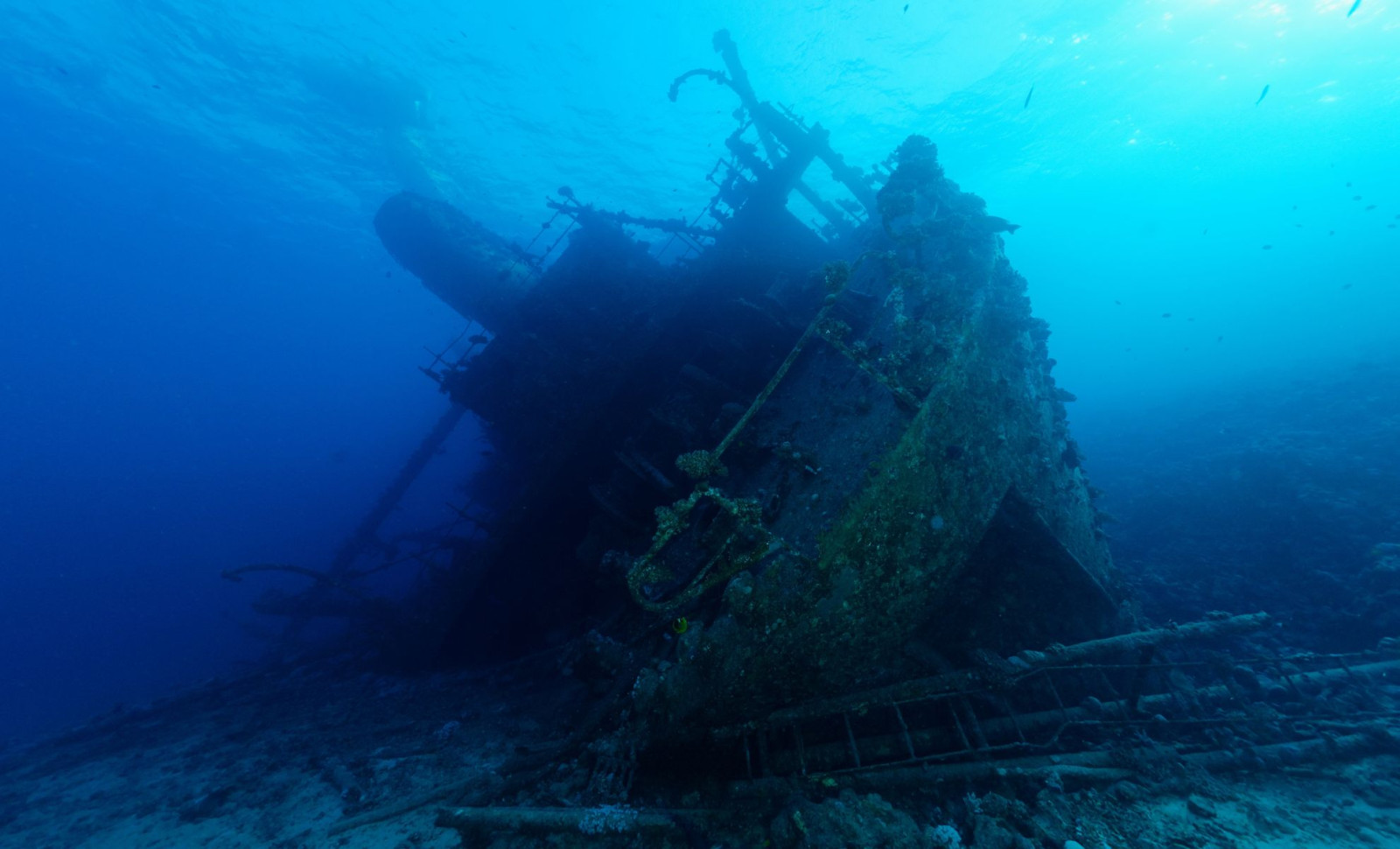
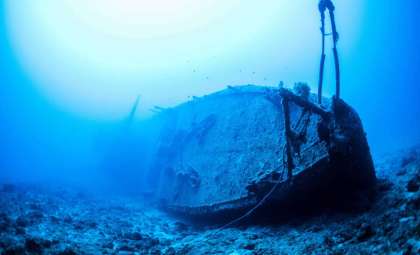
Two American archaeology experts believe they have uncovered the remains of a Portuguese vessel seized by pirates in 1721, a ship famously linked to a vast, lost fortune. This announcement follows a 16-year search conducted off the northeastern coast of Madagascar. Although promising, the discovery is yet to be verified independently.
The ship, known as Nossa Senhora do Cabo, departed from India en route to Portugal carrying high-ranking officials, clergy members, and a cargo described in historical archives as highly valuable. Its capture is part of a broader wave of piracy in the Indian Ocean during the early 1700s when shipping routes were frequent targets.
Thousands of artifacts salvaged from the ocean floor could illuminate the movement of goods, people, and religious items within Portuguese colonial networks of the era.

Storm Damage, Pirate Ambush, and a Seized Prize
In 1721, the Nossa Senhora do Cabo sailed with the Portuguese viceroy and the Archbishop of Goa onboard, accompanied by around 200 enslaved individuals. Near Réunion Island, it was overtaken by pirates led by Olivier Levasseur, infamously known as “The Buzzard.”
According to a report from the Center for Historic Shipwreck Preservation, the ship had already sustained storm damage, easing the pirates’ capture. They quickly subdued the vessel and sailed it about 400 miles west to Nosy Boraha, historically known as Île Sainte-Marie.
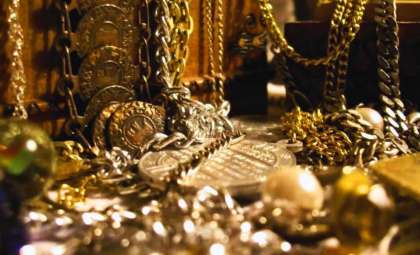
Historical accounts featured in Live Science describe the cargo including gold and silver bullion, coins, silk fabrics, and hundreds of precious stones such as diamonds and emeralds. The massive value of these goods underlies the enduring nature of this narrative.
Over a Decade and a Half of Underwater Search
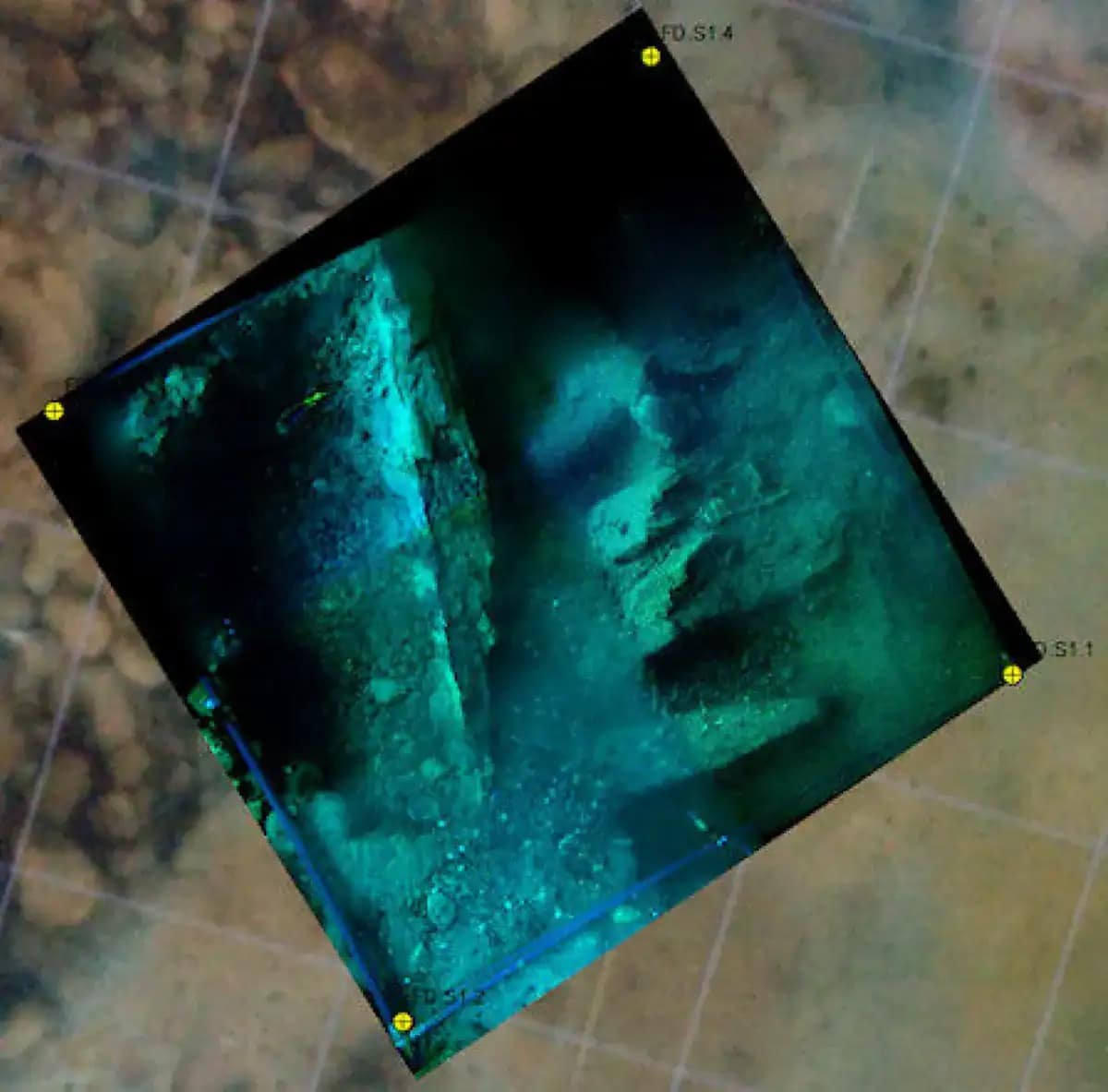
Archaeologists Brandon Clifford and Mark Agostini state they pinpointed the wreck after years of sonar scanning and remote sensing efforts. Their findings were detailed in Wreckwatch Magazine, reporting the recovery of over 3,300 artifacts at the site.
“In spite of extensive historical records describing the Nossa Senhora do Cabo‘s capture and its eventual sinking, the precise location of the shipwreck has remained uncertain, sparking debate among historians and archaeologists alike,” the Center for Historic Shipwreck Preservation explained.
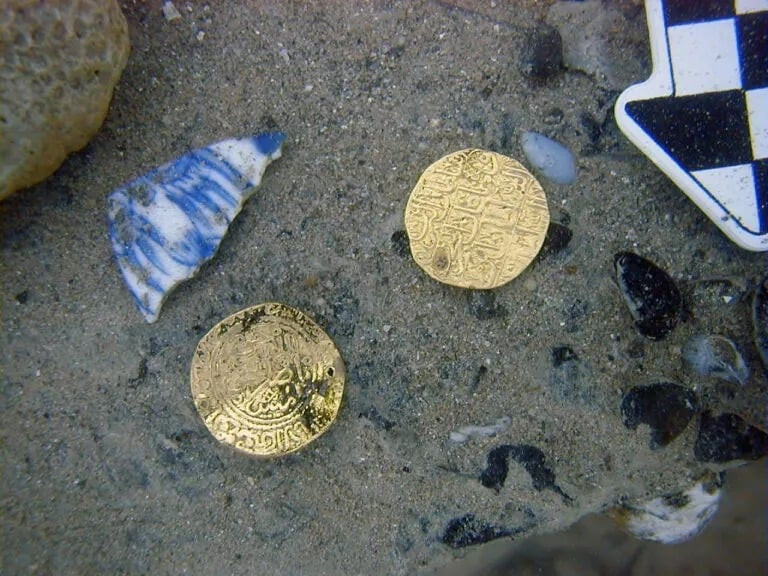
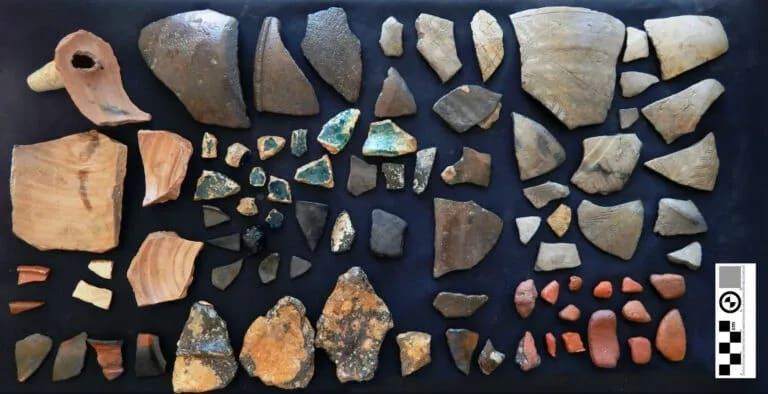
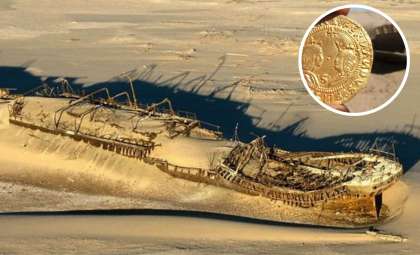
Among the discoveries are religious artifacts likely from Goa, such as Virgin Mary statuettes and plaques depicting Jesus of Nazareth. Pottery fragments and gold coins bearing Arabic script were also found, some still half-buried beneath ocean sediment.
What Became of the Treasure?
Not all valuables remained on the ocean floor. Historical documents suggest piratical leader Levasseur and his crew removed a significant portion of the treasure before leaving the ship behind. Some loot and the captured viceroy were later ransomed back to Lisbon.
Reports also state no definitive information exists on the fate of the archbishop or the 200 enslaved people aboard. The vicinity of Nosy Boraha was a pirate stronghold during that era due to its calm waters and weak colonial enforcement. Clifford estimates up to 10 shipwrecks may lie submerged in the area, with several in close proximity within the same harbor. Agostini remarked that
“The site has historically been overlooked by researchers,” he added, “and so there’s ample room for more discoveries that give us a glimpse into the past.”
This suggests additional finds and knowledge could soon emerge from the waters nearby.
- Categories:
- News


0 comments
Sign in to Comment