
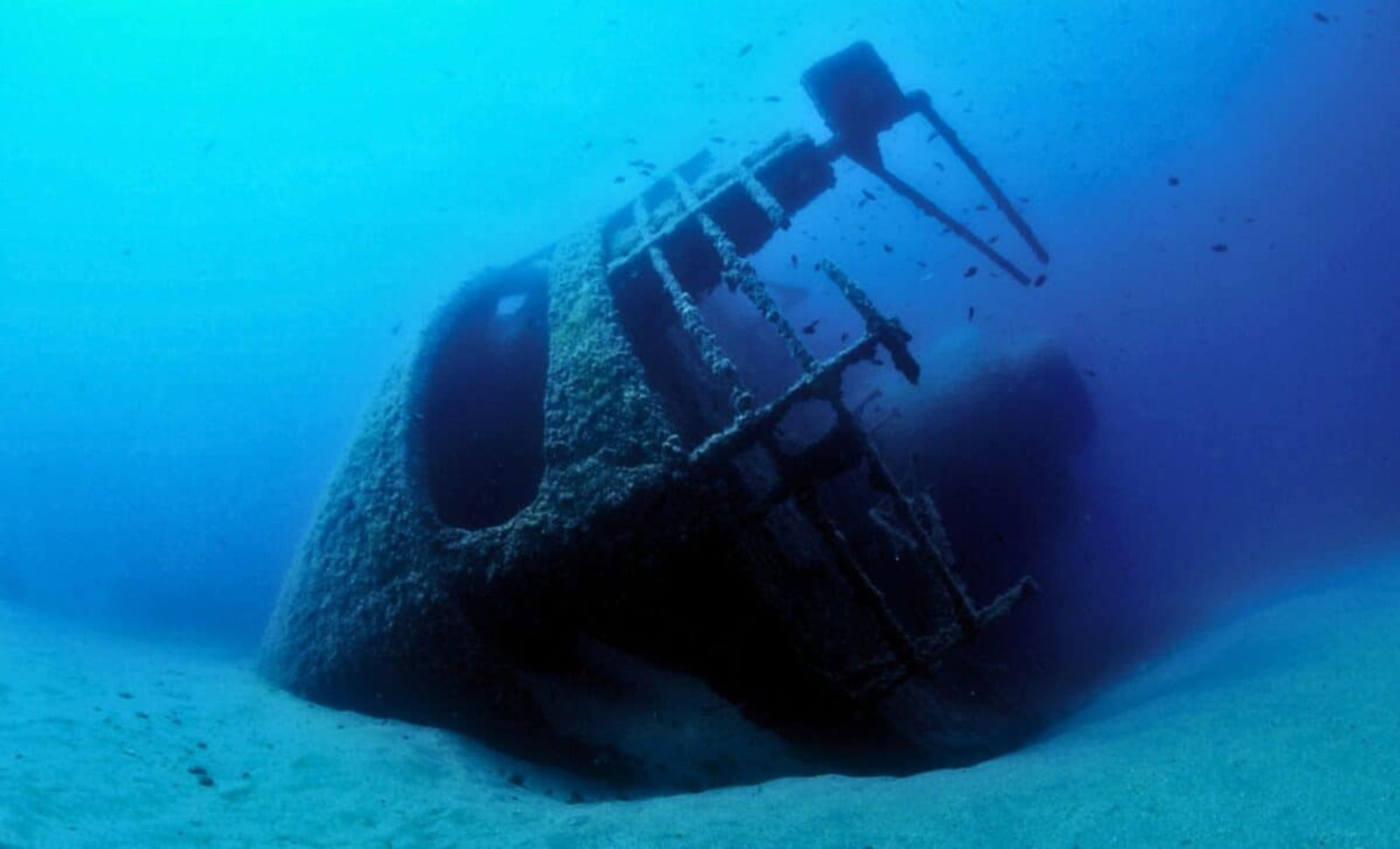
The remains of the USS Johnston, a U.S. Navy destroyer lost in World War II, have been positively identified nearly 77 years after sinking during the Battle off Samar. Marine explorers confirmed the ship’s identity by photographing the hull number “557” more than four miles beneath the Philippine Sea’s surface.
This discovery resolves decades of mystery surrounding the wreck and highlights one of the war’s most harrowing naval encounters. Resting in exceptional condition at a depth of 21,180 feet, the vessel stands as a poignant testament to the crew’s determined resistance against an overwhelmingly larger Japanese fleet.
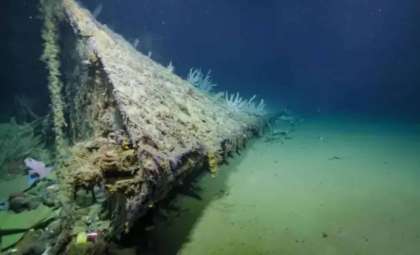
The destroyer was initially found in 2019; however, researchers were unable to ascertain if it was the USS Johnston or its sister ship, the USS Hoel. That changed thanks to a recent expedition led by retired Navy officer and explorer Victor Vescovo, whose team deployed the submersible Limiting Factor to closely examine the site. This mission provided clear photographs of the hull number and detailed views of the ship’s bridge, gun turrets, and torpedo launchers.

Facing Overwhelming Opposition in Battle
On October 25, 1944, the USS Johnston was part of a modest U.S. naval unit called Taffy 3, which was tasked with protecting escort carriers near the Philippine Islands. Suddenly, they confronted a much larger Japanese fleet consisting of battleships, cruisers, and destroyers.
As detailed by the Navy History and Heritage Command and reported via U.S. Naval Institute News, the Japanese fleet included the formidable battleship Yamato, armed with 18-inch guns. Against these odds, Cmdr. Ernest Evans, Johnston’s commanding officer, ordered the destroyer to launch a direct attack on the enemy forces.
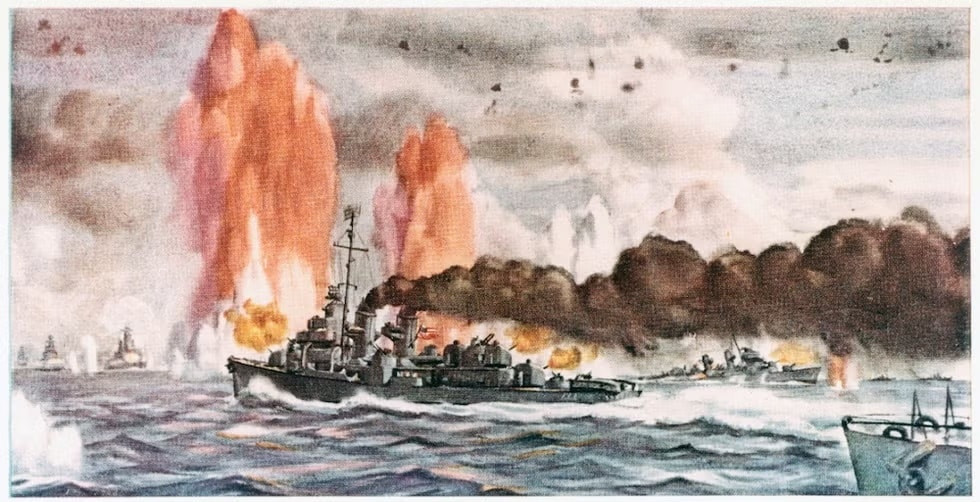
During the fierce fight, the destroyer succeeded in damaging the Japanese heavy cruiser Kumano before sustaining heavy damage itself. Despite suffering severe wounds, Evans maintained command throughout the escalating conflict. Even after all torpedoes were expended, the crew continued firing with their remaining 5-inch guns.
After more than two hours of combat, the destroyer was immobilized and surrounded by enemy vessels. Evans gave the command to abandon ship shortly before the Johnston capsized and sank. Of the 327 sailors aboard, only 141 lived to survive. Evans was awarded the Congressional Medal of Honor posthumously.
Setting Records with the Deepest Shipwreck Dive
In addition to confirming the identity of the wreck, the recent expedition ranks among the deepest shipwreck explorations ever accomplished. According to Caladan Oceanic, explorer Vescovo undertook two approximately eight-hour dives aboard the Limiting Factor submersible.
The images captured reveal how remarkably well the wreck has endured after decades submerged. Most visible damage corresponds to battle-inflicted wounds rather than long-term decay. The cold, extreme-depth environment of its resting place contributed to its preservation.
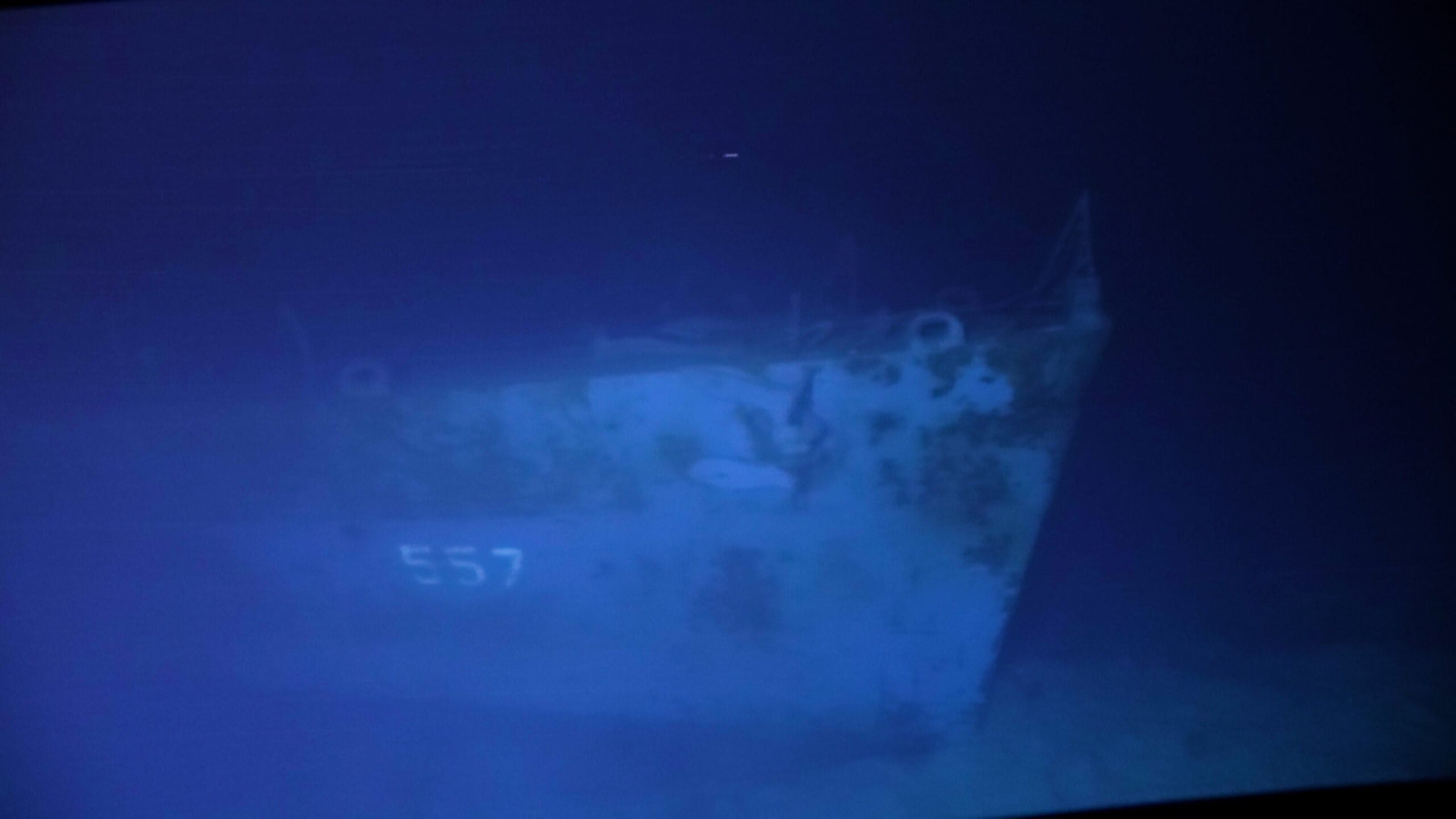
The research team examined key parts of the destroyer, including the bridge and various deck-mounted weapons. They also gathered sonar data and other technical information, which was later provided at no cost to the U.S. Navy.
At the conclusion of the expedition, the crew aboard the support vessel DSSV Pressure Drop commemorated the historic site by sounding the ship’s whistle and dropping a wreath in honor of the sailors who lost their lives.
A Preserved Military Grave Site Underwater
Presently, the USS Johnston wreck is safeguarded under the Sunken Military Craft Act of 2004, which prohibits unauthorized disturbances and salvaging of U.S. military shipwrecks. The location is both a protected historic site and a solemn war grave.
As highlighted in the Popular Mechanics article, retired Rear Adm. Sam Cox, head of the Navy History and Heritage Command, emphasizes that the ship’s history exemplifies "honor, courage, commitment, and valor." Researchers remain deeply interested in the Battle off Samar due to the extraordinary mismatch between the small American squadron and the much larger Japanese forces it faced.
Thanks to the new photographic evidence, historians and marine archaeologists can now study the vessel in detail without disturbing the site.
- Categories:
- News





0 comments
Sign in to Comment