
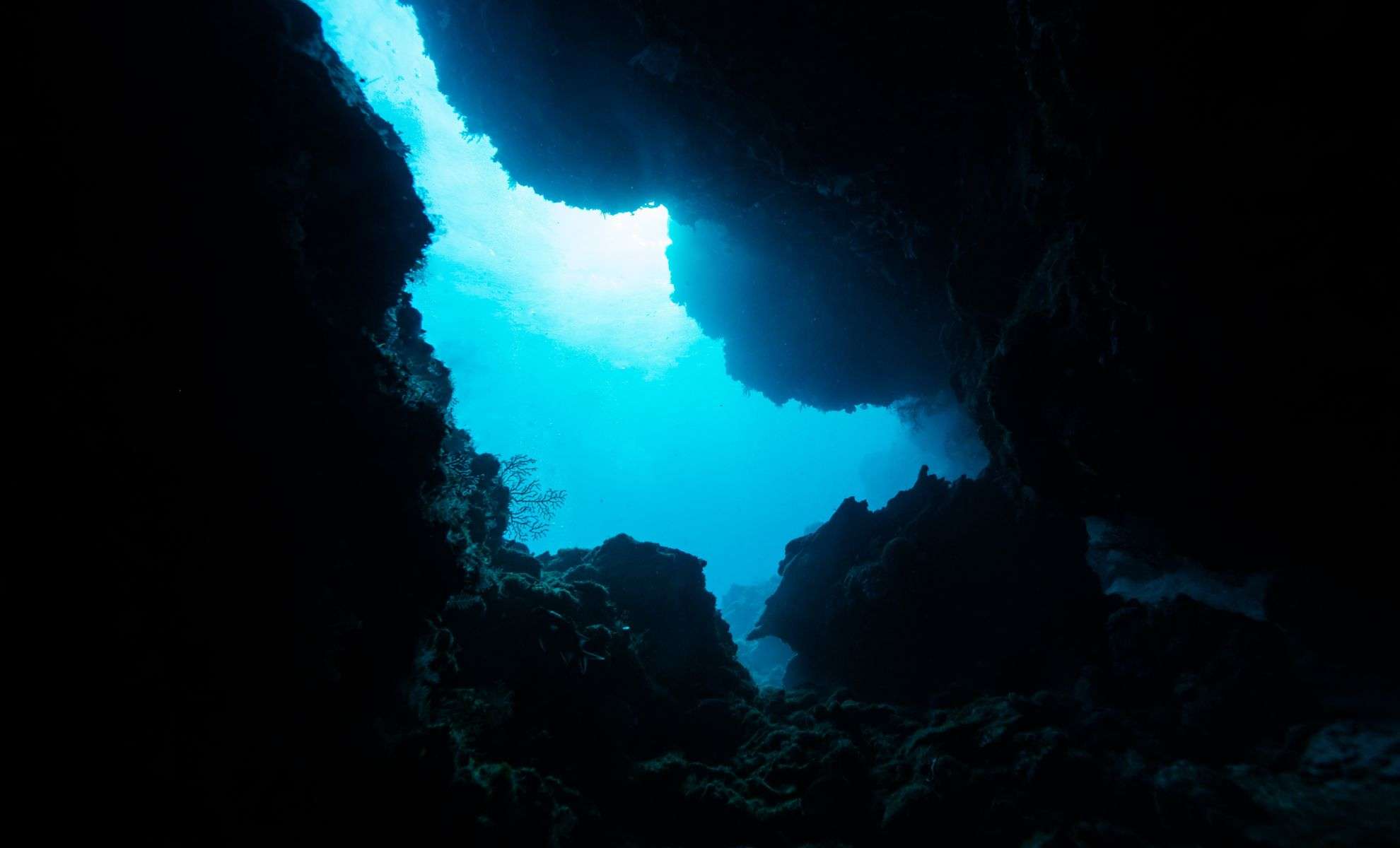
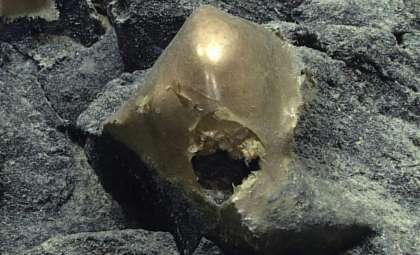
Deep within the Pacific Ocean's pitch-black abyss, where extreme pressure and total darkness prevail, scientists have stumbled upon an astonishing sight: minute, pitch-black egg capsules clinging to rocky surfaces nearly four miles below sea level. Inside these cryptic pods reside developing flatworms, likely representing a species never observed before. This remarkable finding, published recently in the journal Biology Letters, marks the deepest confirmed discovery of free-living flatworms on the planet.
Unveiling an Unusual Phenomenon in the Ocean Depths
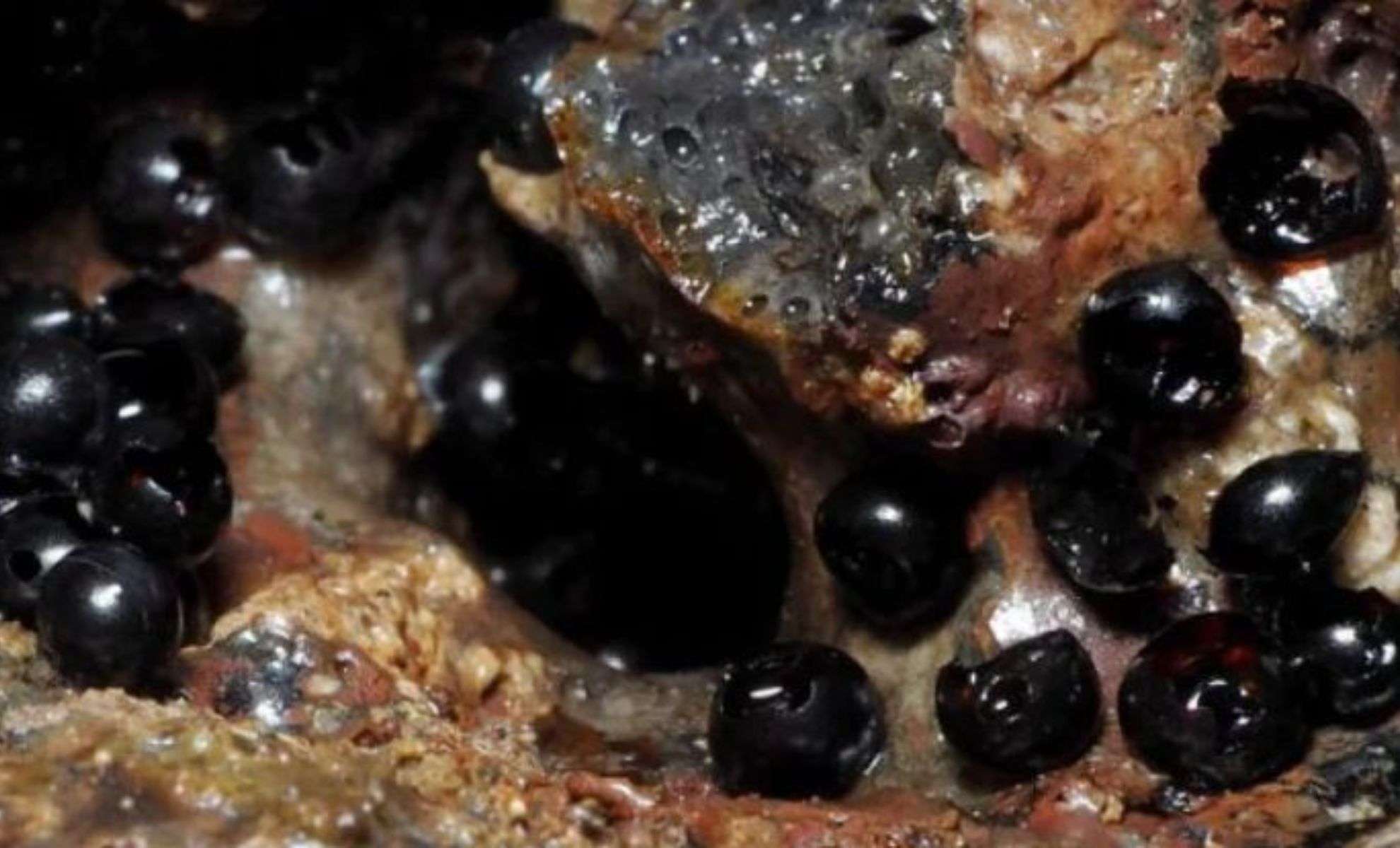
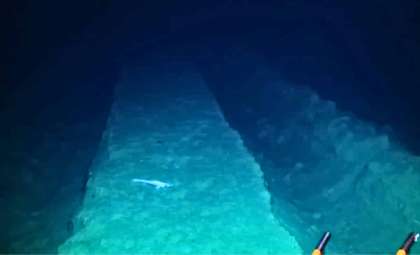
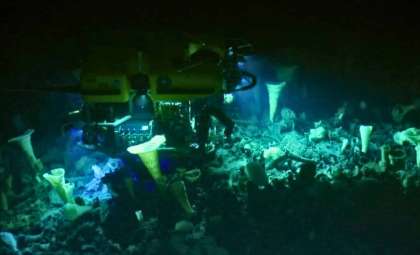
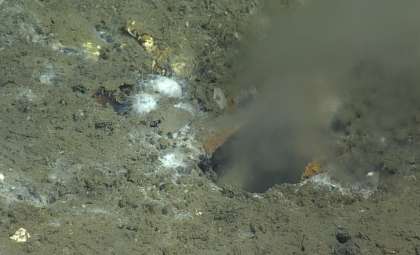
During an exploratory mission using a remotely operated vehicle, a team from the University of Tokyo led by marine scientist Yasunori Kano investigated a trench in the northwest Pacific Ocean. At approximately 6,200 meters beneath the surface (over 20,000 feet), the underwater camera captured unusual dark spheres affixed to the rocky ocean floor—an environment far beyond the typical habitats of most marine species.
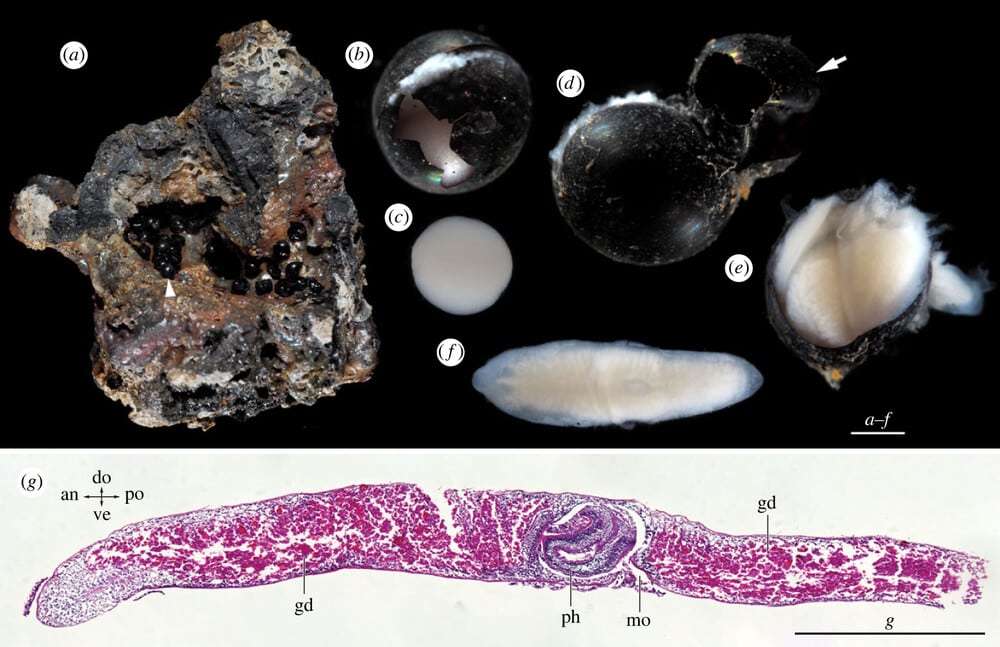
While many egg capsules retrieved were damaged or void, a select few remained intact and were transported to Hokkaido University. There, researchers Keiichi Kakui and Aoi Tsuyuki carefully examined the samples. Their findings, later published in Biology Letters, revealed developing flatworms inside, hinting at a previously unknown species thriving in these profound depths.

Flatworms Occupying an Unexpected Habitat
The leathery egg capsules contained a milky liquid and several delicate, pale flatworm embryos. Detailed studies confirmed these were developing flatworms, free-living soft-bodied organisms generally associated with much shallower marine zones. Each capsule housed between three and seven embryos, each at varying points of maturation.
Prior to this discovery, flatworms had not been documented living below 3,200 meters. An unconfirmed sighting at 5,200 meters, involving a worm on driftwood, raised questions about its actual habitat. Contrastingly, the newly found egg capsules were attached directly to rock formations, showcasing that these flatworms had established their home right on the deep seafloor.
Genetic Analysis Reveals a New Species
To authenticate their findings, researchers sequenced the DNA of the embryos. The analysis identified a new, undescribed species within the flatworm phylum Platyhelminthes. Although genetically close to species inhabiting shallow waters, differences were notable enough to classify these deep-sea inhabitants as a distinct species.
Intriguingly, the developmental stages of these embryos resembled those of flatworms found in sunlit, shallow environments. Despite existing in pitch darkness, cold temperatures, and crushing pressures, these creatures’ growth processes have remained remarkably similar to their shallow-water relatives.
The presence of embryos at various developmental milestones suggests that the eggs were laid over time, potentially by a pair of adult flatworms residing in this submerged realm.
A Tiny Ocean Mystery at Extreme Depths
Flatworms are hermaphroditic, possessing both male and female reproductive organs. In shallower waters, they deposit eggs within leathery cocoons attached to substrates like rocks—behavior mirrored here at an extraordinary depth of 6,200 meters.
The question remains: how did these flatworms come to inhabit such a profound environment? One hypothesis proposes that ancestors from shallower waters gradually adapted to survive in darker, deeper ecosystems. However, this raises further questions—why do their embryos display developmental traits nearly identical to those of surface-dwelling species?
Though answers lie cloaked in the ocean’s depths, this unexpected finding emphasizes that life persists even in the planet’s most remote and inhospitable habitats, sometimes taking familiar forms in unimaginable places.
- Categories:
- News





0 comments
Sign in to Comment