
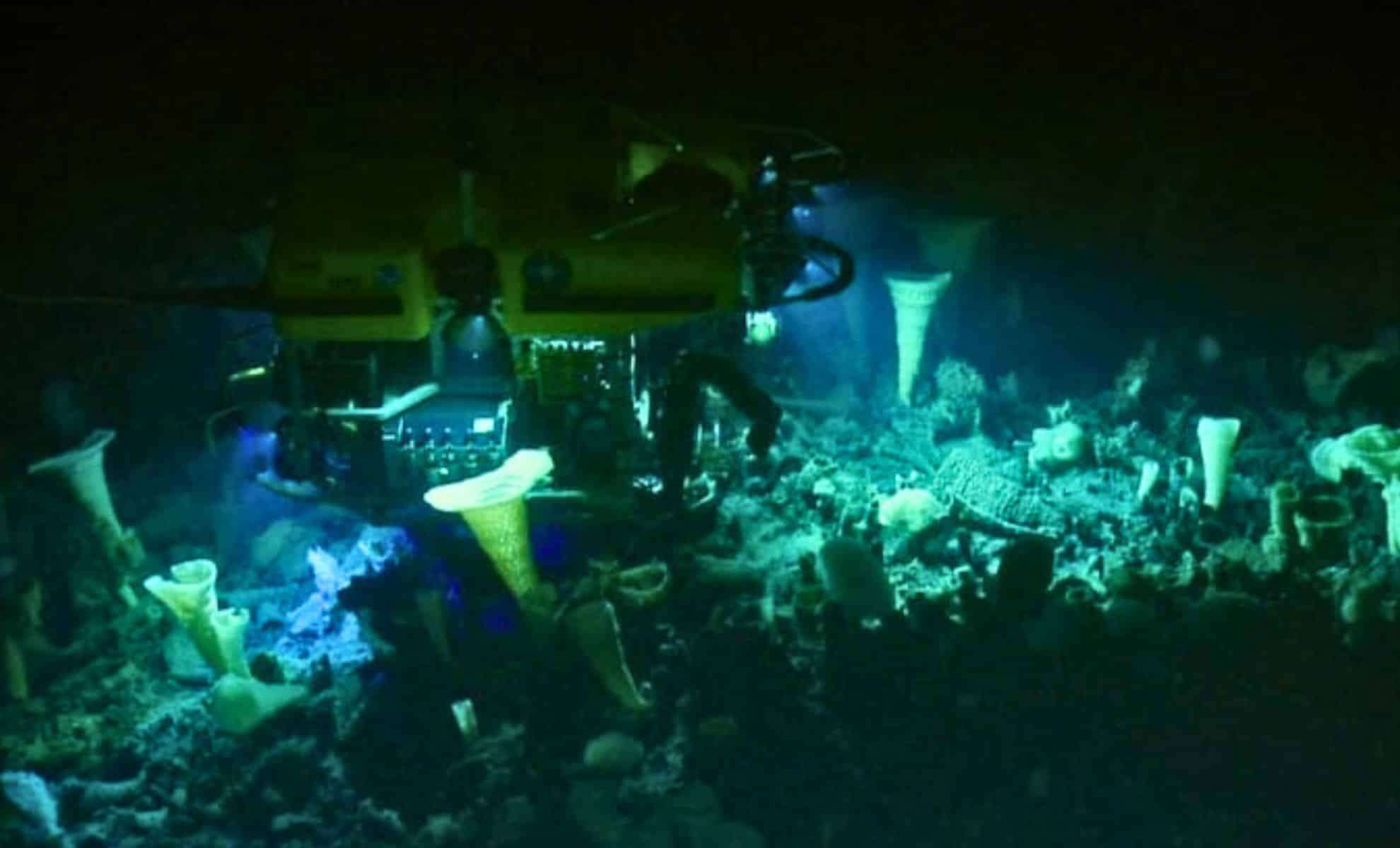
Researchers from Fisheries and Oceans Canada have made a groundbreaking find near Vancouver Island: a large cluster of enormous, living eggs atop an active underwater volcano. This astonishing discovery transforms our perspective on the area and demonstrates how volcanic warmth can sustain unique marine ecosystems.
Reevaluating a Supposedly Dormant Volcano
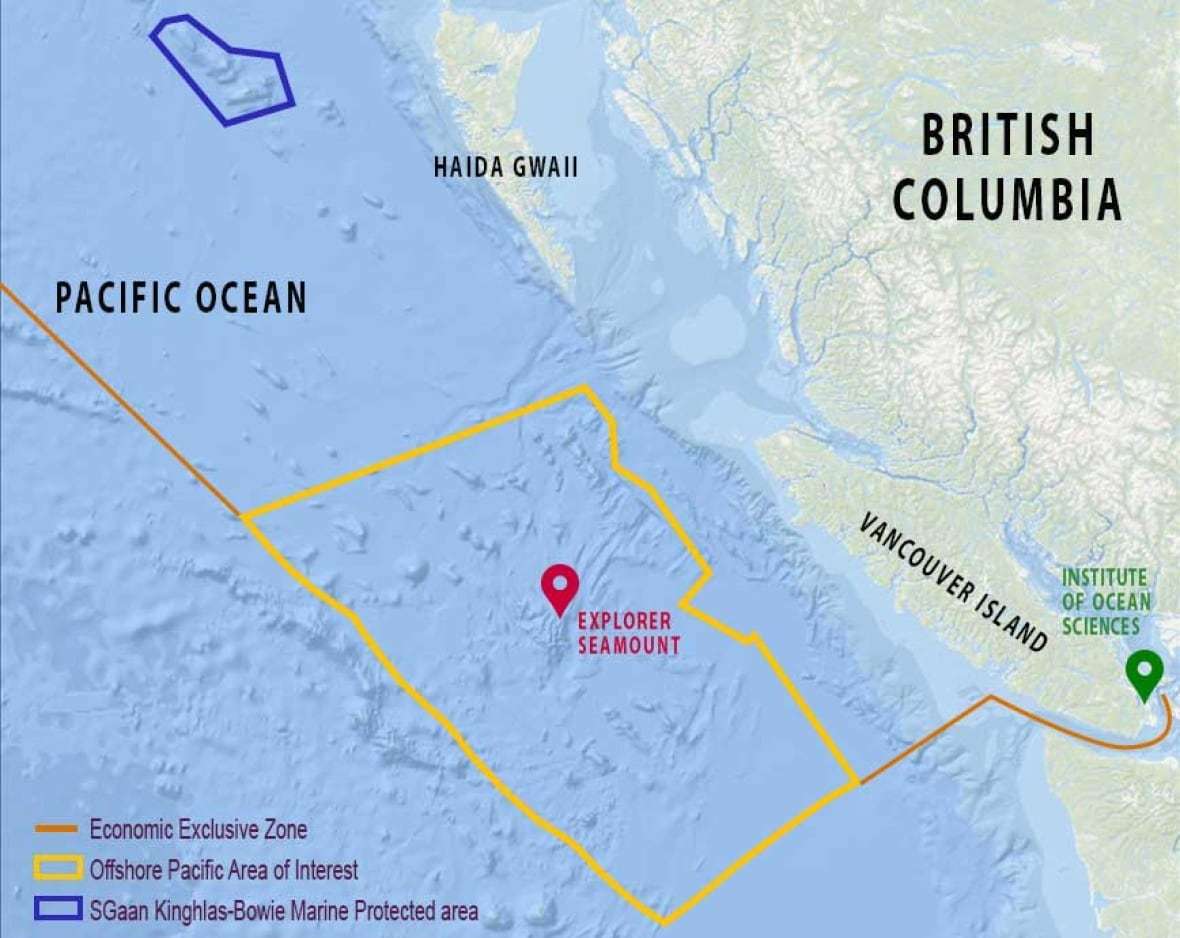
Until recently, scientists believed the underwater volcano situated near Vancouver Island was inactive, with the surrounding cold waters thought to be mostly devoid of life. However, a 2019 scientific expedition spearheaded by marine biologist Cherisse Du Preez revealed a strikingly different scene.
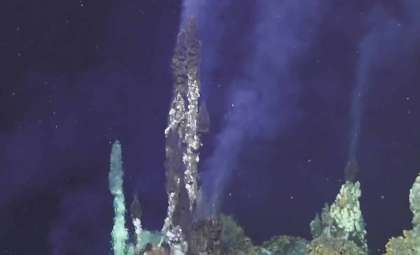
Far from being dormant, the volcano remains active and supports a dynamic biological habitat. This overturns earlier beliefs and highlights the volcano as a thriving geothermal ecosystem teeming with diverse marine species.

The Enigma of the Massive Eggs
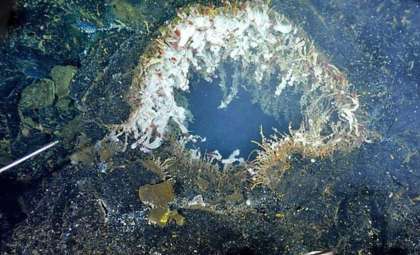
A particularly astonishing aspect of the exploration was the encounter with large eggs belonging to the Pacific white skate, a rarely observed deep-sea creature. These eggs, approximately 1.5 feet in diameter, have a unique pouch-like structure, earning them the nickname “mermaid purses”.
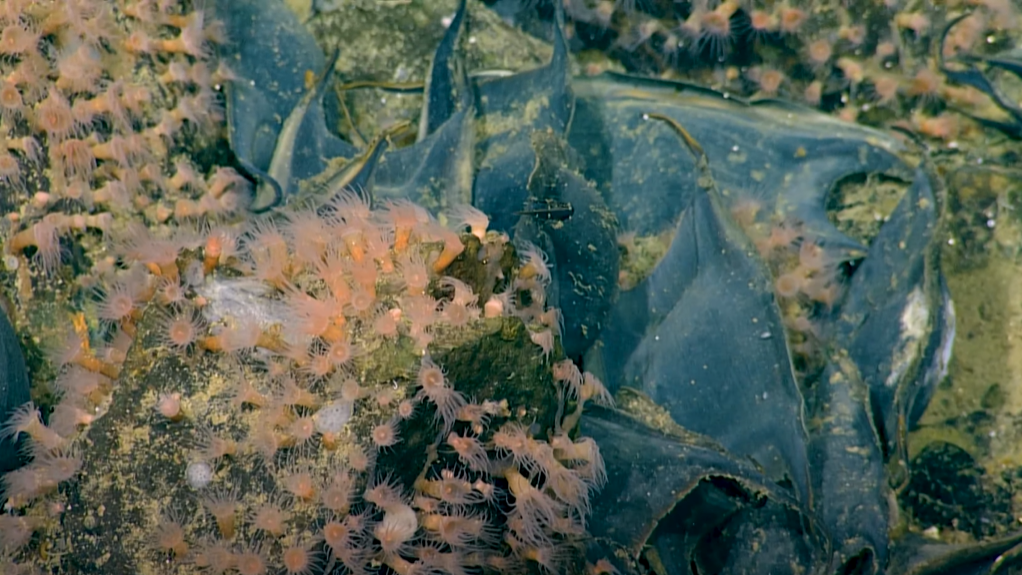
What sets this find apart is that the eggs were alive and in development. Unlike fossilized eggs found elsewhere, which date back millions of years, these were actively incubating, indicating that volcanic heat plays a vital role in their growth.
Volcanic Warmth: A Natural Incubator
How are these large eggs able to thrive in the harsh ocean depths? The answer lies in the geothermal warmth generated by the volcano. The Pacific white skate, or Bathyraja spinosissima, normally inhabits chilly depths ranging between 2,600 and 9,500 feet (2.9 km). Female skates lay sizable eggs that demand extensive energy to mature, often taking up to four years in cold waters.
Nonetheless, the warm, minerally enriched waters near the volcano serve as a natural incubator, accelerating the embryos’ growth and promoting the survival of juvenile skates. Cherisse Du Preez likened the volcano’s peak to “a coral-like garden and a protective nursery,” highlighting the significance of geothermal energy for this species’ reproductive success.
A Deep-Sea Nursery Fueled by Volcanic Activity
This discovery aligns with observations made at other volcanic underwater sites. For instance, in 2018, scientists at the Galápagos Islands documented smaller eggs developing in proximity to hydrothermal vents. While those eggs were notably smaller than the ones near Vancouver Island, the principle remains consistent: deep-sea creatures rely on volcanic warmth to nurture their eggs, leveraging extreme habitats to secure their offspring’s future.
The considerable size of the eggs at Vancouver Island indicates that volcanic heat may play a more crucial role in their development compared to smaller species. This insight opens new pathways to explore how sea life adapts to extreme conditions and underscores the vital role of geothermal environments in supporting ocean biodiversity.
As ongoing studies and further expeditions continue monitoring this volcanic habitat, scientists hope to deepen understanding about how such unique environments foster survival and growth of species otherwise challenged by the ocean’s cold depths.
- Categories:
- News





0 comments
Sign in to Comment