
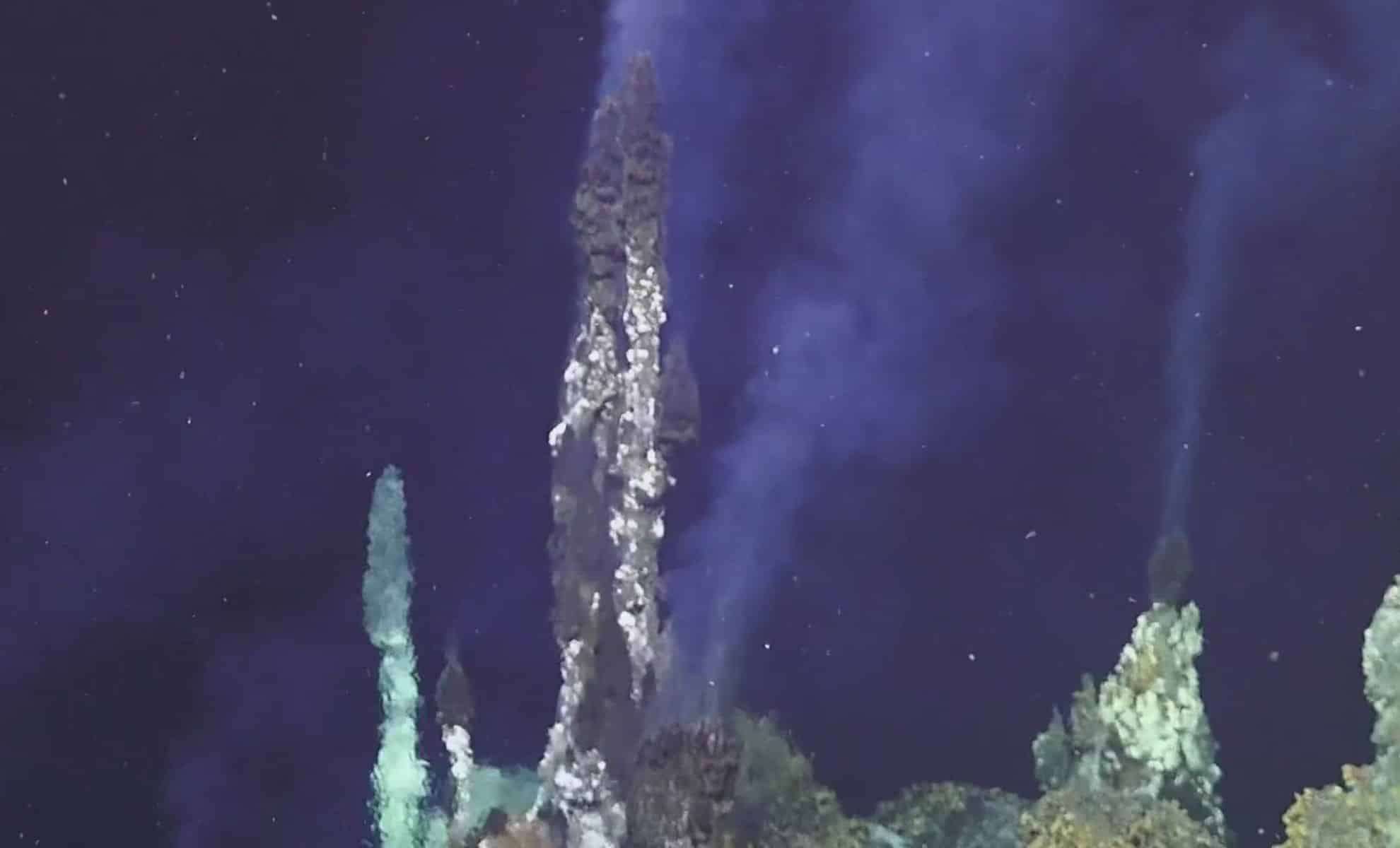
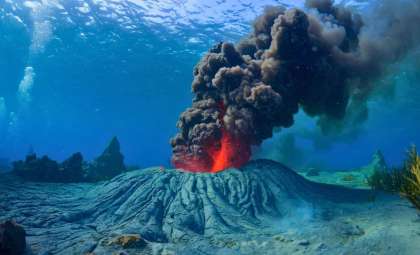
Researchers at the University of Washington have detected mounting evidence that an underwater volcano near the Pacific Northwest coast may erupt within the year. This volcano, part of the expansive Cabled Array observatory, has exhibited increased seismic activity and gas release in recent months. Scientists are intensively observing these indicators, anticipating a volcanic event that could be one of the most impactful in the locality.
As detailed by King 5 News, the ongoing research led by Debbie Kelley at the University of Washington sheds new light on this underwater phenomenon. Kelley describes this volcano as one of the planet's most intriguing natural phenomena, noting, “It’s one of the coolest things that happens on our planet. This is the best study of an underwater volcano right now. Every time we go through this volcanic cycle, we’re learning new things.” Located in the Cascadia Subduction Zone, the volcano presents a unique subject for studying underwater volcanic dynamics and their ecological consequences.
Advancing Knowledge of Submarine Volcanism
Although submarine volcanoes have been known for some time, the Cabled Array offers an unparalleled platform to monitor their real-time activity. According to Debbie Kelley, the observatory's instruments are key to detecting eruptions early: “No, we get asked that a lot, [but] no, if we didn’t have the ray out there, people would not know that it was going to erupt or that it is erupting.” The integration of sophisticated sensors positioned around the volcano has generated vital insights that advance predictive capabilities for future eruptions.

The Cabled Array continuously records data on gas output, temperature fluctuations, and seismic events, signaling growing volcanic unrest. Such information assists scientists in anticipating eruption timing and assessing potential effects on nearby marine habitats and coastal zones.
Anticipated Mildness of the Eruption
Despite signs of increased volcanic activity, Debbie Kelley assures that an explosive event is unlikely. She explains that “One, they don’t have a mile of water sitting on top of them, which dampens it. They also don’t have as many gases, and the magma compositions are different. All those things make it so they’re not a very explosive eruption.” This indicates the eruption’s intensity will probably be moderate and less hazardous compared to terrestrial volcanic explosions.
The underwater magma makeup, coupled with the cushioning effect provided by the overlying seawater, suggests the volcanic activity will be relatively controlled. Scientists anticipate this event will yield valuable insights into underwater volcanic mechanisms and their environmental interactions.
Monitoring and Anticipating Changes
As observation continues, the University of Washington’s team is preparing for possible ecological changes stemming from the eruption. Focus areas include the effects on the seafloor, marine organisms, and surrounding water chemistry. This eruption presents a valuable chance to gather critical data that will enhance understanding of both underwater volcanic activity and Earth's complex geophysical systems.
Witnessing this volcanic cycle unfold offers an extraordinary opportunity for scientists. The collected data has the potential to influence fields such as seismology, oceanography, and volcanology, contributing to knowledge that extends well beyond this single event.
- Categories:
- News




0 comments
Sign in to Comment