
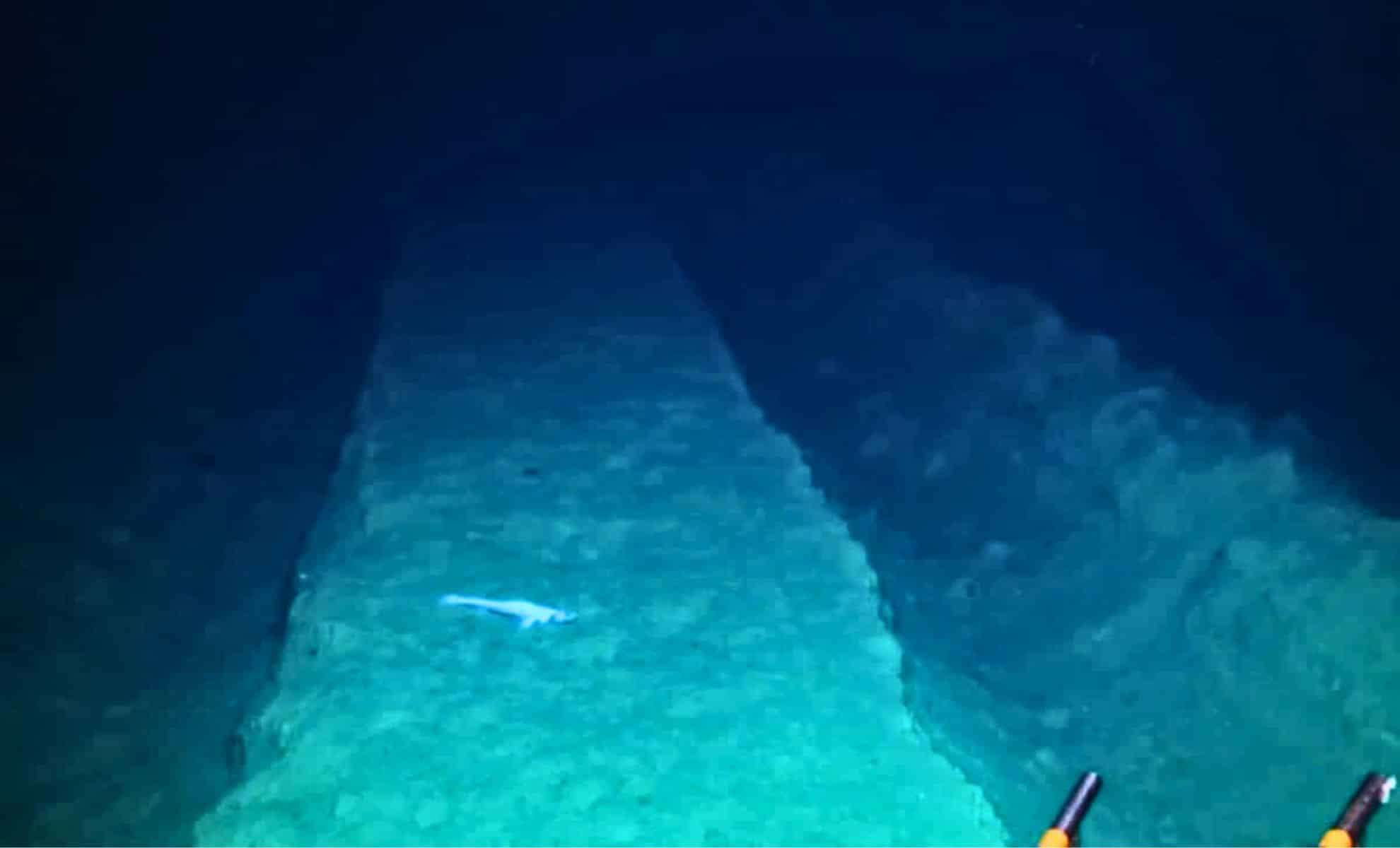
In March 1979, a 9-meter-wide experimental mining vehicle traversed the Clarion–Clipperton Zone (CCZ) in the eastern Pacific Ocean, a region now at the forefront of debates on deep-sea mining. This trial aimed to explore methods for harvesting polymetallic nodules, vital resources containing nickel, cobalt, and manganese from the ocean depths. More than four decades later, the ocean floor still bears conspicuous signs of this early mining test.
Researchers from the National Oceanography Centre (UK) and the Natural History Museum, London have recently reassessed the mining area, publishing their findings in Nature. Using a combination of historical records, modern underwater imagery, and sediment sampling performed in 2023, the team compared the disturbed site with nearby untouched seabed zones located about two kilometers away.
The findings reveal a striking reality: the physical damage inflicted by the mining apparatus remains plainly visible, and biological recovery has been patchy and notably sluggish. While some smaller organisms have repopulated the area, many larger, slow-growing species have yet to return. These insights come amid growing interest from various nations seeking commercial permits for mining within the CCZ, highlighting significant unknowns about environmental consequences.

Persistent Scars in the Ocean Floor Could Last for Centuries
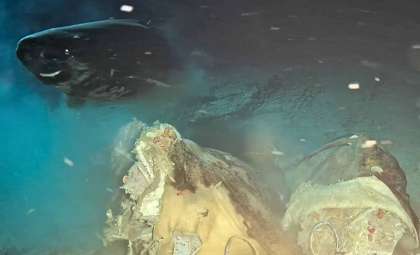
The 1979 operation, carried out by the Ocean Minerals Company (OMCO), employed a remote-controlled device with dual Archimedes screws for movement and a rotating rake to collect nodules. It created a winding path across approximately 0.4 square kilometers, disturbing sediment and removing nodules in its wake.
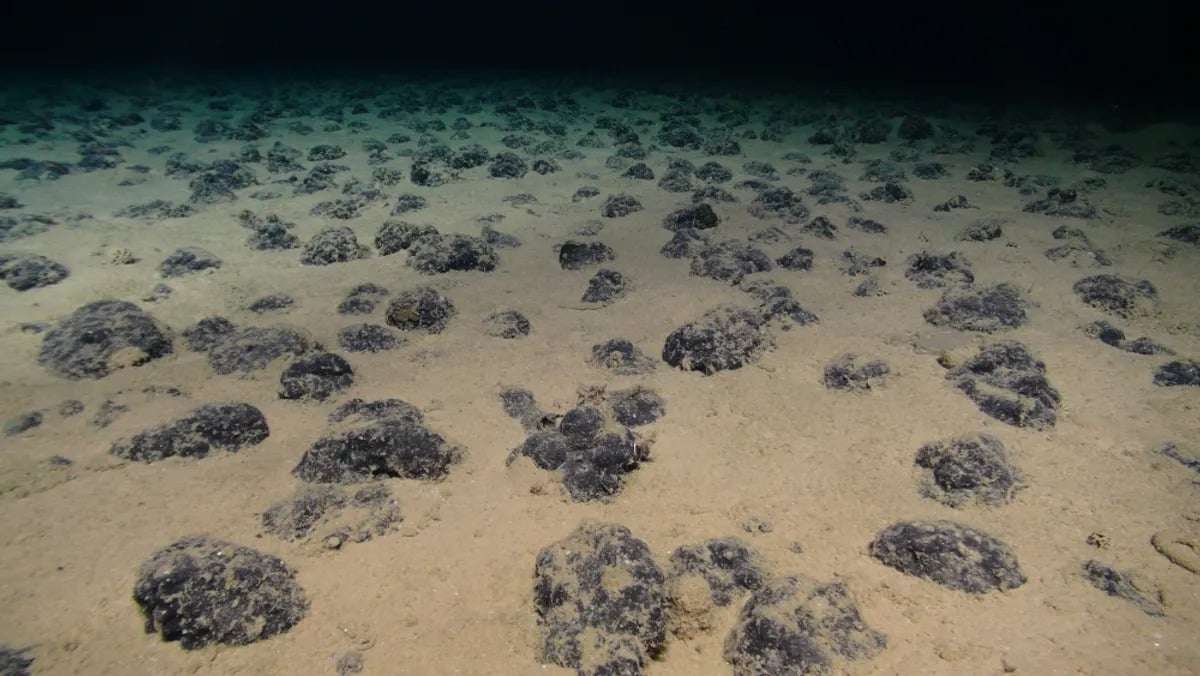
The study notes these gouges, measuring roughly 0.2 to 0.8 meters deep and up to 3 meters wide, look nearly identical today compared to photographs from the original test. This longevity is due to the glacial pace of sediment deposition at depths of about 4,000 meters—ranging between 1.5 and 11 millimeters per 1,000 years. Consequently, these imprints may significantly outlast many human-made structures on land.
Beyond the visible marks, analysis showed reduced organic carbon levels in the sediments disturbed by the mining equipment, implying shifts in microbial communities and geochemical conditions.
Some Species Have Returned, but Larger Organisms Lag Behind
Encouragingly, the investigation found a resurgence of small, mobile species, such as xenophyophores—large, single-celled creatures typical of deep-sea habitats. In sections of the mined track, these organisms reached densities of up to eight per square meter, indicating certain resilient species' ability to recolonize damaged zones.
However, the revival is incomplete. Stationary megafauna, including hexactinellid sponges and anemones, remain largely absent from mined areas. These species depend on hard surfaces, such as polymetallic nodules, for attachment, and their absence highlights the enduring impacts of nodule removal.
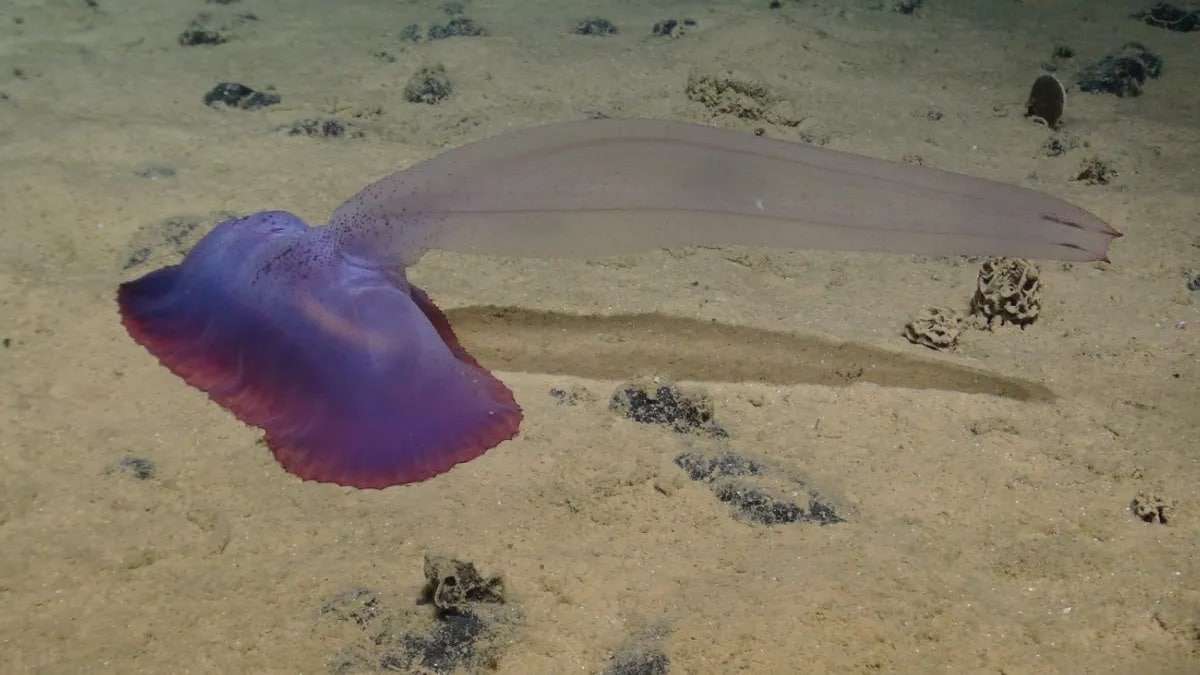
Overall, photographer-collected data over almost 6,000 square meters showed megafauna density in disturbed tracks was significantly lower—averaging 0.1 individuals per square meter compared to 0.33 in undisturbed locations.
This uneven recovery echoes findings from prior long-term studies like the DISCOL experiment in the Peru Basin, which documented extended ecological effects more than twenty years after disturbance. Importantly, this Nature paper delivers the first multi-decade ecological dataset from the CCZ itself, underscoring urgent concerns as mining plans progress.
Sediment Clouds Are Less Visible Now but Could Pose Risks with Future Mining
The 1979 vehicle also generated sediment plumes—fine particles suspended in water that settled on adjacent seafloor areas. Such plumes have raised environmental worries, as they can smother filter-feeding animals and alter seafloor chemistry over broad zones.
Surprisingly, the research team detected no visible sediment clouds in 2023, even within 10 meters of the disturbed path. Photogrammetry revealed a thin layer—about 10 millimeters—of sediment accumulated between nodules. Biologically, nearby areas showed increased densities of bryozoans, echinoids, and other megafauna, possibly benefiting from localized nutrient enrichment.
Despite these observations, sediment plumes remain a serious concern. The 1979 trial was a relatively minor disturbance, whereas anticipated commercial operations could span hundreds to thousands of square kilometers with heavier machinery, likely producing much larger and more widespread sediment dispersal.
- Categories:
- News





0 comments
Sign in to Comment