
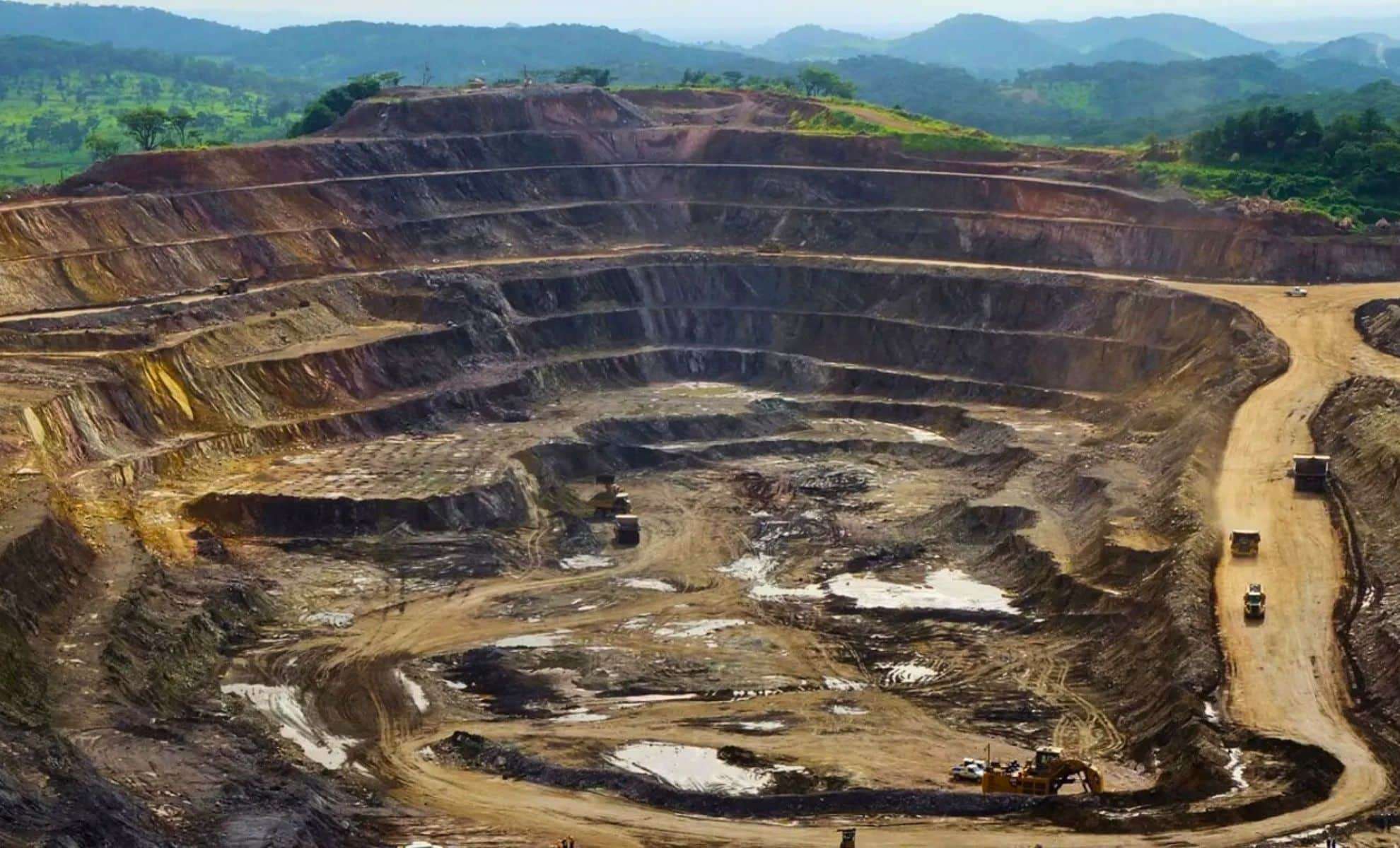
A significant transformation is taking shape in Africa’s management of its rich mineral reserves. The African Union (AU) has unveiled plans to establish a consortium of mineral-rich nations designed to enhance their negotiating power within the rapidly expanding critical minerals sector.
This announcement, revealed at a regional climate conference in Addis Ababa, represents an uncommon unified effort across the continent to govern its extractive industries—historically areas fraught with economic opportunity and outside interference. The AU aims to encourage “strategic and sustainable regional cooperation” and bolster domestic supply chains under the banner of Africa’s Green Minerals Strategy.
Key minerals such as cobalt, lithium, coltan, and rare earth elements are vital components for batteries, wind energy systems, and electric vehicles—the pillars of the global energy shift. Many of these minerals are abundantly located in sub-Saharan Africa, especially within the Democratic Republic of Congo (DRC), which accounts for over 70% of the global cobalt supply.

Despite this wealth, Africa has largely remained on the periphery of the green technology surge. The majority of its raw resources are exported without extensive processing, limiting economic benefits for local communities. The AU’s coalition aims to alter this dynamic.
An Essential Step Amid Rising Global Competition
The timing of this initiative aligns with trends highlighted by a 2023 International Energy Agency (IEA) report forecasting a potential fourfold increase in global demand for critical minerals by 2040, driven by ambitious decarbonization goals worldwide. This has intensified competition among global powers to ensure reliable access, with Africa playing a central role.
China’s leading position in mining and processing has prompted concerns in Washington and Brussels, fueling efforts to diversify mineral sources. For example, the US government recently partnered with the DRC to access copper and cobalt resources in a bid to reduce dependence on Chinese dominance over vital battery materials.
“The current global order rewards control over processing and trade, not just resource ownership,” says Dr. Linda Mbutu, an energy economist at the University of Nairobi. “Africa has the minerals, but not the leverage. A unified coalition could shift that balance.”
The AU’s initial declaration indicates the coalition will emphasize industrialization, including local refining and manufacturing operations, although specific policy details remain undisclosed.
Funding Challenges Cast a Shadow
Despite its vision, the coalition confronts significant obstacles — foremost among them are financing gaps. African countries have historically faced shortages in investments for infrastructure, technological advances, and skilled labor training, issues complicated further by high debt and climate threats.
The AU has appealed to developed countries to fulfill their longstanding climate finance promises. At the 2023 COP29 summit in Azerbaijan, wealthy nations committed to delivering $300 billion annually to support climate adaptation efforts in developing regions.
Nonetheless, a joint study by Oxfam and the Intergovernmental Authority on Development (IGAD) revealed that eight East African nations collectively received a mere $1.7 billion per year in actual climate aid from 2013 to 2022—just 4% of their assessed requirements.
Simultaneously, climate impacts continue to disproportionately affect African countries, despite their minimal role in global emissions. The AU’s climate statement reaffirms the need for “climate justice”, emphasizing fair recompense and control over green resources.
“People forget that minerals like cobalt and lithium are not just industrial inputs—they are Africa’s leverage in the 21st century,” says Mahamoud Ali Youssouf, Chair of the AU Commission.
Maintaining Unity Amid Divergent Interests and External Pressures
Even as the coalition projects unity, internal disagreements pose a challenge. Some major producers, including the DRC and Zimbabwe, currently enforce individual export controls or quota regulations. Others, such as Nigeria and Mozambique, prioritize oil and gas sectors over mineral-based industrialization. Harmonizing these diverse national priorities into an effective collective plan will be complex.
Additional threats include instability in key zones—ongoing conflicts in eastern DRC threaten to disrupt mineral supply chains and deter investment. The coalition’s success will rely on developing concrete governance measures such as regional price coordination, shared refining facilities, and pooled investment mechanisms.
“Even if the coalition doesn’t function like OPEC right away, it signals that Africa is no longer content to be the global quarry,” says Dr. Jean-Benoît Mallet, policy analyst at the OECD Development Centre.
Despite these hurdles, experts suggest the initiative can yield substantial results from the outset by encouraging collaboration and amplifying Africa’s influence in global mineral markets, potentially rebalancing entrenched power dynamics.
- Categories:
- News










0 comments
Sign in to Comment