
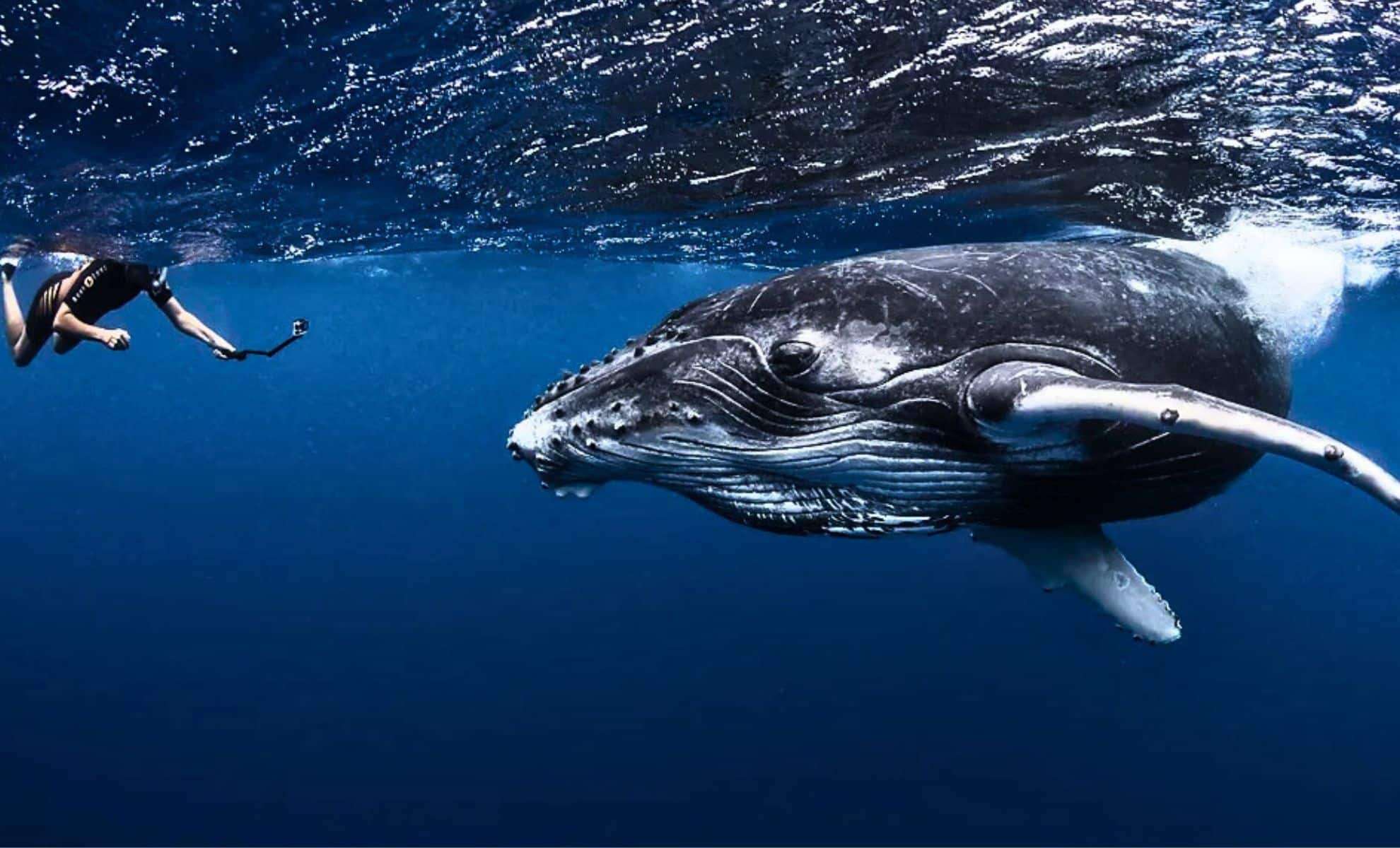
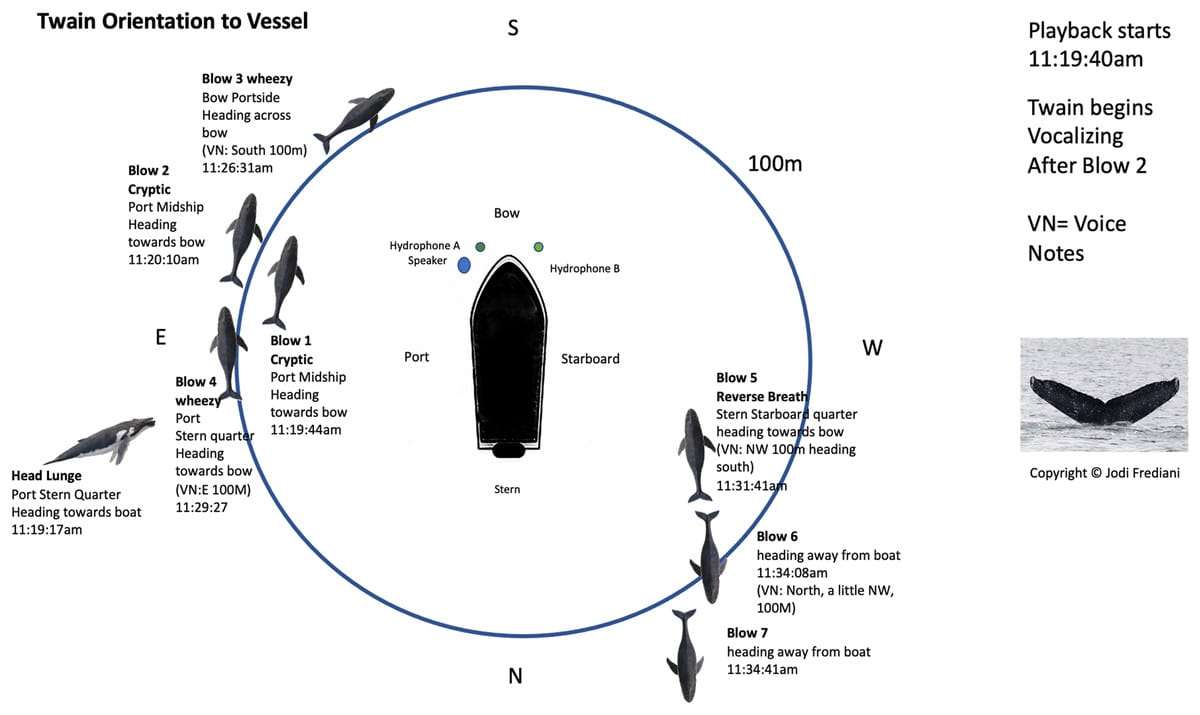
In a groundbreaking scientific achievement, a research team has successfully established a sustained 20-minute exchange with humpback whales, potentially transforming our perception of animal cognition. Off Alaska’s coast, Dr. Brenda McCowan from the University of California, Davis, spearheaded this initiative using sophisticated artificial intelligence (AI) to interpret and mimic the elaborate vocal signals of a humpback whale named Twain.
Unlocking the Communication Code of Humpback Whales
This milestone was unlocked through advanced AI methods, including pattern detection algorithms and specialized underwater audio capture devices. These enabled scientists to decode the complex whale songs that had long evaded full comprehension. The adult female whale, Twain, actively engaged by responding to playback of her calls with structured sequences, resembling a form of communicative interaction akin to human conversations.
The AI framework uncovered language-like features such as grammar and ordered vocal patterns within the whale songs—an unprecedented finding among non-human communicators. This discovery suggests that humpback whales might utilize a complex communication system with similarities to human language frameworks.

Examining the Cognitive World of the Ocean Giants
Humpback whales are admired not only for their massive physiques—reaching up to 60 feet and weighing 40 tons—but also for their extensive migration routes. Their lengthy songs, sometimes lasting nearly 30 minutes, have remained a subject of deep fascination within marine science.
The interaction with Twain provided striking confirmation of these whales’ advanced mental capacities. Researchers have long recognized whales’ social sophistication, yet this direct communicative exchange reveals their potential to process information through complex vocal behavior comparable to that seen in other intelligent species.
Broader Impact: From Marine Life to Extraterrestrial Intelligence
This landmark discovery has implications beyond oceanography. Dr. Laurance Doyle of the SETI Institute views this as a pivotal advance toward recognizing intelligent communication across species, potentially aiding the search for signals from alien civilizations. Understanding whale vocal complexity could refine how scientists detect and interpret extraterrestrial transmissions.
By studying these intricate sound patterns, researchers are exploring parallels that might exist in cosmic messages, enhancing techniques that could one day reveal extraterrestrial intelligent life.
Ethical Dimensions of Human-Whale Communication
This breakthrough prompts important ethical discussions. While engaging with intelligent marine species through AI is remarkable, concerns exist about interfering with natural behaviors. Artificial interaction might influence whales’ social structures and migration routes, potentially disturbing ecosystem dynamics.
Conversely, advocates highlight the benefits for conservation, suggesting that grasping whale communication could lead to improved strategies for safeguarding these majestic ocean dwellers. As AI advances, balancing technological progress with ethical responsibility remains essential.
- Categories:
- Science













0 comments
Sign in to Comment