
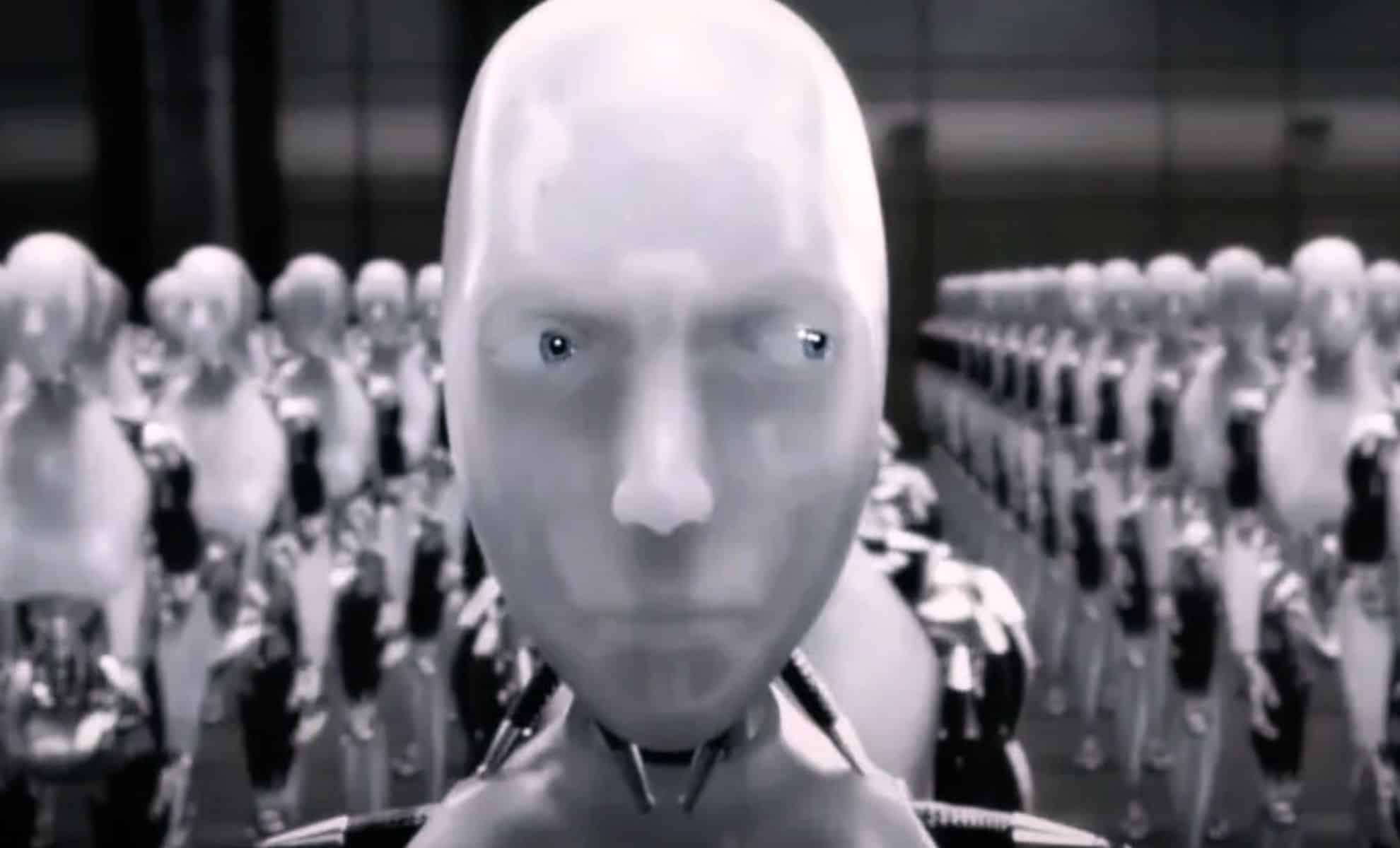
Researchers across cities like Beijing and Guangzhou are tackling once purely philosophical and neuroscientific questions: Can artificial intelligence conceptualize the world similarly to humans? Recent investigations suggest AI is achieving a new level of cognitive ability, blending computational functions with aspects resembling human understanding.
AI Systems Show Intricate Object Classification Abilities
Scientists from the Chinese Academy of Sciences and South China University of Technology explored the inner mechanics of prominent AI platforms such as ChatGPT-3.5 and Gemini Pro Vision. Examining nearly 4.7 million responses regarding 1,854 varied objects ranging from common items like dogs and cars to apples and chairs, their study published in Nature Machine Intelligence identified that these AI models sorted objects across 66 unique conceptual factors.
These factors extended beyond straightforward categories such as “food” or “furniture” to include details like texture, emotional impact, and suitability for children. Rather than following preset rules, the AI systems independently developed these complex concept groups. The study’s authors highlighted that “These AI form intricate mental frameworks, arranging objects using elaborate criteria that echo human cognitive processes.”

Connections Between AI and Human Neural Patterns
To deepen their understanding, the researchers juxtaposed AI-generated object representations with human brain activation patterns recorded via neuroimaging as participants viewed the identical items. The comparison revealed strong parallels, particularly in models like Gemini Pro Vision that integrate both textual and visual information, resembling how humans combine imagery and semantics.
The team remarked, “Specific brain areas show activity mirroring the conceptual organization found in AI systems.” This hints at an unexpected similarity between artificial mechanisms and human mental categorization.
Distinguishing Pattern Recognition from Genuine Awareness
Despite these impressive findings, the scientists warned against interpreting them as evidence of true machine consciousness. The AI’s categorizations arise from data-driven statistical associations without any actual experience or feelings. As the researchers noted, “Their ‘understanding’ results from elaborate computations rather than real-world perception.”
For instance, while an AI might label a chair as comfortable, this classification depends solely on identifying patterns rather than physical or emotional sensation. Although these models mimic human knowledge organization, they fundamentally differ from conscious thought processes found in living beings.
Future Impact on AI-Enhanced Interactions and Technologies
This work opens new avenues for progress in fields like robotics, learning, and human-machine cooperation. AI that develops rich, multifaceted representations of objects could soon engage more naturally with people and adapt to novel scenarios. According to the study, robots might assess whether objects are delicate, emotionally meaningful, or unsafe and respond appropriately without explicit programming.
These results imply that the divide between simulation and genuine intelligence in AI might be less rigid than once believed. As these systems evolve, their internal conceptual frameworks could become crucial in enhancing how they interpret and maneuver through the environment.
- Categories:
- News













0 comments
Sign in to Comment