
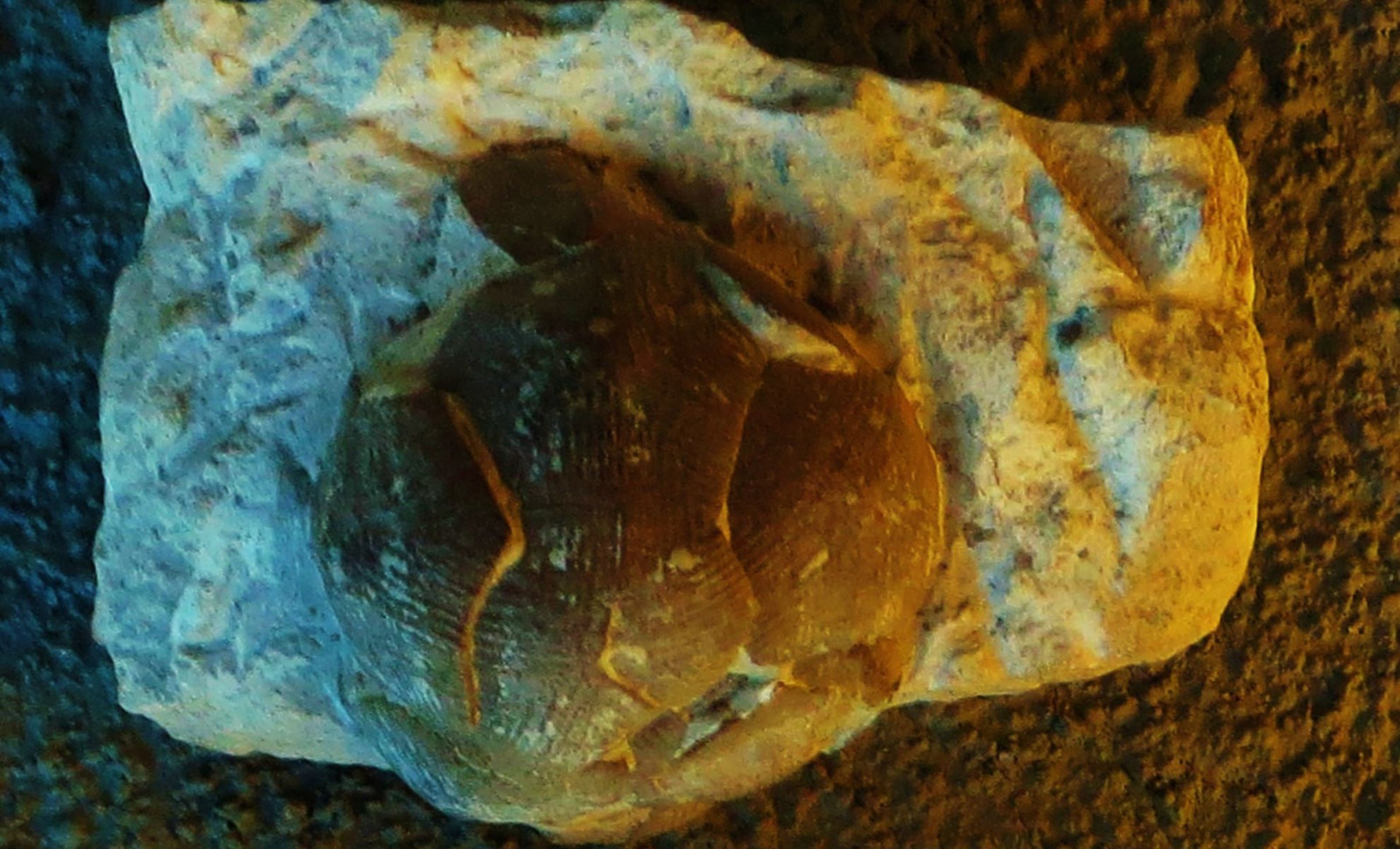
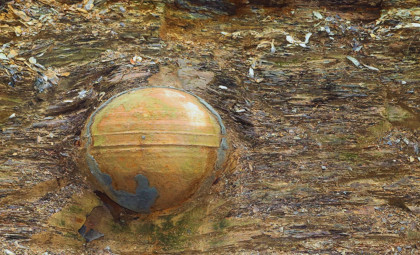
Researchers studying marine fossils dating back 80 million years have discovered remarkable spherical formations that exhibit a surprisingly contemporary design. These intricate structures, reminiscent of carbon-based molecular shapes, might have played a key role in helping ancient marine organisms thrive in perilous oceanic conditions.
Crinoids, close relatives of starfish and sea urchins, have existed for hundreds of millions of years. Their skeletons are formed by intricately interlocking calcite plates, a characteristic that provides valuable insights into the paleoenvironments they inhabited.
Published in Palaeontology, recent studies of two extinct crinoid species, Marsupites testudinarius and Uintacrinus socialis, reveal notably rounded skeletal configurations. These notable shapes not only catch the eye but likely served important functions in ecosystems shaped by intense predation and competition.

Geometries Resembling Molecular Fullerenes Found in Fossils
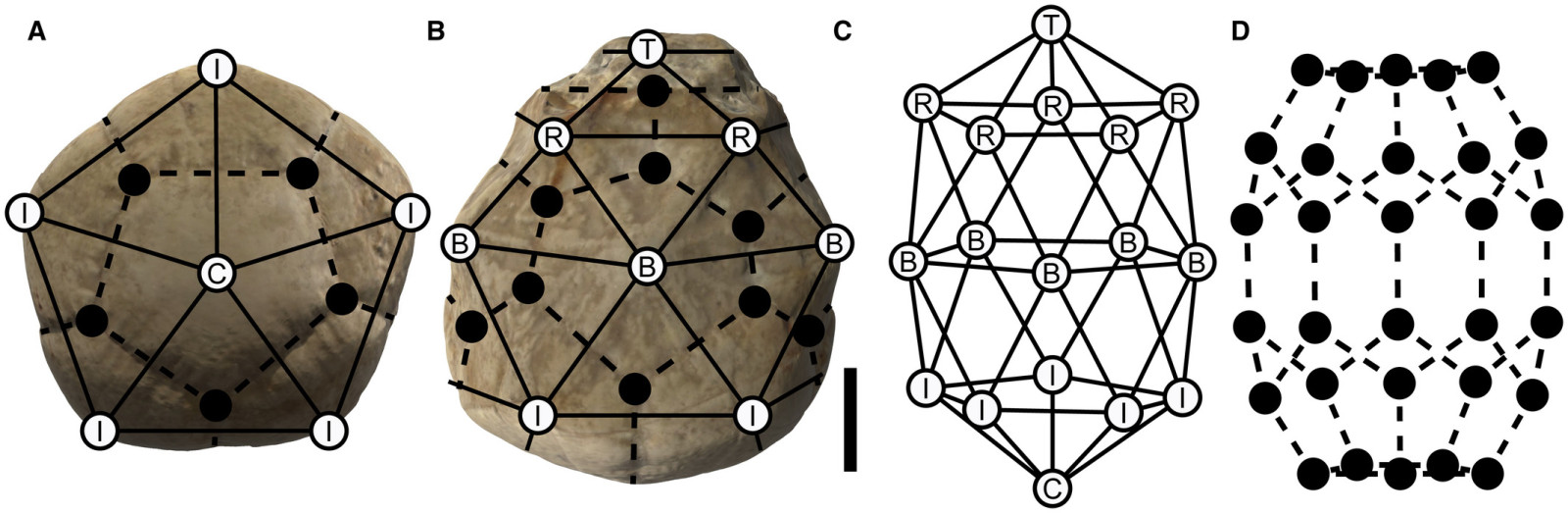
A striking aspect of these findings is the geometry of the fossils. The specimens display spherical patterns comparable to the well-known fullerene and fulleroid molecular frameworks identified in chemistry. Dr. Aaron Hunter from both the University of Western Australia and the University of Cambridge notes that such formations have never been documented in fossil records before. The plates' assembly into nearly perfect spheres draws parallels to buckminsterfullerene molecules.
“The structures are also found in the carbon molecule buckminsterfullerene but this is the first time we have found such a structure in fossils and it still remains a mystery why these successful structures did not evolve again.”
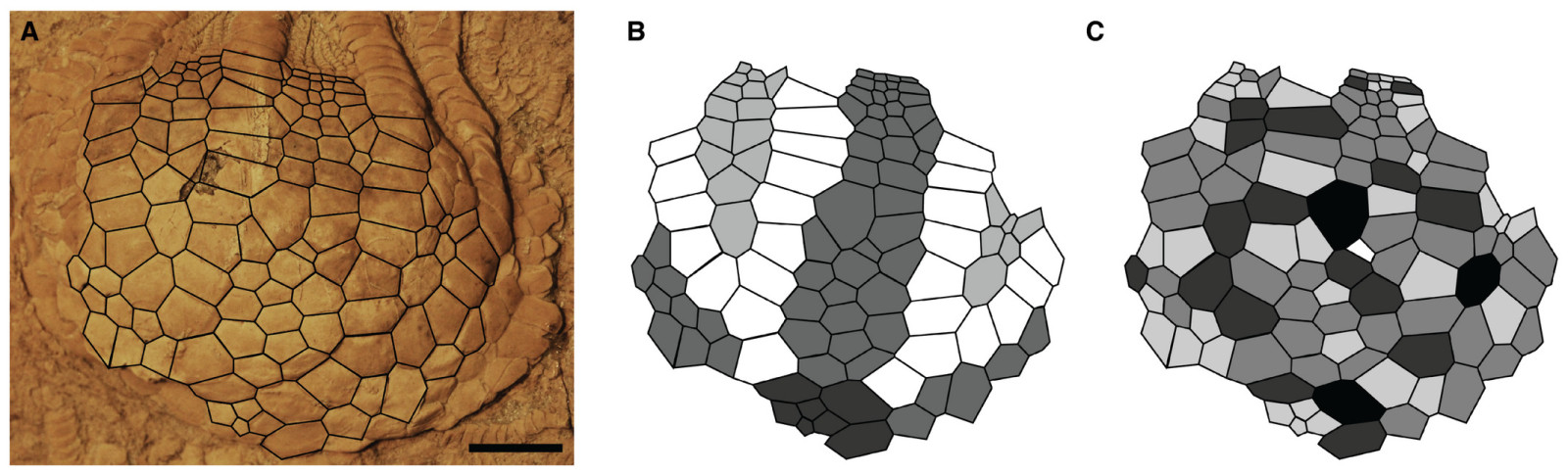
In the species Marsupites testudinarius, fewer but larger plates generate a robust and steady form. Conversely, Uintacrinus socialis features numerous smaller plates creating a more intricate dome shape. Despite differing strategies, both yield a comparable overall spherical configuration.
Adaptations for Predator Protection
The Cretaceous era's shallow seas teemed with threats such as predatory fish and crabs, exerting constant evolutionary pressure on marine animals. As Dr. Hunter explains:
“Crinoids were in a very dangerous place millions of years ago when the oceans were shallower and they shared them with predators such as crabs and fish,” he said. “Survival was critical and the ball-like structures, able to withstand very heavy loads, formed around them to protect them from the harms of the ocean and aid buoyancy.”
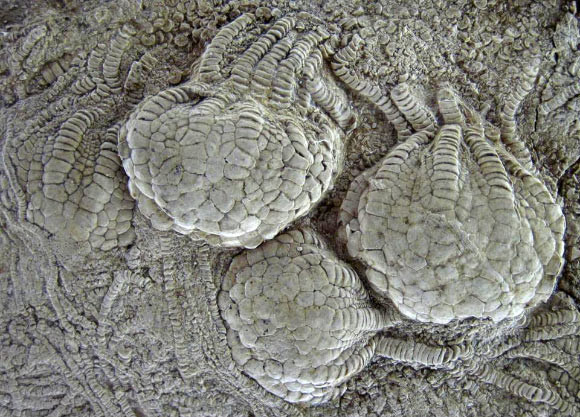
These spherical formations likely provided dual benefits: structural protection against physical stress and assistance in buoyancy management. This adaptability might have enabled these organisms to remain anchored to the sea floor or drift when circumstances required.
A Rapidly Distributed Yet Vanishing Design
The study published in Palaeontology highlights that these spherical crinoids were not confined to a single locale. Fossils have been uncovered in chalk deposits spanning Texas to Western Australia’s Kalbarri region, indicative of their broad geographical range across ancient seas.
“These animals could form a snowshoe to sit on the bottom of shallow oceans or float and relocate to safer places,” added Dr. Hunter.
Despite the apparent advantages of this spherical skeletal design, it abruptly disappears from the fossil record. The research team emphasizes that related formations are absent in later species, leaving scientists puzzled as to why such an efficient structure vanished over time.
- Categories:
- Science







0 comments
Sign in to Comment