
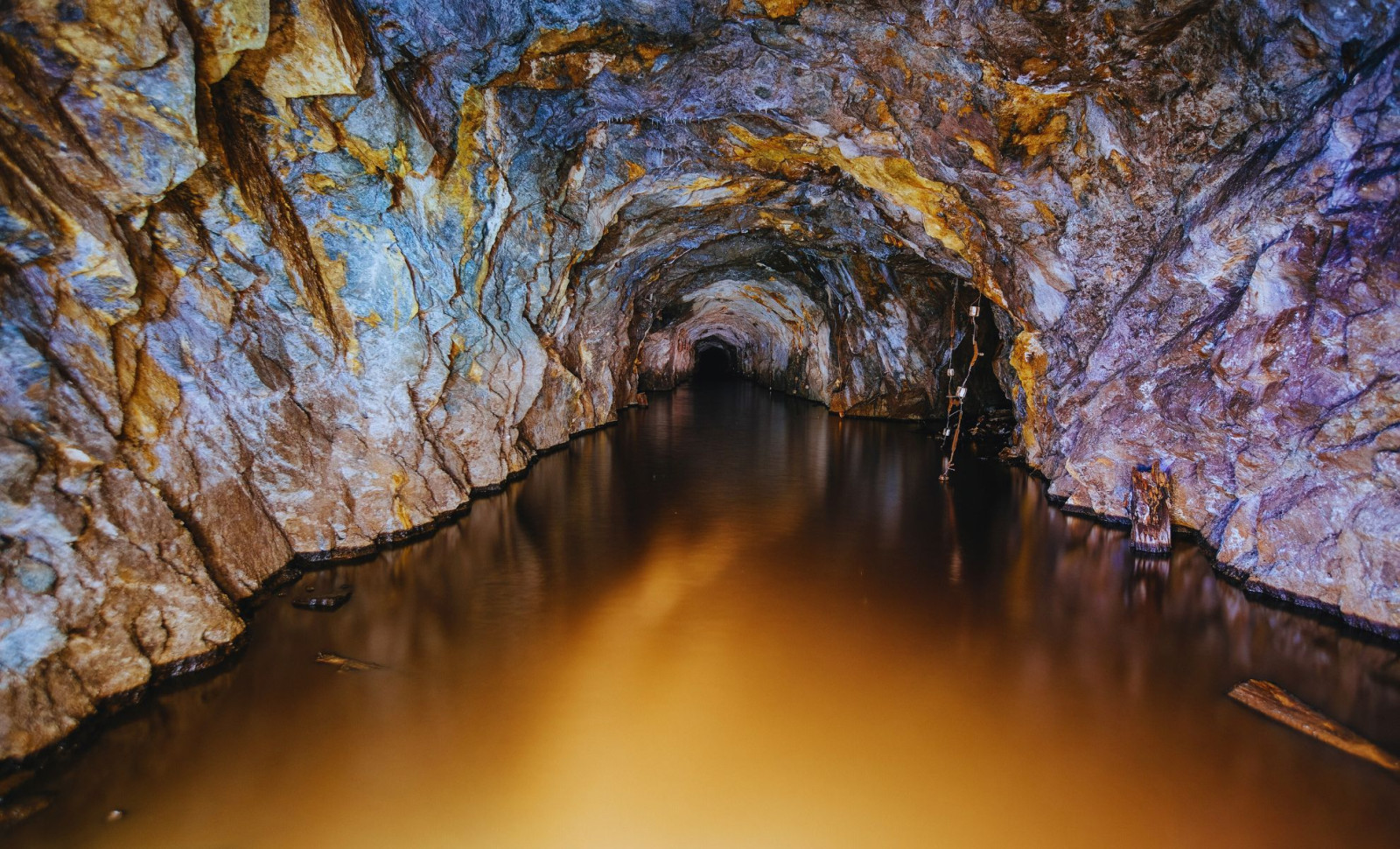
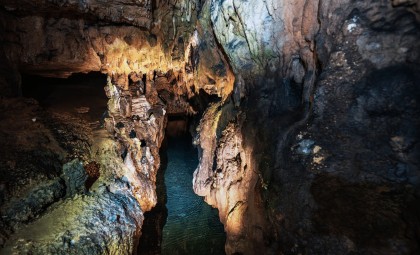
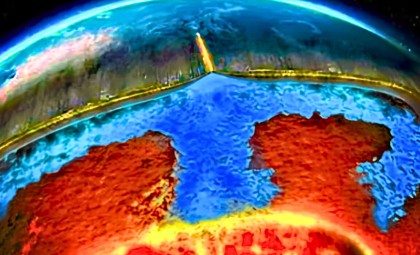
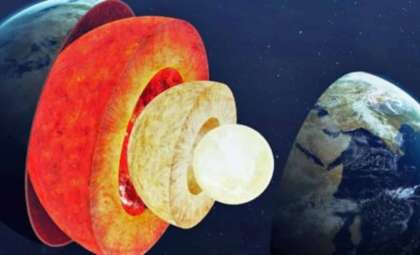
Researchers have uncovered groundwater from an astonishing 1.2 billion years ago within the Moab Khotsong gold and uranium mine, nestled in South Africa's Witwatersrand Basin. This water, located nearly 3 kilometers under the Earth's surface, contains the highest-ever levels of radiogenic substances recorded in subterranean water.
This ancient water provides a unique glimpse into the isolated underground environment, untouched for billions of years. The abundant radioactive minerals such as uranium and thorium have helped the water develop unique radiogenic chemical signatures over time.
Subsurface Energy and Microbial Life
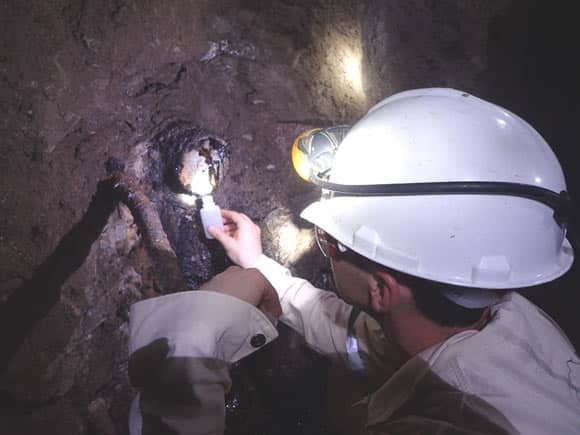
Published in Nature Communications, the study highlights the significance of this groundwater in understanding deep Earth ecosystems where sunlight cannot penetrate. Dr. Oliver Warr from the University of Toronto explains that radiogenic decay in surrounding rocks splits water molecules via radiolysis, generating hydrogen—a key energy source for microbial communities thriving in darkness. Elements like uranium, thorium, and potassium induce these crucial chemical reactions.

“Since the radiogenic reactions produce both helium and hydrogen, we can not only learn about helium reservoirs and transport, but also calculate hydrogen energy flux from the deep Earth that can sustain subsurface microbes on a global scale.” Dr. Warr explained.
Examining such isolated environments could shed light on the possibility of microbial life existing on planets where sunlight is similarly absent.
Tracing Subterranean Processes
The groundwater from Moab Khotsong is abundant in rare noble gases like helium, neon, argon, and xenon, all generated via radiogenic decay. Notably, researchers detected krypton-86, a unique tracer that offers unprecedented insights into the subsurface reactions. These gases play a crucial role in revealing how energy and materials circulate within the Earth’s crust. Helium and neon, due to their small atomic masses, have the ability to diffuse through solid rocks, acting as indicators of how energy moves from deep within the planet.
The study indicates that gases like helium and neon gradually travel upward through rock layers despite the extreme isolation barrier. Scientists estimate that between 75% and 82% of these radiogenically produced gases have migrated through the crust surrounding the water.
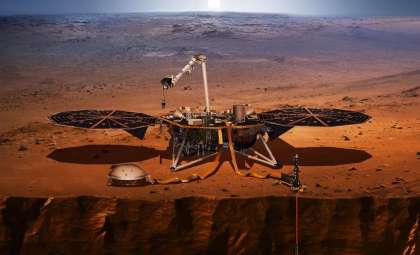
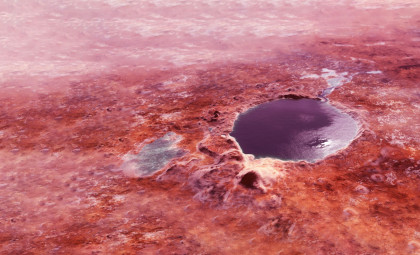
“As long as there is water and rock, you’ll see the production of helium and hydrogen — and that doesn’t necessarily mean this has to be taking place only on Earth,” Dr. Warr said. “If there is water on the subsurface of Mars or any other rocky planet, helium and hydrogen could be generated there too, leading to yet another energy source.”
Exploring Life Beyond Earth
The discovery that deep Earth systems can support microbial ecosystems without relying on sunlight suggests that planets or moons with similar underground habitats, like Mars or Titan, might also host life beneath their surfaces, even if conditions above remain hostile. As Dr. Warr emphasized:
“These calculations are vital for understanding how subsurface life is sustained on Earth, and what energy might be available from radiogenic-driven power on other planets and moons in the Solar System and beyond.”
By gaining insight into how subsurface life is fueled here on Earth, researchers can better prepare for missions to worlds such as Titan and Enceladus, where environmental conditions may parallel those deep within our planet’s crust. This work illuminates how radiogenic processes have influenced ancient underground ecosystems over geological timescales.
- Categories:
- Science



0 comments
Sign in to Comment