
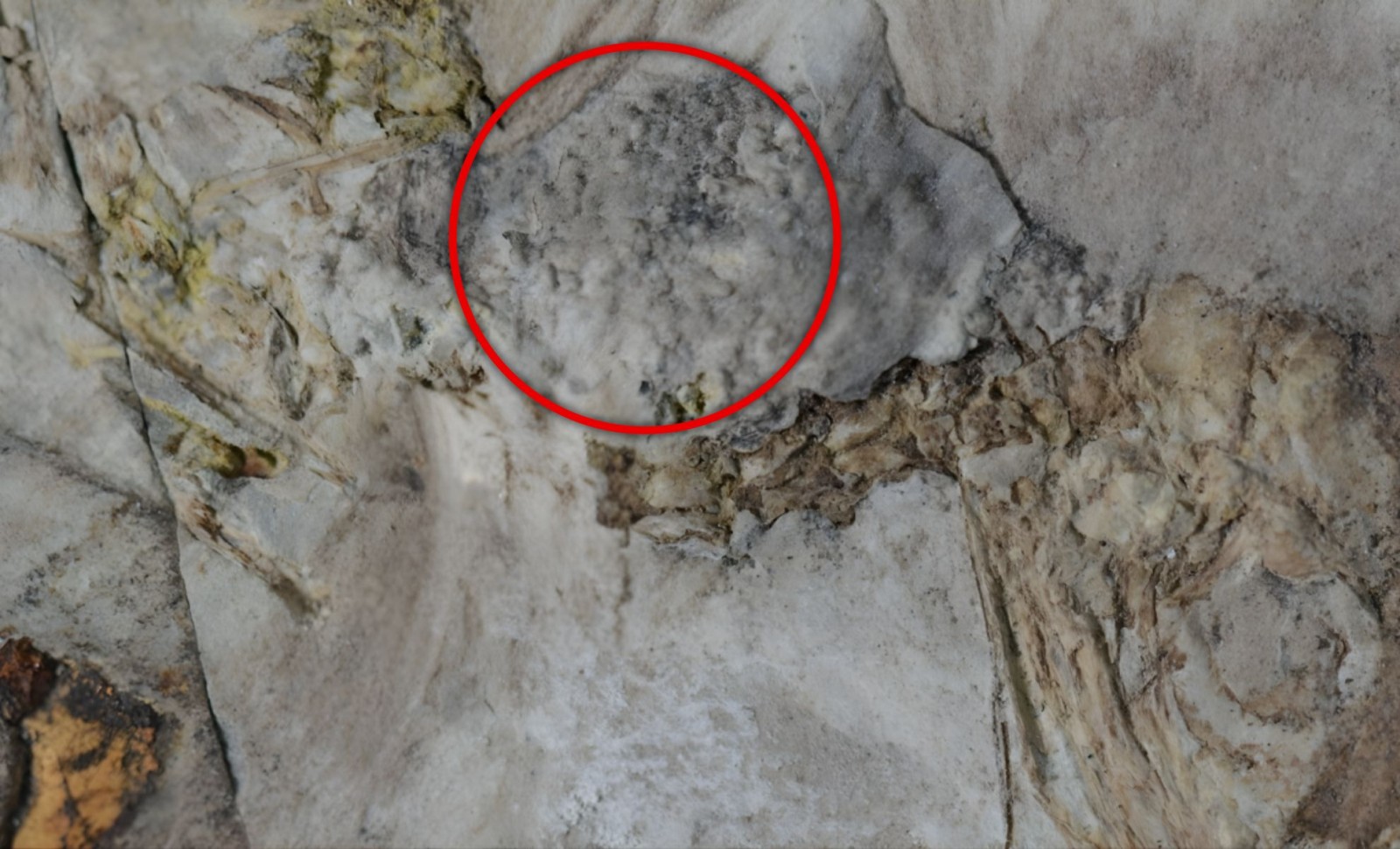
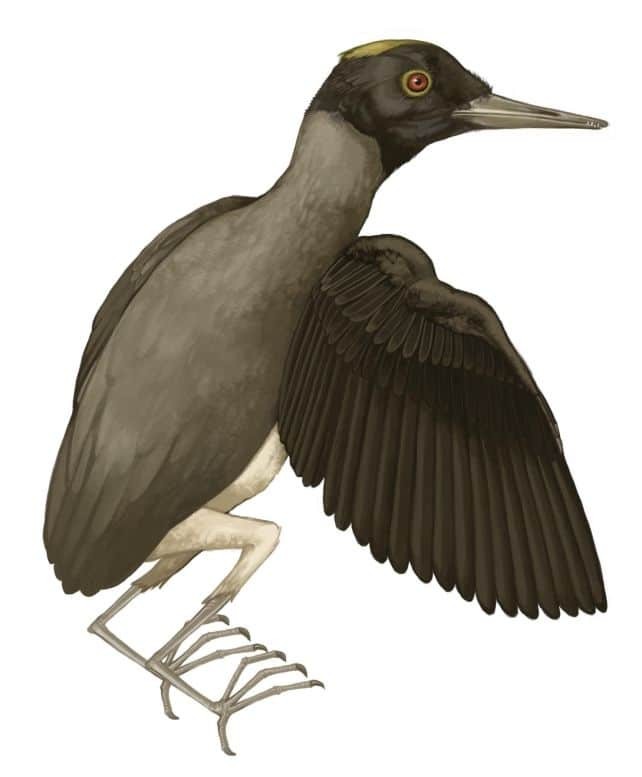
A fossil dating back 120 million years has presented scientists with a perplexing enigma: what led this bird species, named Chromeornis funkyi, to ingest more than 800 small stones lodged in its throat, ultimately causing its death? The unprecedented find continues to puzzle researchers trying to understand this unusual behavior.
The specimen was discovered by Dr. Jingmai O’Connor, an associate curator at the Field Museum in Chicago, who quickly recognized it as a previously unknown species. What surprised her most was not only the bird's unique features but also the dense cluster of stones trapped in its esophagus.
Unexpected Fossil Evidence
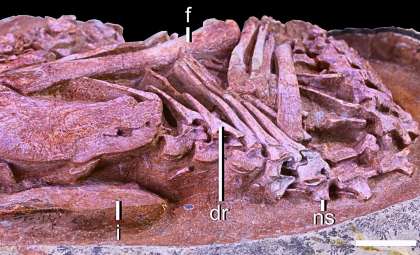
Upon examining the Chromeornis funkyi fossil, Dr. O’Connor realized the throat was packed with a large amount of minute stones. Initially, she hypothesized these were gizzard stones—small rocks birds and reptiles swallow to aid digestion. Yet, closer inspection showed these stones were positioned in the esophagus, rather than the stomach, which is atypical.

Moreover, the quantity—exceeding 800—was far beyond what would be expected for digestive purposes. Some of these were actually tiny clay pellets instead of actual stones, adding to the mystery.
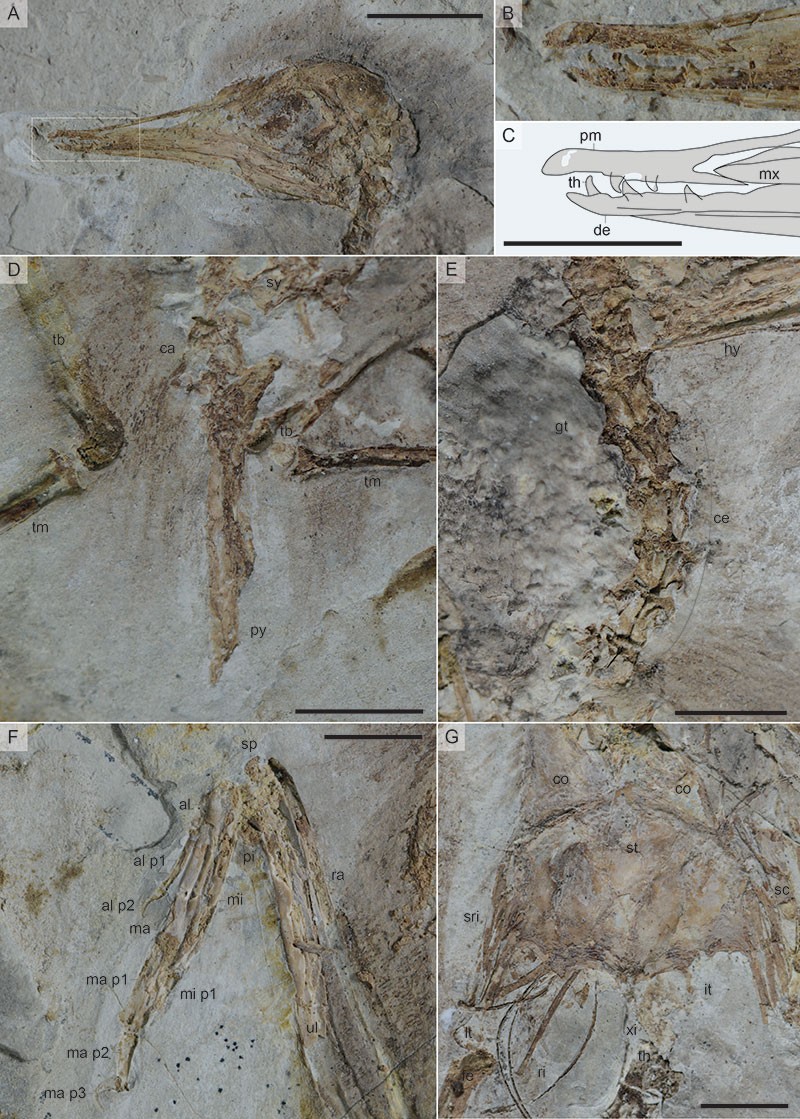
This strange assemblage provoked many questions for O’Connor and colleagues. Despite her extensive experience studying fossil birds, she admits encountering stones lodged in the throat is without precedent.
Insights into Avian Behavior
One possible explanation is that the bird ingested the stones during an illness. Modern birds sometimes ingest foreign objects or display irregular feeding habits when unwell. Behavioral anomalies like these might provide clues about the fossil bird’s condition.
“I noticed that it had this really weird mass of stones in its esophagus, right up against the neck bones,” noted O’Connor. “This is really weird, because in all of the fossils that I know of, no one has ever found a mass of stones inside the throat of an animal.”
Dr. O’Connor suggests the bird could have swallowed the stones while suffering from distress or sickness. The bird may have attempted to expel the stones by regurgitation, but instead, they became lodged and caused fatal choking.
This hypothesis is supported by other fossils showing death from conditions like egg binding, where an egg gets stuck and becomes lethal for the bird.
Uncommon Clues to Mortality in Fossils
While numerous fossils provide evidence about deaths caused by events such as volcanic activity or rapid sediment burial—like the iconic “fighting dinosaurs”—this fossil stands out as it directly links death to an internal, physical cause: the stones in the throat.
“It’s pretty rare to be able to know what caused the death of a specific individual in the fossil record,” said the paleontologist. “Learning about Chromeornis and other birds that went extinct could ultimately help guide conservation efforts today.”
- Categories:
- Science











0 comments
Sign in to Comment