
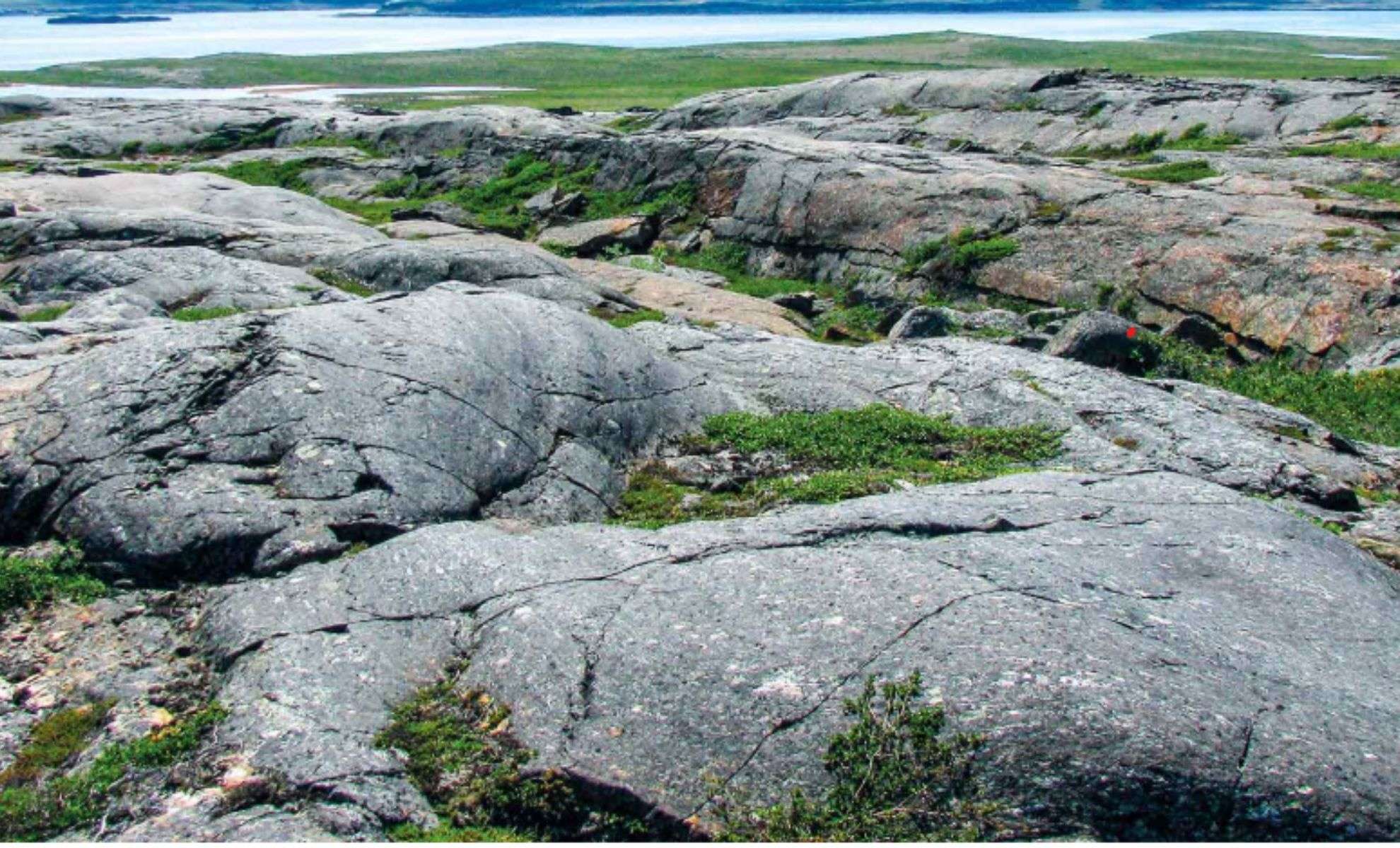
Researchers from Canada and France have unveiled compelling evidence pointing to the Nuvvuagittuq Greenstone Belt (NGB) in northeastern Canada as home to some of the planet’s oldest rocks, potentially dating back approximately 4.16 billion years.
Peering into Earth's Formative Hadean Period
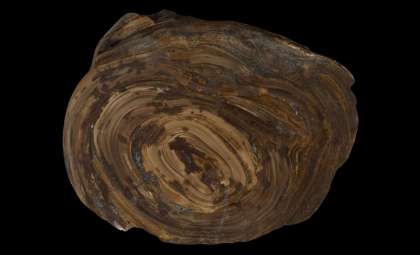
The Nuvvuagittuq Greenstone Belt is recognized as one of Earth's ancient geological structures. Until recently, scientists debated the precise ages of its rocks. New research published in Early Earth analyzed metagabbroic intrusions within the belt, suggesting these formations could be as old as 4.16 billion years.
Metagabbros are significant because they intrude older basaltic rocks, enabling sophisticated isotopic dating techniques. By examining the samarium-to-neodymium isotope decay, researchers established a minimum age for these rocks, firmly placing them in Earth's earliest crustal history.

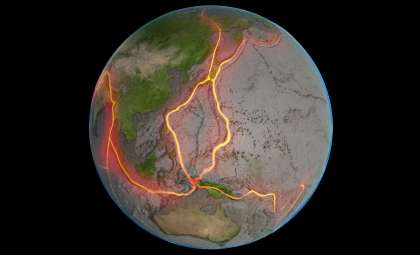
Although this revised age is somewhat younger than an earlier estimate of 4.3 billion years, it still supports the idea that the NGB preserves fragments of the planet’s primordial crust. Surface rocks older than 4.03 billion years—classified as Hadean—are exceedingly scarce due to tectonic recycling, making these discoveries invaluable for piecing together Earth’s early geological record.
Scientific Debate Over NGB’s True Age
Claims that some Nuvvuagittuq rocks may date back 4.3 billion years have sparked ongoing debate within geology circles. Critics point to potential alterations in isotopic signatures caused by subsequent geological events as a challenge to such ancient age assignments.
Some experts argue that mixing processes may have skewed the isotope data, raising questions about whether the rocks’ ages genuinely reach back to the Hadean or if they instead reflect younger contamination. Despite these uncertainties, the new analysis reinforces the possibility that the NGB contains rare Hadean materials. Jonathan O’Neil, a University of Ottawa professor and co-author, highlights that finding rocks over 4.03 billion years old is extraordinary, underlining the NGB's role as one of the few known vestiges of Earth's primordial crust.
The Role of Isotopic Analysis in Dating Ancient Rocks
To establish the age of NGB’s rocks, the scientific team relied on isotopic dating methods, which track the decay rate of certain isotopes—variants of elements distinguished by neutron count. By measuring the transformation of samarium isotopes into neodymium, the researchers determined the rocks are at least 4.16 billion years old.
While isotopic dating is a cornerstone of geochronology, the complexities involved in interpreting such ancient materials are underscored by the debates over NGB’s true age. Experts must carefully consider factors like geological alteration and isotopic mixing that can complicate age estimations of Earth's oldest rocks.
- Categories:
- News






0 comments
Sign in to Comment