
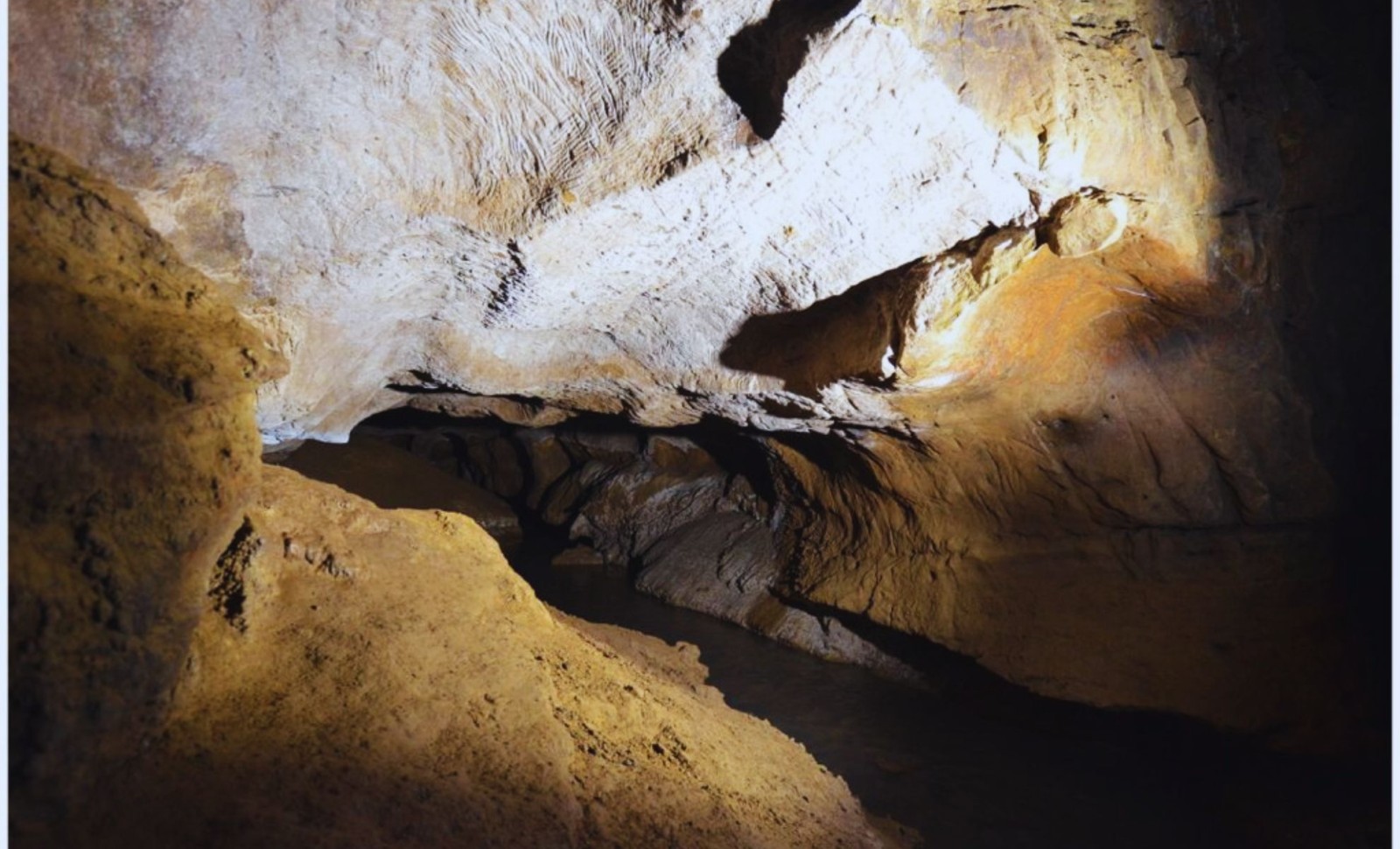
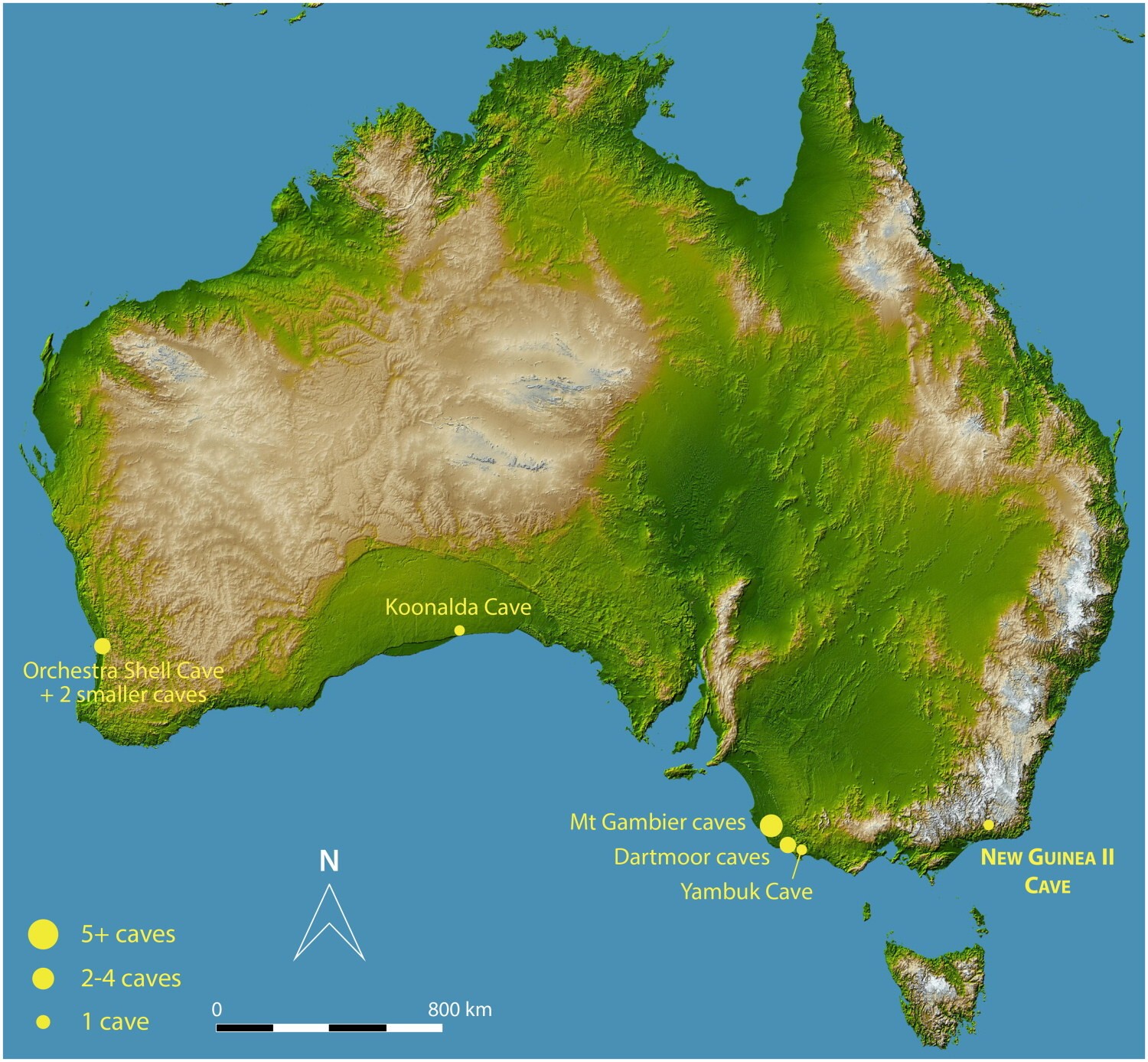
In the limestone caverns of southeastern Australia, researchers have identified hundreds of delicate finger markings known as finger flutings, left by the GunaiKurnai people over 8,000 years ago. These subtle traces, made by fingers gliding along the soft rock walls deep inside the hidden recesses of Waribruk Cave (also called New Guinea II), highlight the cultural and spiritual significance of the site to its original inhabitants.
Though Australian archaeologists have been aware of these finger flutings for many years, only recently have they applied advanced methods like 3D scanning and high-definition photography to meticulously record and analyze the cave artwork.
Exploring the Cave’s Depths
Published in the Australian Archaeology journal, the study explains that these finger drawings are located far from natural light sources, in parts of the cave only reachable by fire light. The presence of charcoal fragments near the marks supports this, suggesting the creators performed a ritual focused less on the images themselves and more on the act of touching these sacred cave walls.

“New Guinea II Cave is a rare example of an Australian limestone cave richly decorated with finger flutings,” explained the authors of the study. “It is, however, more than this, as it speaks specifically of the gestures of GunaiKurnai Old Ancestors for whom this and other caves on Country held, and hold, special meanings.”
A Global Cultural Phenomenon
While finger flutings are strongly associated with Indigenous Australian heritage, similar traces have been documented worldwide. Comparable markings appear in caves throughout Europe, some dating back as far as 40,000 years.
Within Australia, these finger flutings remain exceptionally well-preserved due to the stable environment inside the limestone shelters. Certain marks in Waribruk Cave may be as old as 30,000 years, although further analysis is underway to precisely determine their age.
“Recent methodological developments have enhanced our ability to record and analyze finger flutings in unprecedented levels of detail,” explained the researchers.
These finger impressions likely served a ceremonial purpose, distinguishing them from other rock art forms such as paintings or carvings. Unlike those permanent artworks, finger flutings represent ephemeral and intimate contact with the cave environment. Archaeologists are continuing their investigation of these subterranean spaces, employing cutting-edge technologies to uncover more insights into this ancient practice.
- Categories:
- Science







0 comments
Sign in to Comment