
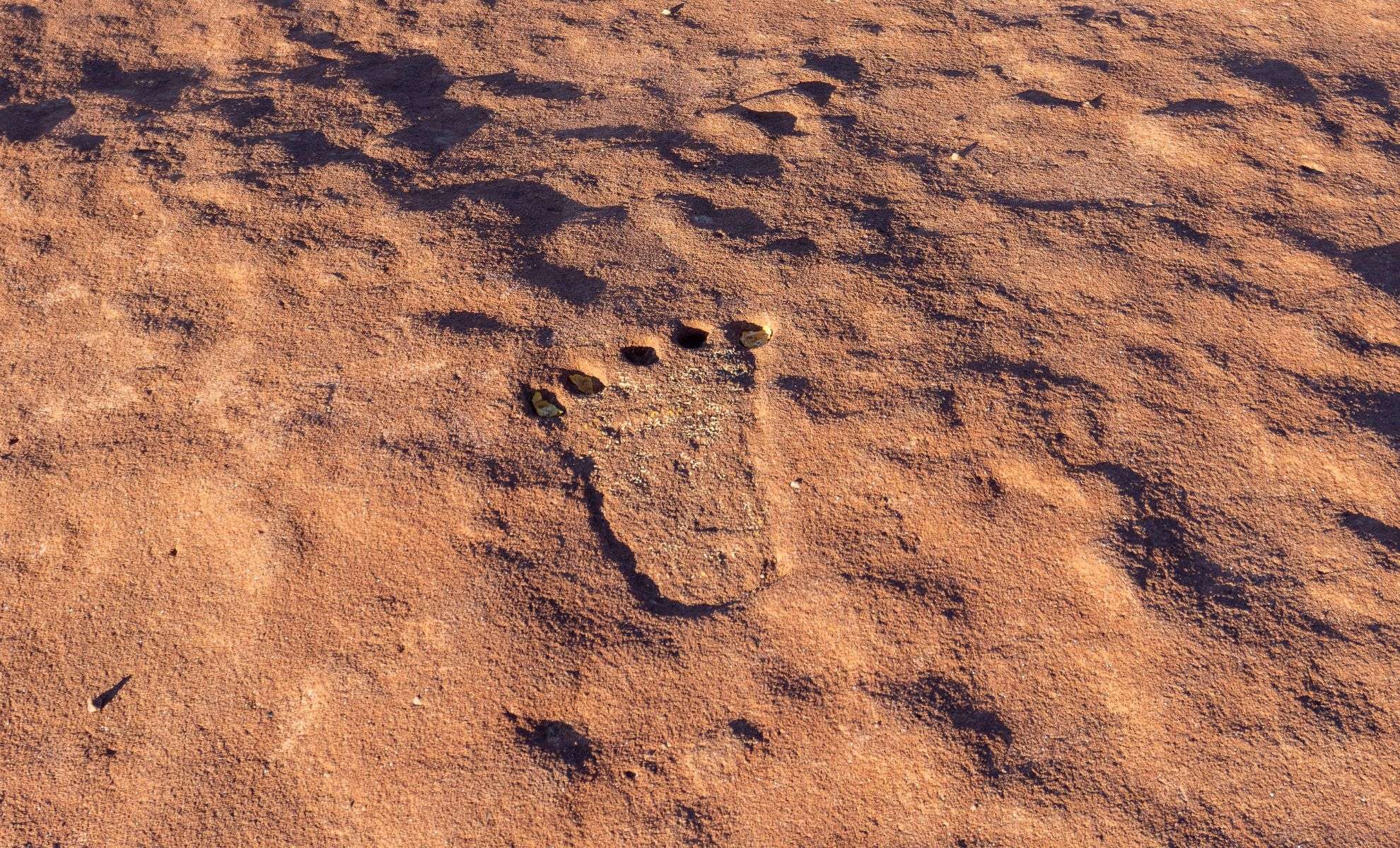
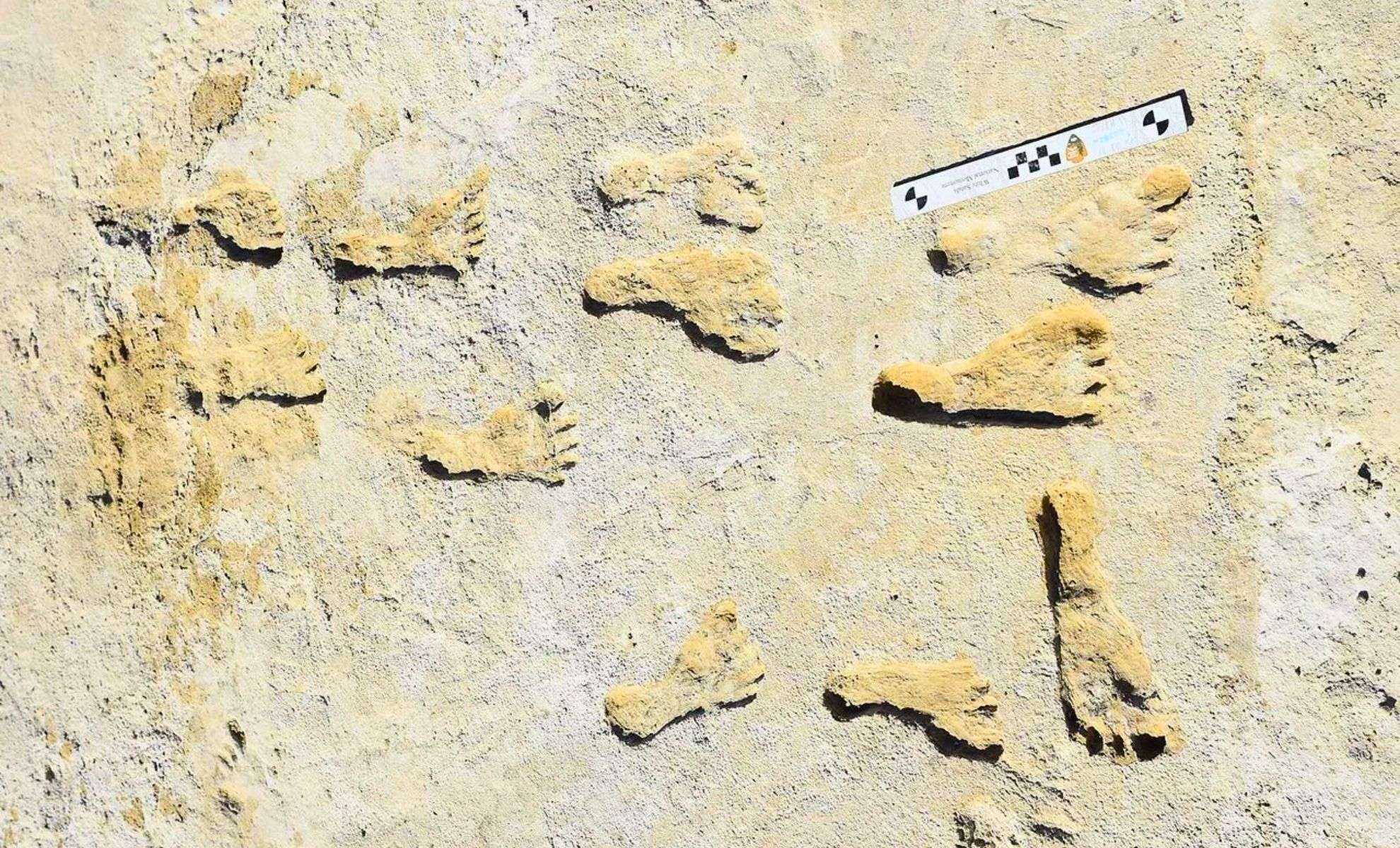
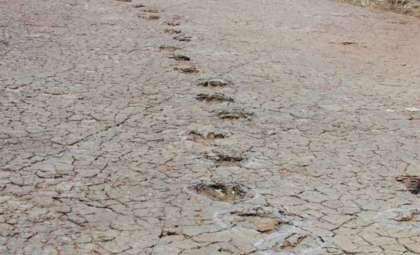
New research into prehistoric human footprints discovered in New Mexico provides compelling evidence that humans inhabited North America nearly 23,000 years ago, during the Last Glacial Maximum. This finding challenges the established timeline of human migration across the continent.
Featured in Science Advances, the study reevaluates fossil trackways initially reported in 2021. By corroborating earlier dating with fresh samples and independent laboratory evaluations, researchers argue the footprints precede the widely accepted Clovis-first migration model.
This discovery originated in 2019 when researchers from Bournemouth University alongside the U.S. National Park Service identified the prints in a desiccated lakebed within White Sands National Park. Earlier dating techniques, which relied on seeds and pollen, were questioned due to potential contamination from ancient aquatic plants.

Resolving Dating Disputes with New Evidence
To address skepticism surrounding prior dating methods, archeologist and geologist Vance Holliday spearheaded additional excavations during 2022 and 2023. Instead of plant remains, his team gathered clay samples from sediment layers housing the footprints.
These samples were analyzed by two independent laboratories, both producing consistent ages between 20,700 and 22,400 years ago. The results, published in Science Advances, align with prior pollen and seed analyses but exclude distortions caused by ancient carbon sources.
“We now have 55 radiocarbon dates from different materials, all pointing to the same period,” said Holliday.
The consistency among multiple dating techniques and diverse materials strengthens the evidence, making earlier doubts increasingly untenable.
Location and Environment of the Footprints
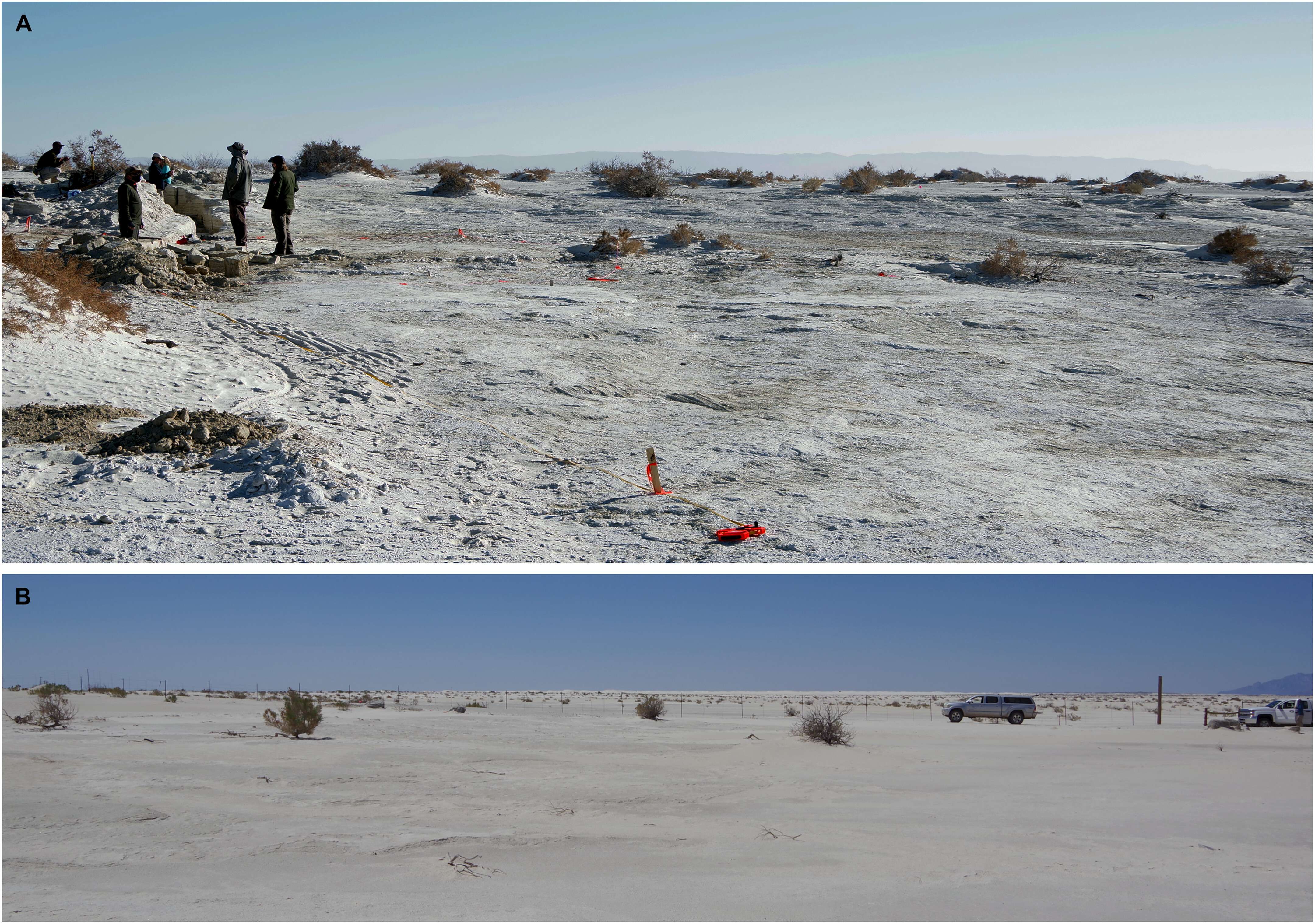
The tracks are preserved in fine-grained sediment that once formed part of a stream feeding Lake Otero, a vast Ice Age lake now replaced by the gypsum dunes found in White Sands. The U.S. National Park Service notes this area was much more hospitable during the Late Pleistocene compared to its current arid state.
Holliday has been mapping the geology of this site since 2012 and collaborated on both the 2021 and 2025 publications. The newly verified dates place the footprints firmly within a glacial epoch historically believed to be inhospitable to early humans.
Rather than isolated impressions, the trackways show deliberate movement across moist land. For PhD candidate Jason Windingstad, involved in the recent research, seeing the prints was profoundly impactful.
“It basically contradicts everything that we’ve been taught about the peopling of North America,” he said.
Footprints as Evidence Without Accompanying Artifacts
Some experts remain skeptical due to the lack of associated tools or cultural objects nearby. Critics maintain that without artifacts, the interpretation of these footprints is still somewhat conjectural.
Holliday countered this by noting that such evidence may be absent at transient locations.
“These people lived by theirartifacts, and they were far away from where they could get replacement material,” he explained, suggesting they would have been careful not to lose or discard them.
The study emphasizes that the timeline is grounded in the footprints and their geological context. While the site does not provide a comprehensive cultural picture, it stands as one of the strongest physical attestations of early human habitation in North America.
- Categories:
- News









0 comments
Sign in to Comment