
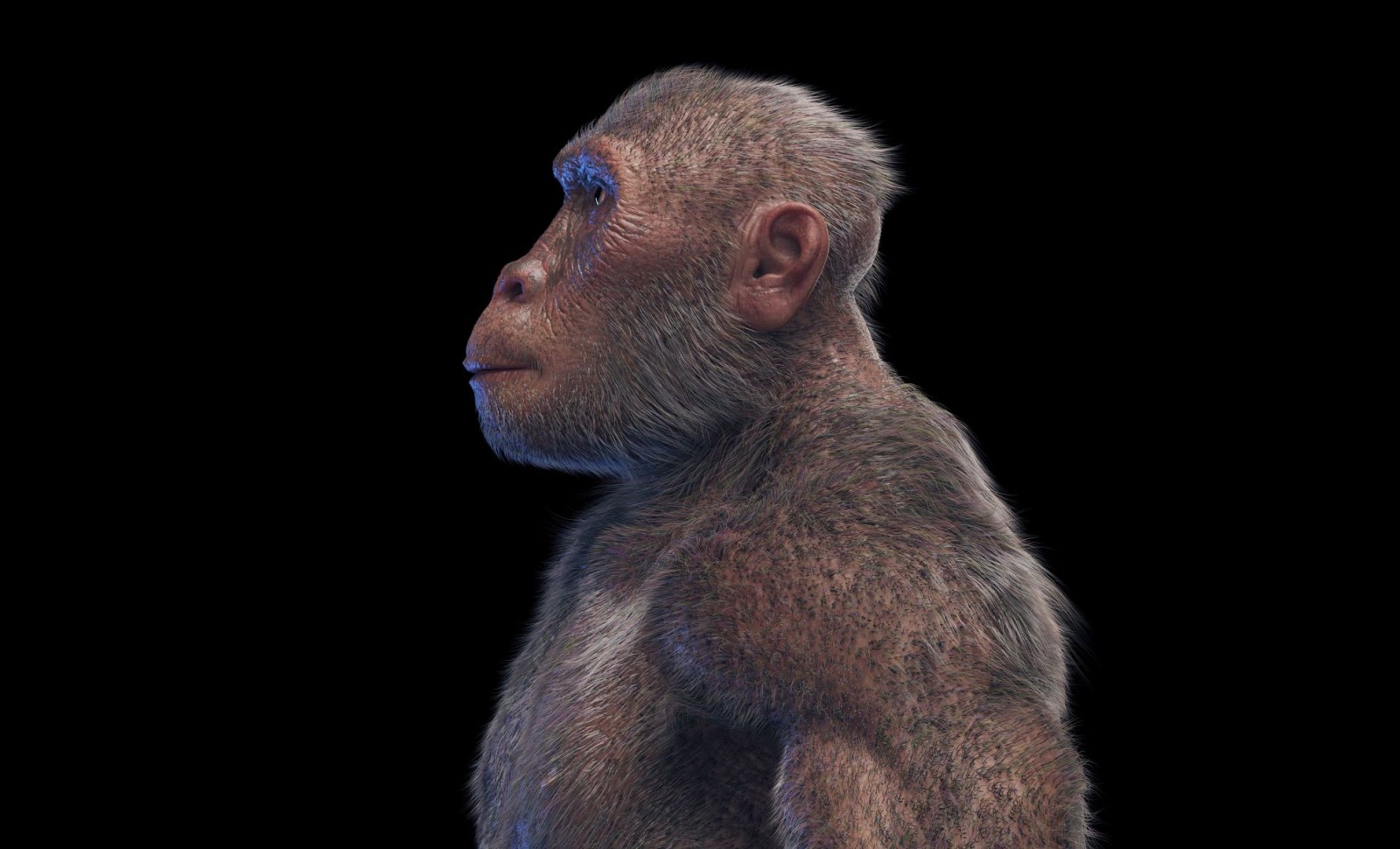
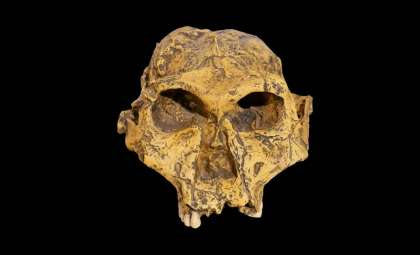
Researchers in Kenya have uncovered fascinating new fossils of Paranthropus boisei, a hominin species that lived approximately 1.5 million years ago. These rare hand and foot bones paint a surprising picture: the hands possess gorilla-like power, while the feet display features resembling those of modern humans. This unusual blend is prompting scientists to rethink how early hominins moved, used their limbs, and evolved alongside the Homo genus.
Robust Hands Suggest Possible Tool Use
Previously, it remained unclear if Paranthropus boisei had the ability to manipulate tools. When Mary and Louis Leakey first identified the species in 1959 at Tanzania’s Olduvai Gorge, associated stone tools were found nearby, but no hand fossils existed to verify whether the species actually crafted or handled these artifacts.
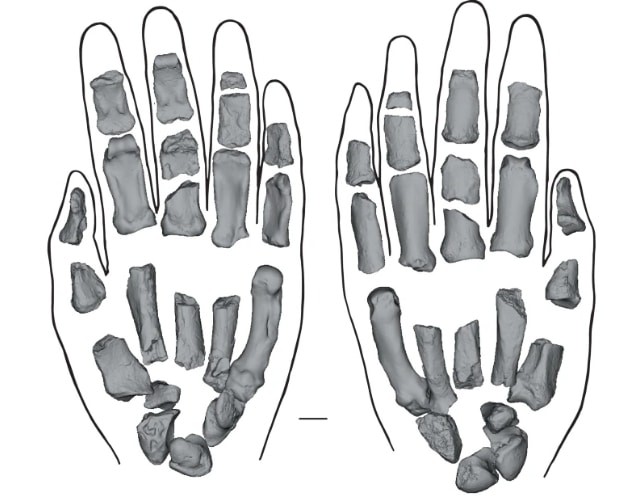
New research focusing on hand bones discovered at Koobi Fora near Kenya’s Lake Turkana indicates that P. boisei had powerful fingers similar to those of gorillas. Yet, these hands exhibited enough dexterity and mobility to suggest they could have gripped objects and potentially used simple tools. This challenges previous assumptions about the species’ capabilities.

Feet Adapted for Efficient Bipedalism
In contrast to their strong hands, the foot fossils suggest Paranthropus boisei was well equipped for upright walking. The foot structure includes a pronounced arch, stiffened joints, and an aligned big toe, all traits closely aligned with modern human feet, consistent with typical bipedal locomotion seen in early Homo species.
Additionally, the third metatarsal bone’s twisted form contributes to the transverse arch, a feature that offers springiness and stability during movement. This means P. boisei likely traveled long distances efficiently, possibly while carrying resources or moving between feeding grounds on two legs.
A Distinct Evolutionary Path, Not A Dead End
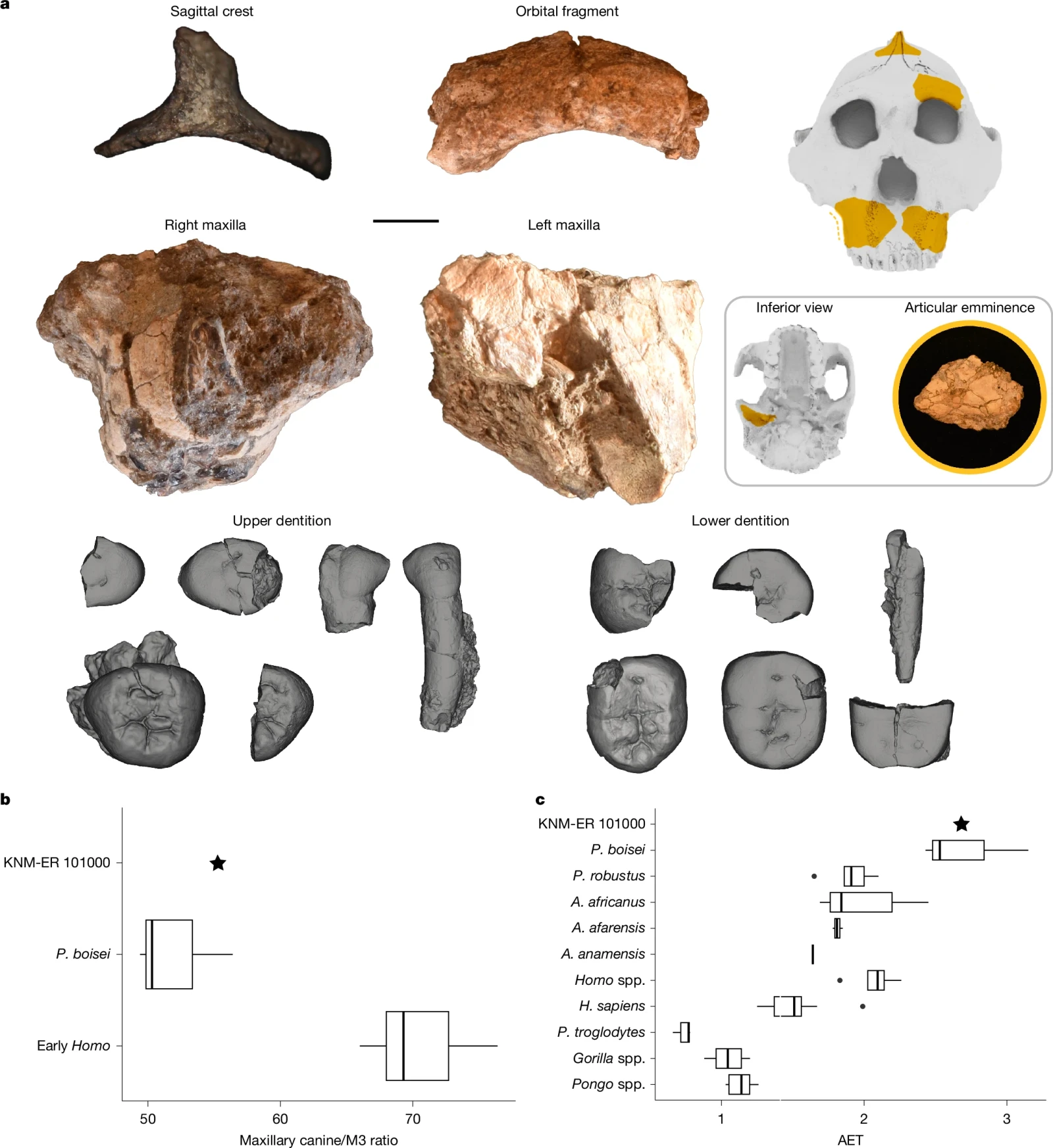
Previously, Paranthropus boisei was often regarded as a less successful evolutionary offshoot, characterized by large jaws, massive teeth, and a small brain. However, this new fossil evidence suggests a different narrative: rather than being less evolved, P. boisei was highly adapted to its environment.
While early Homo species expanded brain size and developed tool technologies, P. boisei invested in immense strength and endurance. With jaws designed to crush tough vegetation and a physique suited to the demanding East African landscapes, it thrived independently for over a million years despite eventually disappearing.
Human Evolution Was Diverse and Complex
This fossil discovery illustrates that multiple evolutionary strategies existed among hominins. By 1.5 million years ago, upright walking was established among different species. Both Paranthropus and Homo shared bipedalism but pursued distinct survival tactics—one emphasizing cognitive advancement, the other relying on physical power.
This latest fossil data challenges the old concept of a smooth, linear human evolution and instead reveals a complex, branching tree with diverse adaptations: some hominins innovated with tools and culture, others survived through strength and stamina.
- Categories:
- News









0 comments
Sign in to Comment