
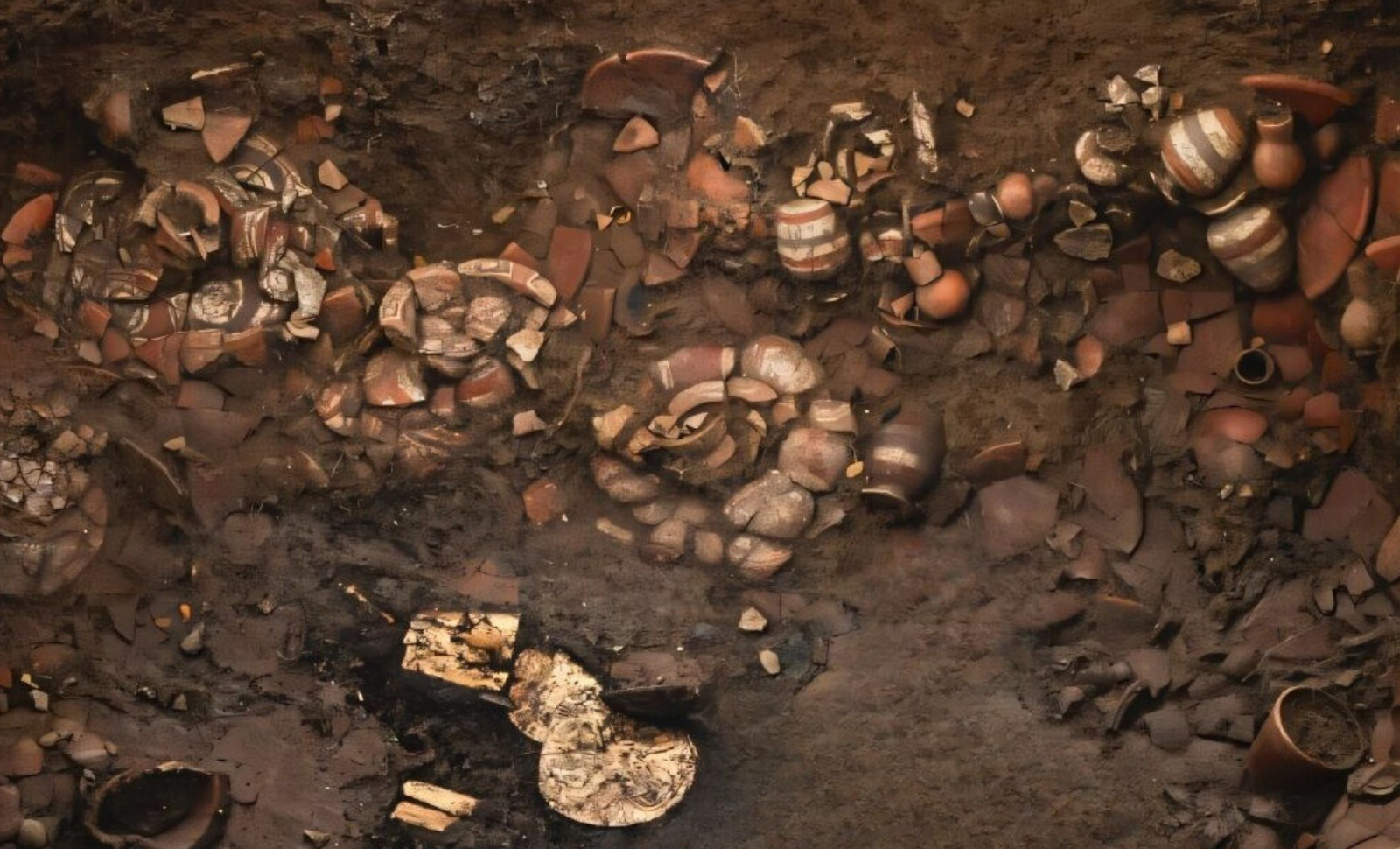
Researchers have unearthed a tomb dating back over a millennium, containing human skeletons alongside exquisite gold ornaments and intricately decorated ceramic vessels at Panama’s El Caño archaeological site.
Julia Mayo, who leads the excavation team, told AFP on February 20 that the tomb’s construction dates between 800 and 1000 AD. The skeletons were discovered nestled among gold artifacts and pottery emblazoned with culturally significant designs, suggesting the interred individuals held prominent positions within their community.
“The person adorned with gold was likely the highest status member of the group,” Mayo explained.

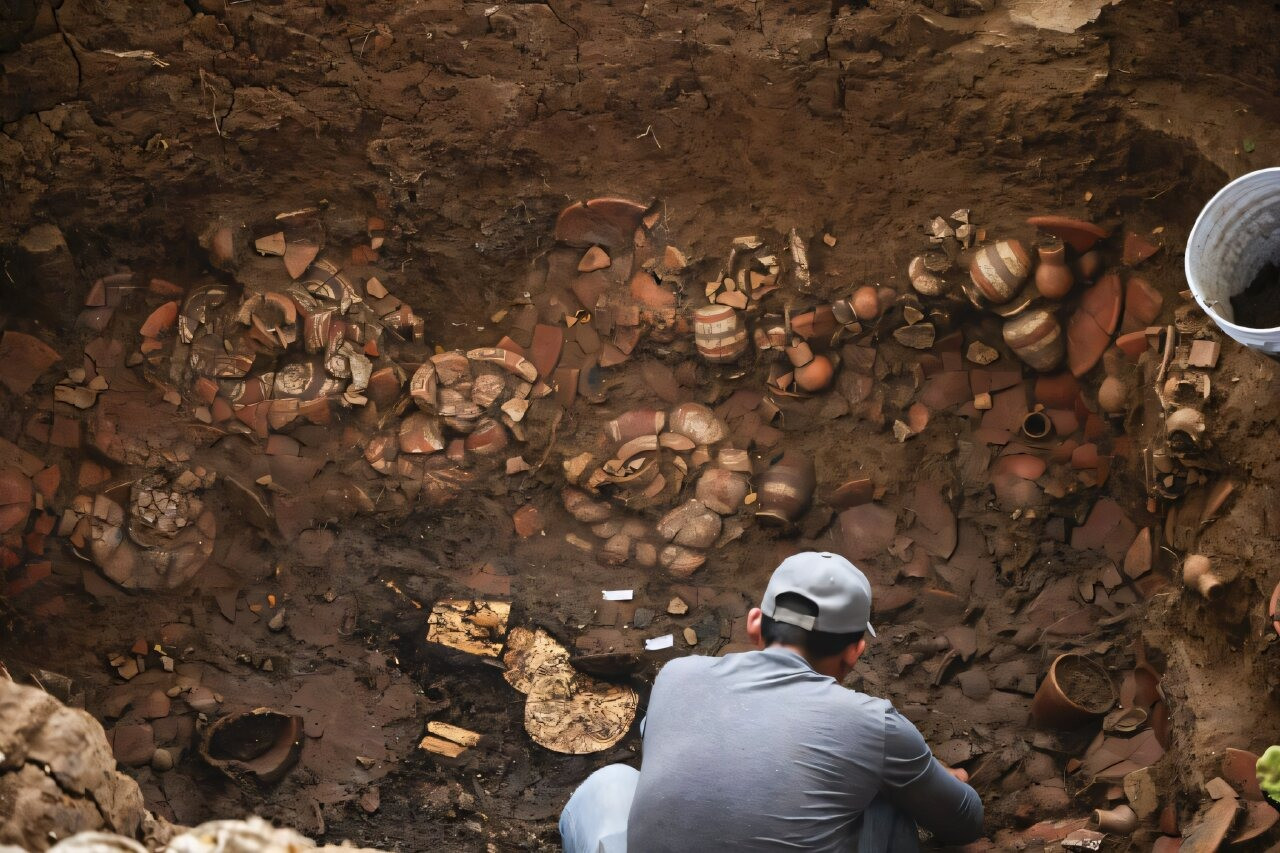
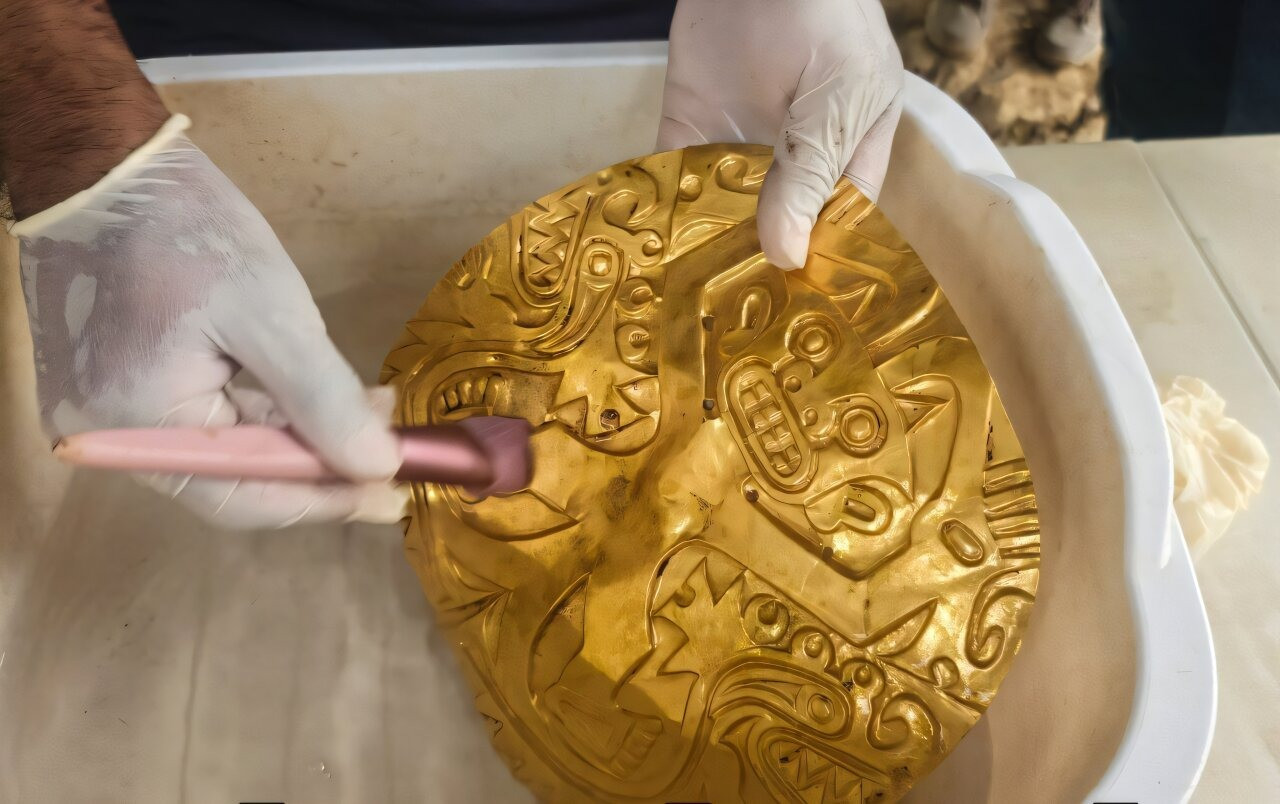
The individual wore two bracelets, a pair of pectorals, and two earrings, with the pectorals featuring images of bats and crocodiles—creatures that held symbolic importance in the region’s pre-Columbian cultures.
El Caño, situated in Panama’s Natá district about 200 kilometers from the capital, has been a focal point of archaeological research for two decades. The site includes burial grounds used for nearly 200 years by the Central Panamanian cultures from the eighth to the eleventh century.
Mayo noted that nine additional tombs exhibiting similar elements had been excavated at El Caño prior to this discovery.
Burial Customs Reflect Social Hierarchy Beyond Life
Panama’s Ministry of Culture described the find as a landmark for understanding pre-Hispanic civilizations on the Central American isthmus. According to the ministry, the unearthed artifacts and burial arrangement offer valuable insights into social structures, political authority, trade relations, and ceremonial practices of these ancient groups.
Experts studying the site suggest that these communities viewed death as a passage, not an end, preserving social rank into the afterlife. The inclusion of precious goods alongside elite individuals points to beliefs concerning continued status and needs beyond death.
El Caño is associated with indigenous cultures that flourished before European arrival in 1492, and the site’s elite burials over the past 20 years enable researchers to examine changes and consistencies in mortuary customs over time.
Refined Gold Craftsmanship Reveals Cultural Depth
The gold artifacts include pectorals, earrings, and bracelets, with iconography of bats and crocodiles matching motifs found at contemporaneous sites across the area. This uniform symbolism indicates common cultural and religious themes throughout pre-Columbian Panama.
Creating gold objects in ancient Central America demanded advanced metallurgical skills and access to widespread trade routes for sourcing materials. The concentration of precious items in select burials supports the view that both raw materials and craftsmanship were privileges of the societal elite.
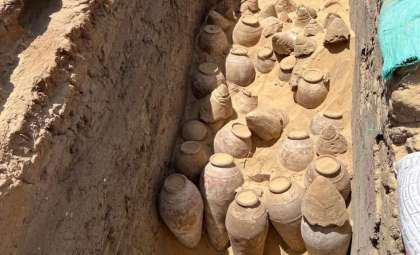
The ceramic vessels discovered bear traditional decorations that could help archaeologists determine more precise burial dates and draw connections between El Caño and other regional sites.
Ongoing Excavations Uncover Multiple Tombs
Mayo confirmed that several burials with shared features have been excavated at El Caño, with nine similar tombs already investigated. The work continues to generate valuable data for analysis.
Details regarding the final excavation stages of the latest tomb or publication timelines for comprehensive study results remain forthcoming. Laboratory analyses will be necessary to pinpoint dates accurately and identify the metal compositions.
El Caño stands as one of Panama’s most enduring archaeological projects, with two decades of excavation enabling a comprehensive understanding of interment practices and material culture in the region.
While the Ministry of Culture highlighted the discovery’s significance for the study of pre-Hispanic societies, it made no announcements about expanded funding or further excavation efforts.
- Categories:
- News






0 comments
Sign in to Comment