
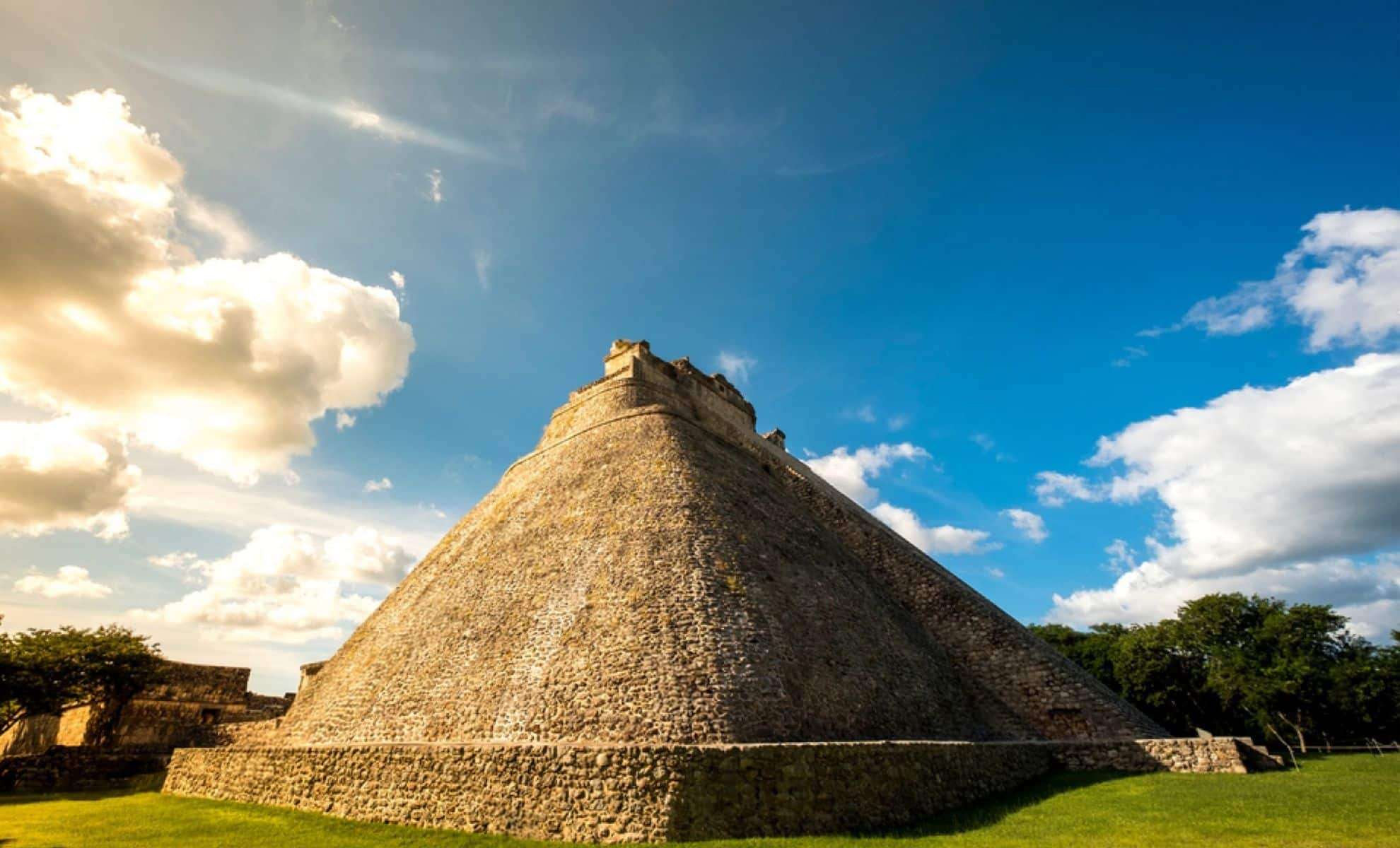
An extraordinary archaeological find has brought to light the burial site of Te K’ab Chaak, recognized as the founding monarch of Caracol, a prominent Maya city situated in today’s Belize. This excavation, carried out by the expert team led by archaeologists Arlen Chase and Diane Chase—partners with nearly five decades of experience—was uncovered at the Caracol Northeast Acropolis. This tomb presents new perspectives on Maya society and their extensive regional connections.
The Establishment of Te K’ab Chaak’s Lineage
Te K’ab Chaak’s rise to power marked the beginning of a royal lineage that endured for more than 460 years. Caracol was a dominant force in the southern Yucatán Peninsula until its abandonment in the 10th century.
Today, Caracol is the largest known Maya archaeological site within Belize, symbolizing the vast political and cultural reach of the ancient Maya. The tomb of Te K’ab Chaak, discovered in a royal shrine, sheds light on his reign and the elaborate funerary ceremonies practiced during his era.

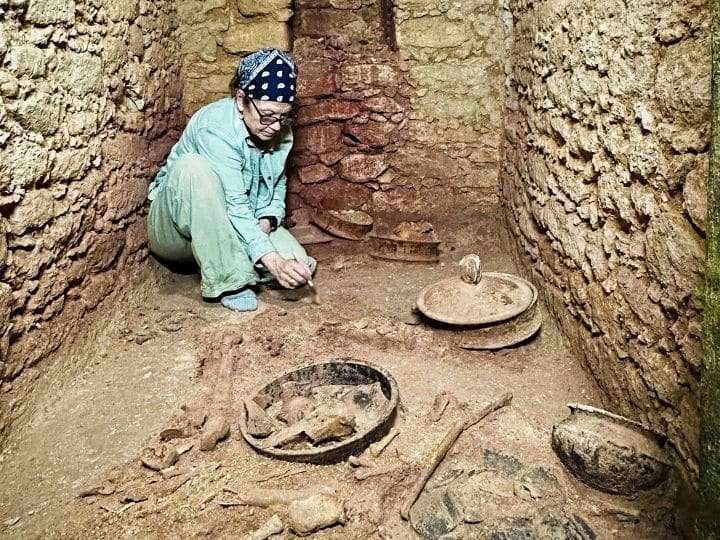
Detailed Discovery of the Burial Chamber
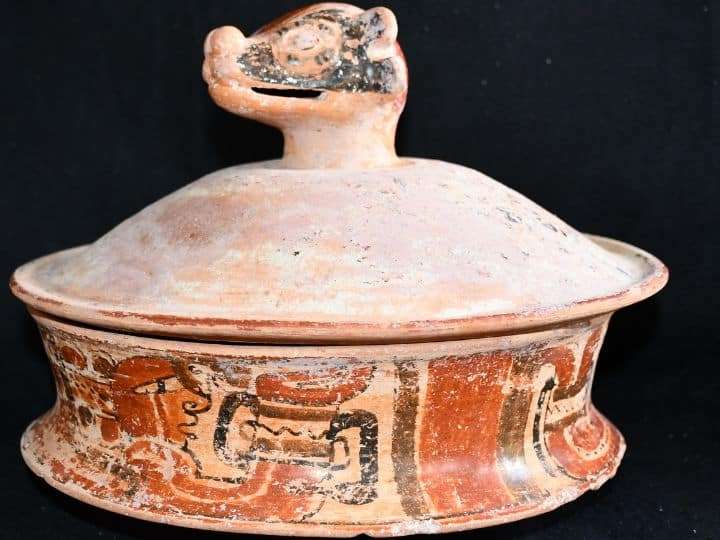
The tomb was richly furnished with numerous funerary artifacts that offer deep insights into the elite Maya’s burial traditions and spiritual customs. Among the treasures were jadeite adornments, a striking jadeite mosaic mask, carved bone tubes, shells from the Pacific spondylus mollusk, and pottery decorated with intricate motifs.
Ceramics illustrated scenes of a Maya ruler accepting tributes, depictions of the Maya god of commerce, and images of captured enemies, all highlighting the blending of religious and political symbolism. Te K’ab Chaak was interred at an advanced age, with his remains indicating he measured approximately 5 feet 7 inches (170 centimeters) and had lost all his teeth.
Significant Links to Teotihuacán
The tomb, part of a larger series of three major burials at Caracol, aligns with the era when Teotihuacán—located some 746 miles (1,200 kilometers) away in what is now Mexico—was rising as a dominant urban center and trade nexus. The presence of artifacts from Teotihuacán, such as green obsidian blades and ornate projectile points, points to early, meaningful exchanges between the Maya and central Mexican civilizations. This finding challenges previous assumptions about the dynamics of their interactions.
As noted by Diane Chase, scholars have long debated whether the influence of Teotihuacán introduced a new political order among the Maya. Carved monuments, hieroglyphic inscriptions, and iconography provide evidence of widespread ties across Mesoamerica following a significant event dated to 378 BCE, the ‘entrada’. Yet, the Caracol discoveries indicate that these interactions were far more intricate than previously thought.
Findings from Additional Burials at Caracol
Excavations at the Caracol Northeast Acropolis have unearthed further burials, including one involving cremation and another intact tomb. These discoveries reveal that the Maya were familiar with ceremonial customs from central Mexico. One burial contained a spondylus bead necklace, broken mirror shards, and pottery, pointing toward shared ritual traditions among Mesoamerican cultures. Another cremation site yielded carved projectile points typical of Teotihuacán warriors.
These remains may belong to a Caracol noble who adopted central Mexican ceremonial styles or possibly a diplomat representing Maya interests in Teotihuacán.
Having excavated in this region for many years, the Chases propose that these connections were official and involved high-ranking elites from both cultures. As Arlen Chase explains, “the interactions between these regions were carried out by the highest echelons of society,” suggesting that Maya rulers like Te K’ab Chaak engaged in diplomatic ties with Teotihuacán much earlier than previously documented.
- Categories:
- News


0 comments
Sign in to Comment