

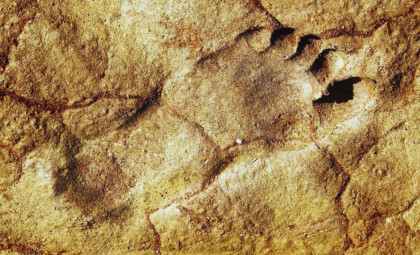
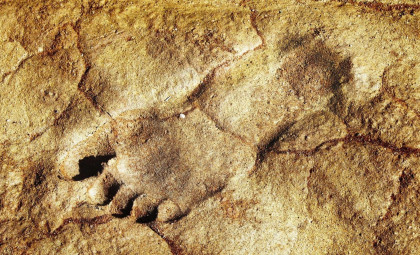
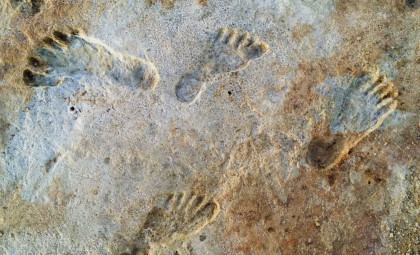
In a remarkable find within Utah's arid landscape, scientists have uncovered human footprints dating back more than 12,000 years, tracing back to the close of the last Ice Age. These prints, belonging to adults and children alike, were discovered by Cornell University’s Thomas Urban and Daron Duke from the Far Western Anthropological Research Group.
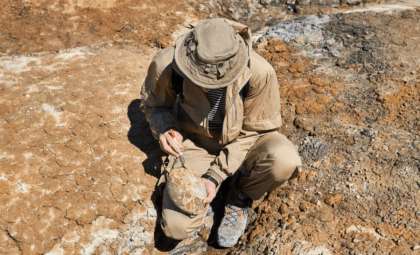
The duo was performing fieldwork at the Utah Testing and Training Range (UTTR), an Air Force facility situated on desert salt flats, when they stumbled upon the unexpected archaeological treasure. This location is quickly gaining recognition as a major site for Ice Age era discoveries.
Uncovering Footprints with Advanced Radar
The footprint revelation was largely serendipitous. Thomas Urban spotted what he described as “ghost tracks,” subtle impressions that surface only under certain moisture conditions. Having previously studied human footprints at White Sands National Park, Urban immediately identified the markings as human in origin.

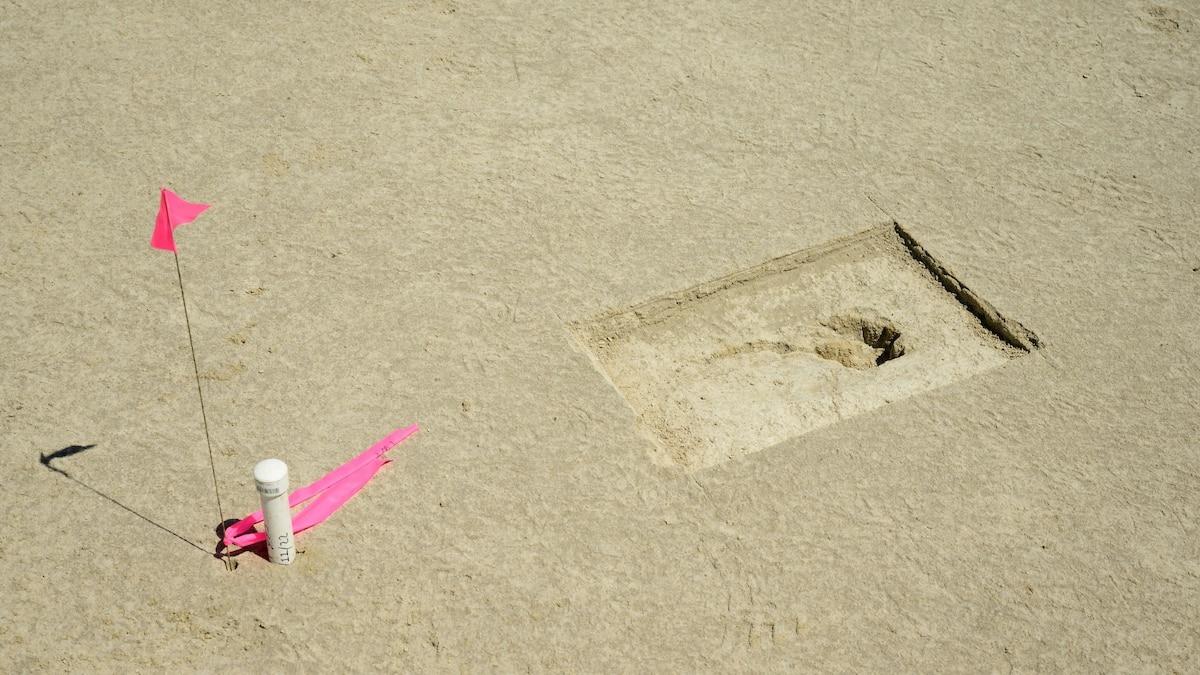
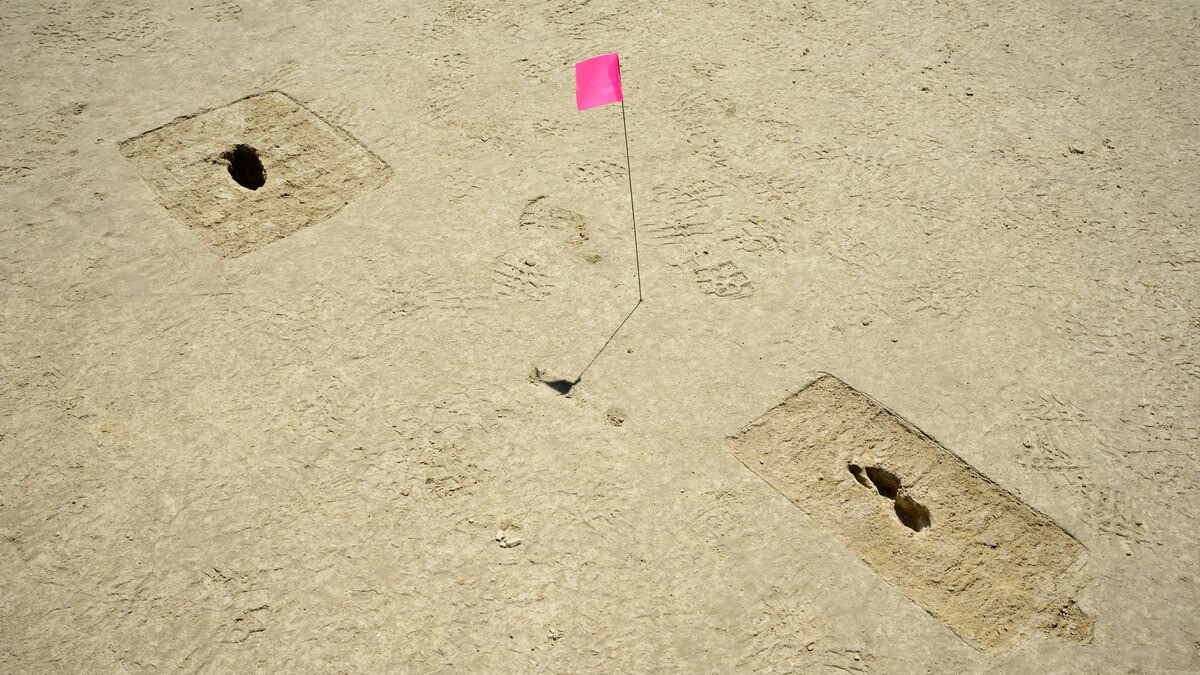
As detailed in a statement from Cornell University, the visible tracks represented only a fraction of the discovery. Employing ground-penetrating radar, a tool Urban had refined in earlier projects, the researchers detected many more prints concealed beneath the surface.
A Glimpse of an Ice Age Family
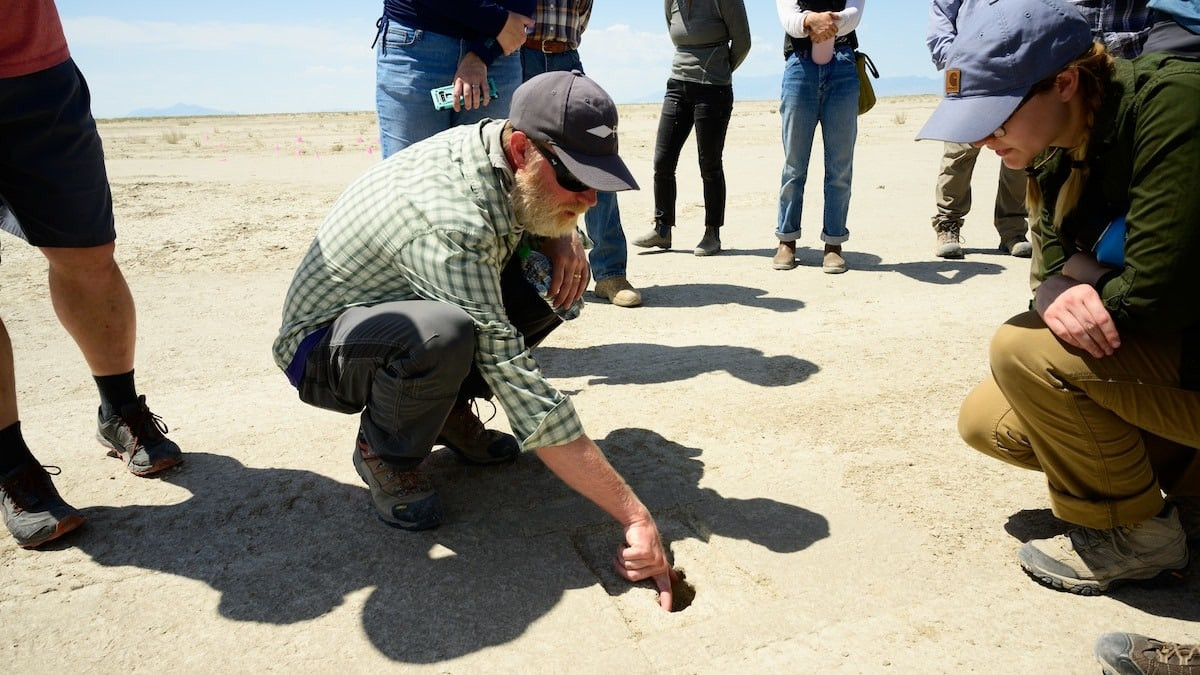
Out of the 88 footprints cataloged, prints from both adults and children were identified, shedding light on familial presence during this ancient era. According to Daron Duke, these footprints appear to have been made by individuals wading through shallow water, with sand swiftly covering the prints as they progressed. A mud layer underneath helped preserve these footprints for millennia.
“Based on excavations of several prints, we’ve found evidence of adults with children from about five to 12 years of age that were leaving bare footprints,” explained in an Hill Air Force Base press release.
The presence of juvenile and adult footprints together indicates that family units frequented this site.
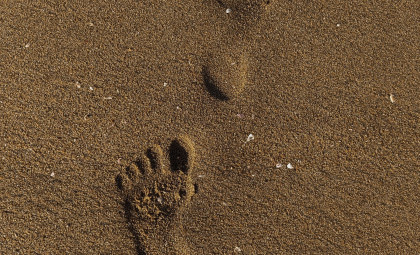
“People appear to have been walking in shallow water, the sand rapidly infilling their print behind them – much as you might experience on a beach – but under the sand was a layer of mud that kept the print intact after infilling,” he added.
A Remarkable Archaeological Milestone
Though not as ancient or extensive as the renowned White Sands tracks, this Utah discovery represents a major archaeological milestone for the region. Urban noted that this find supports the possibility of uncovering similar sites in nearby areas and highlights the effectiveness of ground-penetrating radar in detecting hidden traces of the distant past.
“We have long wondered whether other sites like White Sands were out there, and whether ground-penetrating radar would be effective for imaging footprints at locations other than White Sands, since it was a very novel application of the technology,” he stated. “The answer to both questions is ‘yes.’”
This discovery paves the way for further research in places previously considered void of such ancient evidence. The team aims to deepen understanding of how early humans lived and interacted with their environment as they continue their work.
- Categories:
- Science




0 comments
Sign in to Comment