
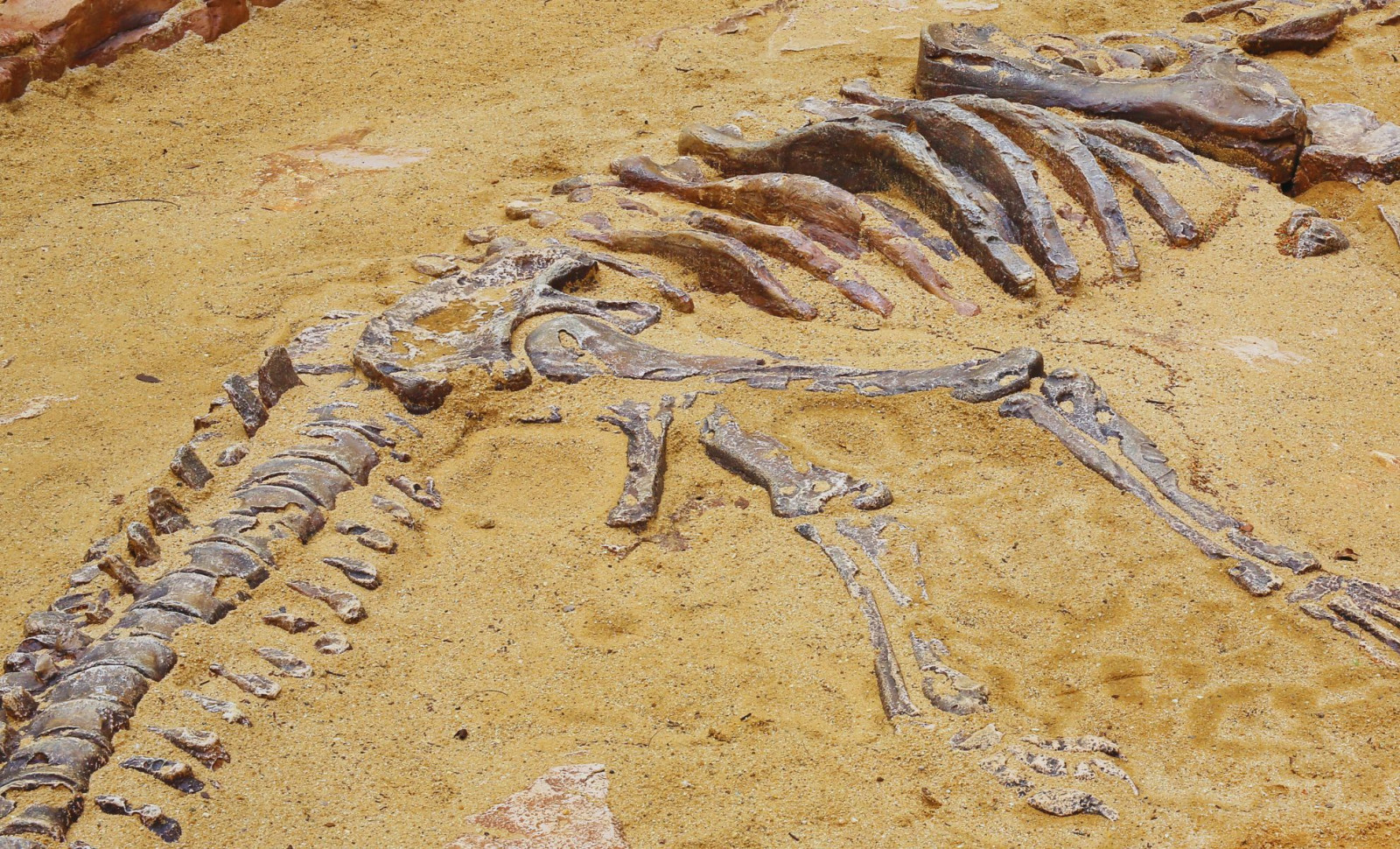
Two massive forelimb fossils preserved in a Utah museum, long unnoticed for their extraordinary size, have now been verified as the largest stegosaurid bones ever documented. A recent investigation reveals these specimens, excavated back in 1950, indicate an individual approaching the immense proportions of Jurassic sauropods—challenging previous assumptions about the size limits of these plated dinosaurs.
Discovered within the Uinta Basin region of the renowned Morrison Formation, these fossils have been publicly displayed at the Utah Field House of Natural History for decades. Their significance only came to light when ReBecca Hunt-Foster, a paleontologist with Dinosaur National Monument, along with her colleagues, conducted a fresh examination of the remains.
Unprecedented Size in Stegosaurid Forelimb Bones
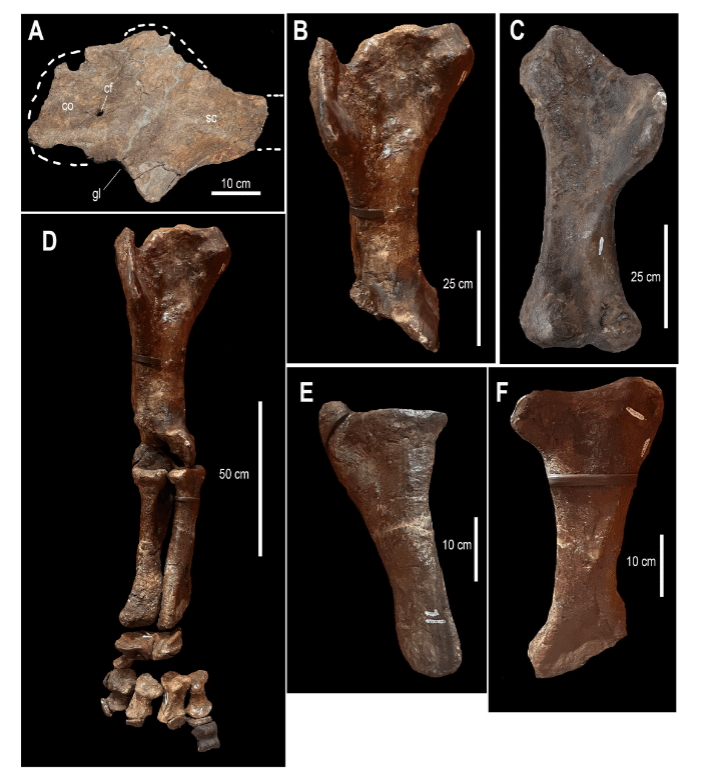
The focal fossils encompass two humeri measuring 70 and 74 centimeters respectively, along with a radius, ulna, and partial foot bones, all from the right side forelimb. A study featured in the New Mexico Museum of Natural History and Science Bulletin confirms these humeri exceed all previous stegosaurid records. Traditionally recognized by their iconic plates and tail spikes, stegosaurids have been viewed as moderate-sized creatures. The previous largest humerus measured 68 centimeters, making these new finds notably broader and more robust.

Rebecca Hunt-Foster explains that the bone structure—including the distinctive dumbbell-shaped shaft and the pronounced muscle attachment crest—firmly identifies the fossils as stegosaurid. While these remains imply an animal significantly bigger than known species like Stegosaurus ungulatus, which measured about 7.5 meters and weighed 5 tonnes, the absence of additional skeleton parts makes a precise genus or species classification impossible.
Overlooked for More Than 70 Years
Although these bones are extraordinarily large, they went largely unexamined for over seven decades. The Morrison Formation is famous for yielding giant sauropods like Brachiosaurus and Diplodocus, so even exceptionally big stegosaur fossils might have appeared less remarkable. Hunt-Foster speculates the specimen's significance was initially missed because it was catalogued by a geologist rather than a dinosaur expert, which could explain the prolonged oversight.
“Most of the bones seem to have been correctly identified originally (although one was thought to be a sauropod),” she explained. “It may be that the curator at that time was a geologist and simply hadn’t looked at a lot of stegosaurs.”
One bone had been mistakenly attributed to a sauropod initially, but thorough reanalysis confirmed distinctive stegosaurid traits. While already displayed publicly, visitors were likely unaware they were viewing the remains of a record-setting giant stegosaurid.
- Categories:
- Science





0 comments
Sign in to Comment