
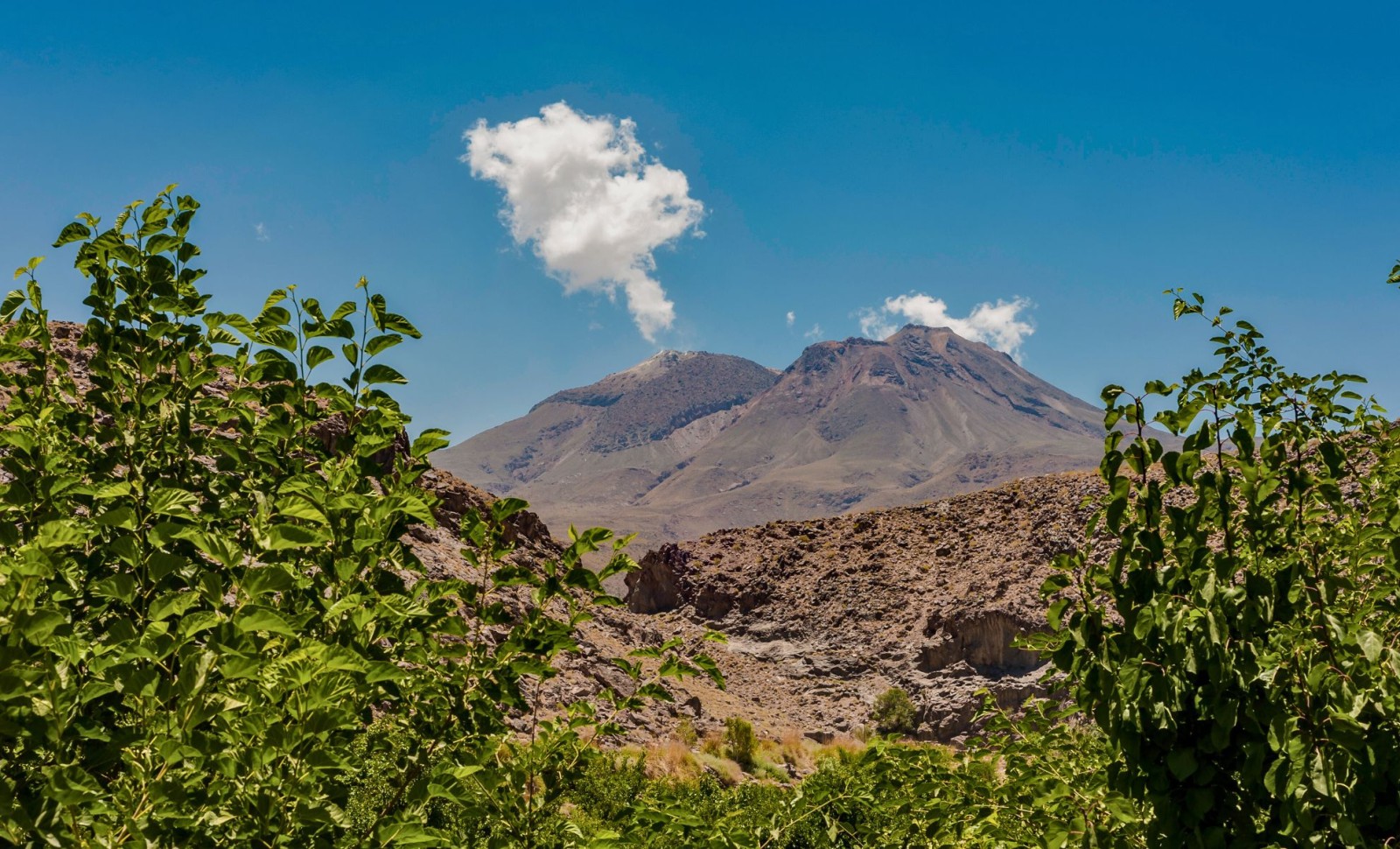
Mount Taftan, long regarded as a dormant volcano in southeastern Iran's Makran region, is now revealing subtle signs of activity in its summit area according to recent satellite imagery. These changes have sparked concern among volcanologists about the potential for renewed eruptions from this ancient volcanic giant.
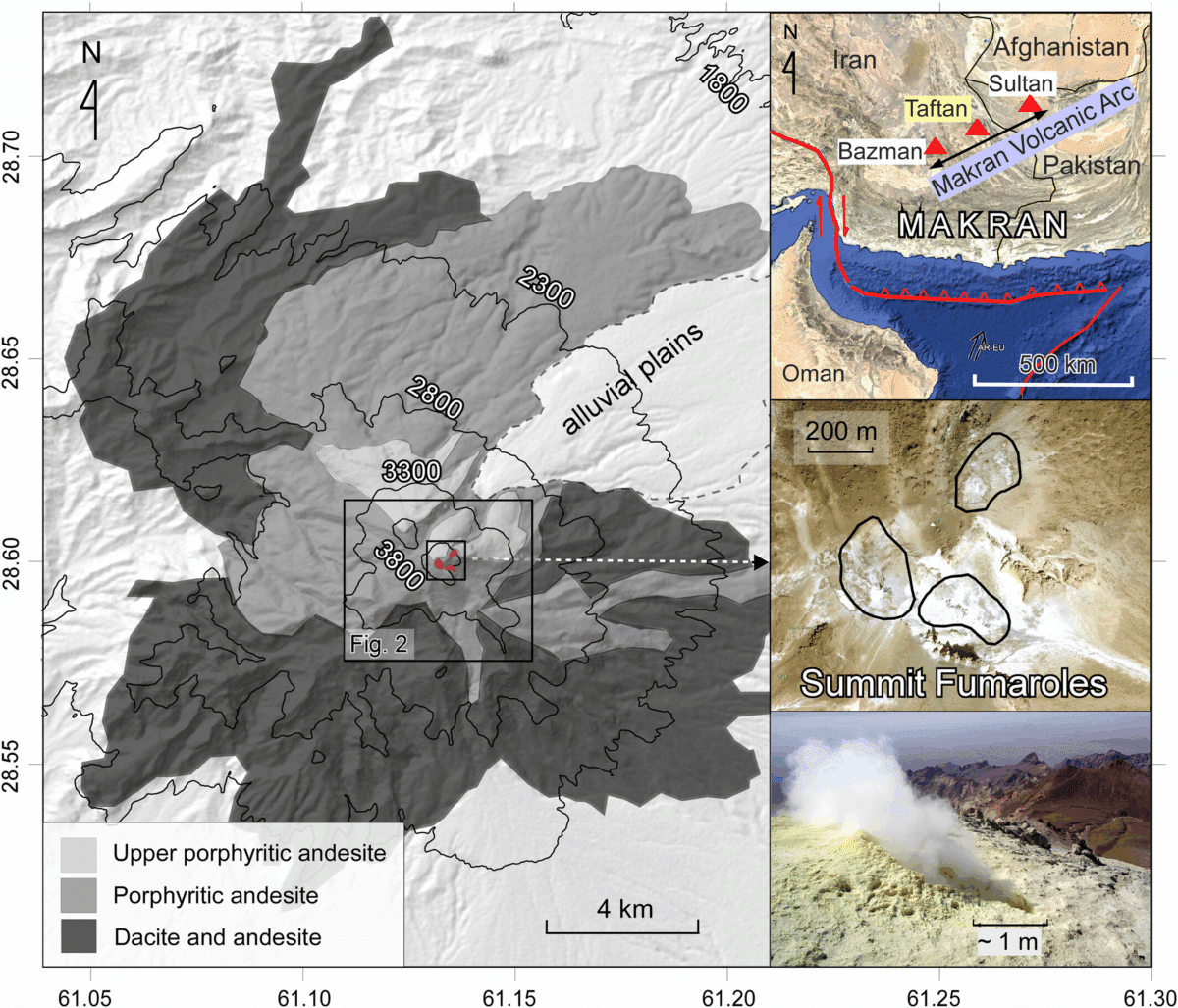
Sitting near the Iran-Pakistan border, Mount Taftan is part of a volcanic arc created by the Arabian plate descending beneath the Eurasian plate. This prominent peak reaches 12,930 feet (3,940 meters) and has been mostly inactive, aside from minor smoke emissions noted in 1902 and suspected lava flows in 1993. Its last significant eruption, however, dates back nearly 700,000 years—long before human civilization took shape. New satellite observations, nonetheless, have prompted scientists to reconsider the volcano's status and activity.
Mount Taftan: A Majestic Volcano in a Remote Landscape
As the lone active volcano in the relatively secluded and low-population Makran area, Mount Taftan poses a notable risk to surrounding regions of Iran and Pakistan. Due to its remote setting, detailed studies of the volcano’s internal processes have been historically limited, making the latest data revealing summit inflation especially important.

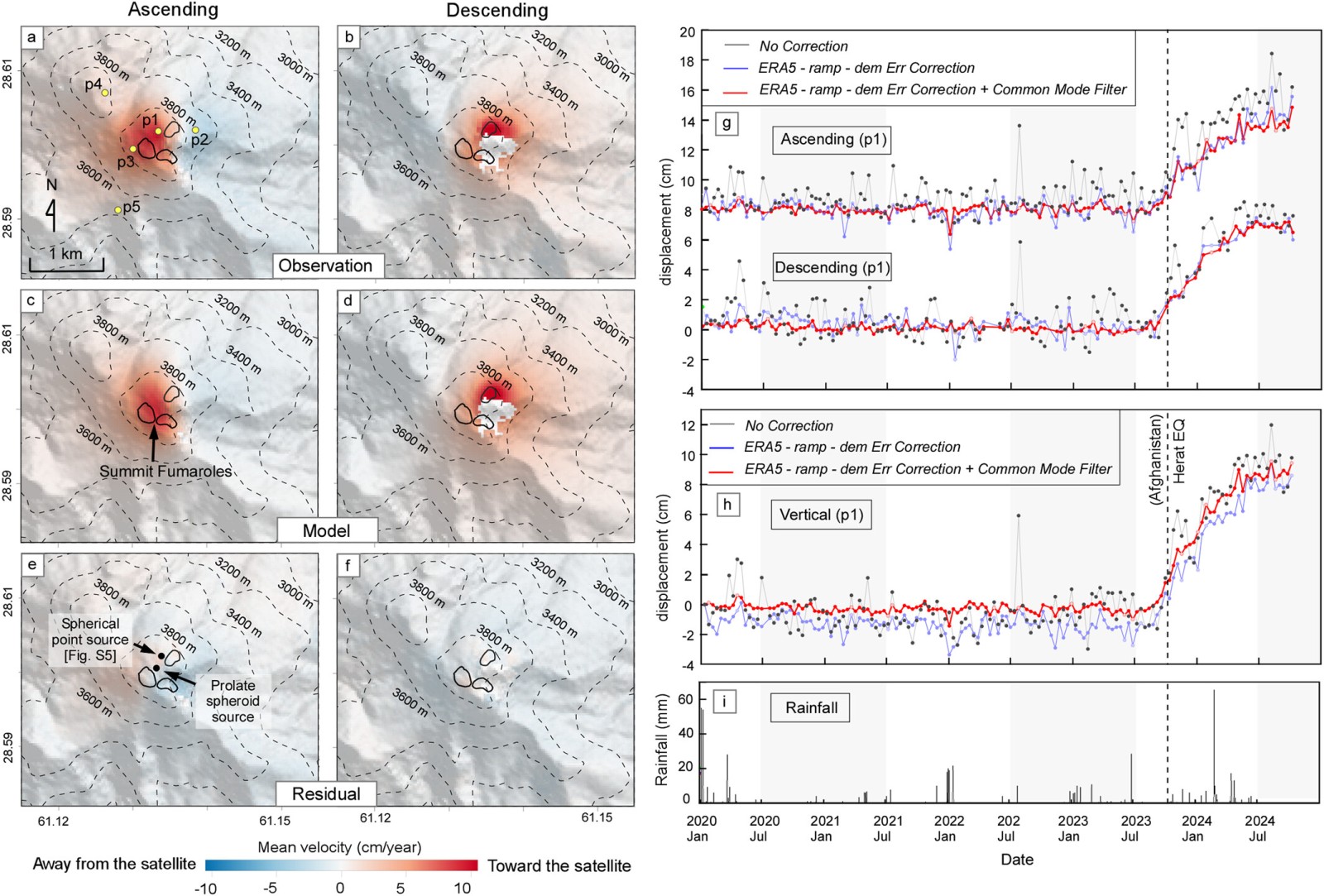
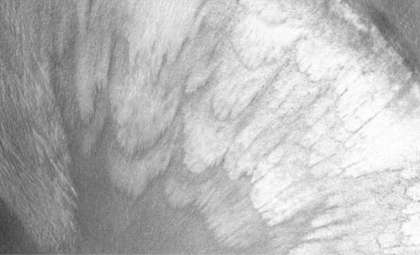
A recent paper featured in Geophysical Research Letters reports that from July 2023 to May 2024, satellite instruments detected a gradual swelling near the summit measuring around 3.5 inches (9 centimeters). This deformation likely indicates a build-up of magma and volcanic gases beneath the surface, potentially signaling forthcoming volcanic activity. The absence of visible earthquakes or weather anomalies linked to this inflation has left researchers puzzled about the precise cause.
Emerging Signs of Volcanic Changes
What heightens concern is that this recent summit inflation occurred without typical warning signs such as seismic tremors or atmospheric disturbances. Scientists suggest that the swelling could be caused by magma slowly rising, driven by superheated fluids trapped just below the surface. This might be associated with variations in the volcano’s gas venting capabilities or deep magma movements that current sensors cannot yet detect.
This evolving profile challenges previous views of Mount Taftan as a relatively inactive volcanic giant. Once considered to be one of the calmer volcanoes in the region, the latest observations remind us that even long-dormant volcanoes can unexpectedly reactivate, highlighting the importance of vigilant volcanic surveillance worldwide.
The Imperative to Monitor Mount Taftan Closely
Given the area's vulnerability to natural disasters, any volcanic eruption could severely impact local inhabitants and infrastructure. The region contains remote settlements and critical facilities, all potentially at risk from volcanic hazards. Although experts are cautious about forecasting an immediate eruption, they emphasize that “Taftan is more active than we once thought.”
This emerging evidence has led to calls for enhanced volcanic monitoring systems, improved hazard mapping, and reassessment of risks associated with Mount Taftan and neighboring volcanic formations to better protect nearby populations.
- Categories:
- News






0 comments
Sign in to Comment