
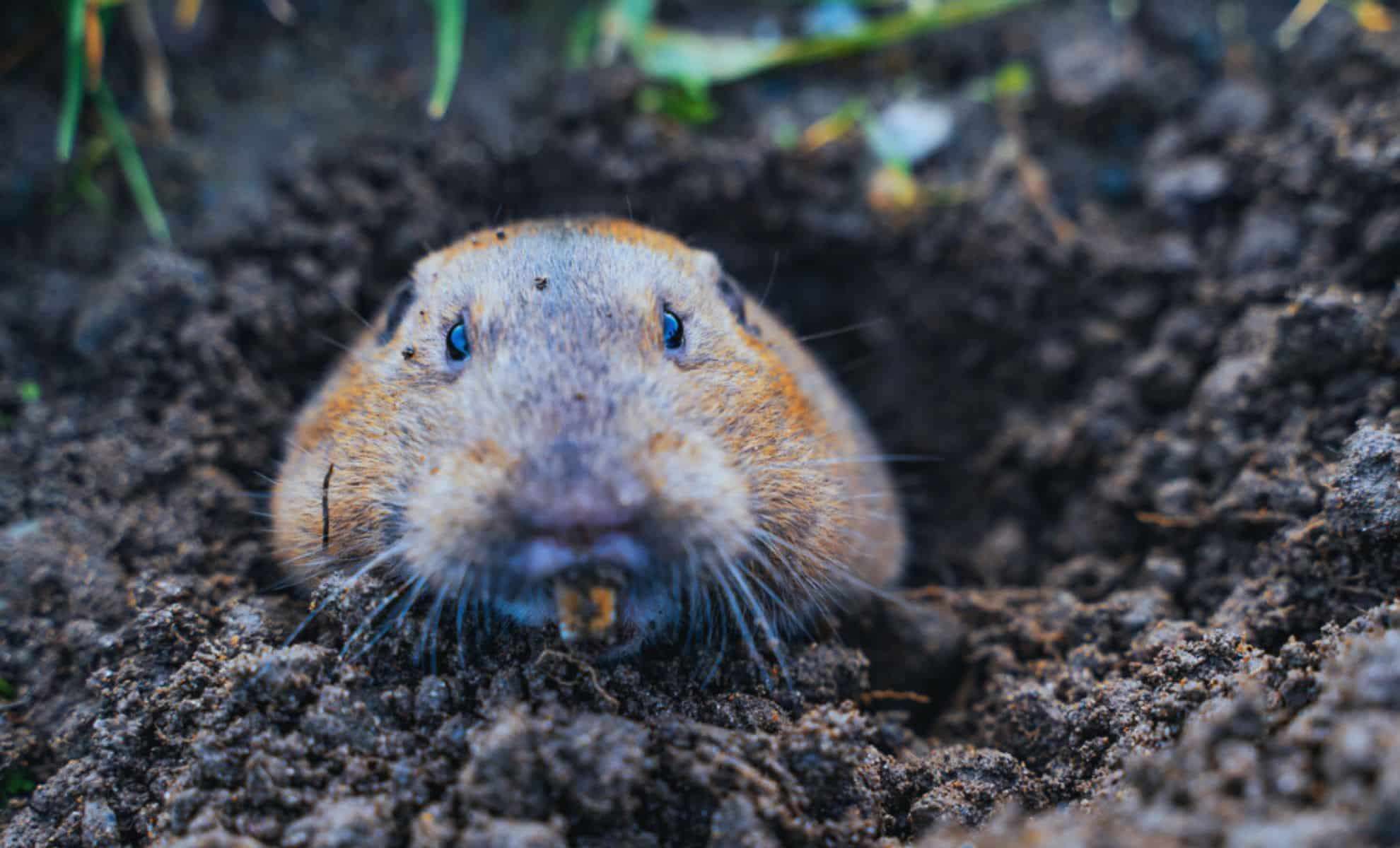
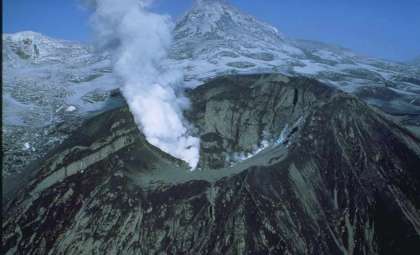
In the wake of Mount St. Helens’ 1980 eruption, which decimated vast expanses of forest with ash and lava, an unusual ecological experiment unfolded—one that faded from attention for decades. Now, more than 40 years later, researchers reveal that this brief intervention significantly influenced how ecosystems recover after catastrophic events.
New findings published in Frontiers in Microbiomes detail a remarkable experiment where, for a single day, scientists introduced burrowing rodents to the volcanic ash fields to observe their effect on the ecosystem's resurgence. The concept was straightforward yet creative: could the activity of gophers, by loosening soil and mixing in nutrients, expedite ecological recovery?
The results were undeniable.

Transforming Desolate Ash Into a Thriving Habitat
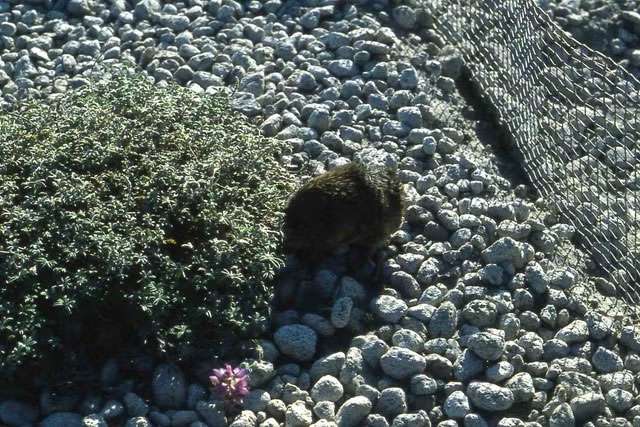
Just two years post-eruption, ecologists from UC Riverside and Utah State University deployed a group of northern pocket gophers (Thomomys talpoides) into two fenced plots on the barren pumice slopes using a helicopter. These often-misunderstood animals spent 24 hours digging and burrowing before being removed from the site.
When researchers revisited the area six years later, the contrasts were striking: the gopher-treated plots hosted more than 40,000 plants, while the surrounding volcanic terrain remained largely desolate.
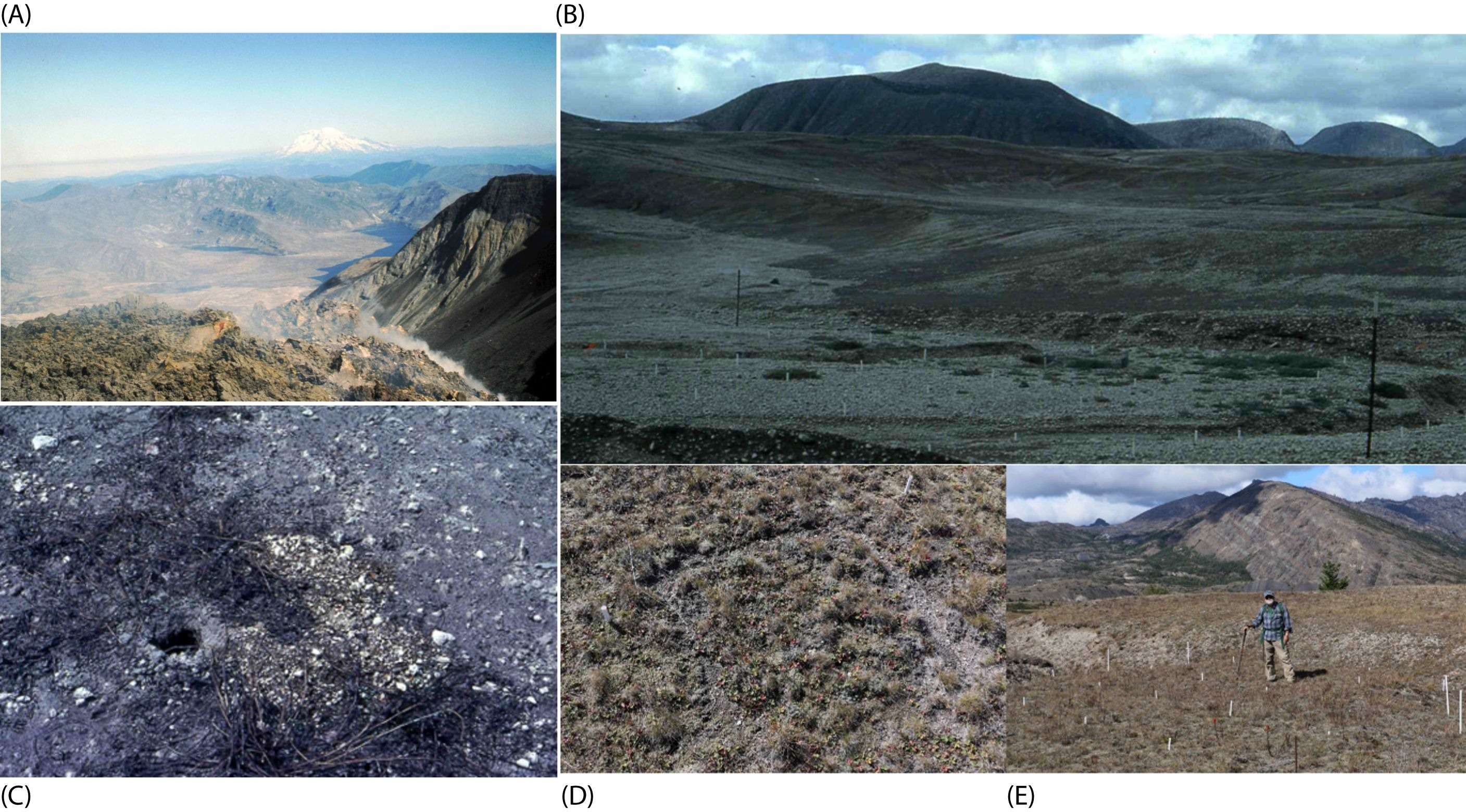
The gophers’ digging inadvertently brought nutrient-rich soil layers and a wealth of mycorrhizal fungi and soil bacteria to the surface—microscopic allies essential for plant growth. This revived soil provided fertile conditions for seeds dispersed by wind and birds, enabling life to flourish where it once seemed impossible.
Uncovering the Crucial Role of Fungi
Michael Allen, a microbiologist at UC Riverside and the principal investigator, emphasized that the gophers' contribution extended beyond physical disturbance. “Most plants, aside from a few hardy weeds, can’t absorb enough water or nutrients on their own,” he shared in a university statement. “Fungi form mutual relationships with roots, delivering these necessities in return for carbon to sustain themselves.”
These tiny fungi create essential symbiotic networks with plants, acting as vital contributors to ecosystem resilience. Remarkably, the gopher-affected plots remain hotspots of fungal and microbial biodiversity even decades later, in some cases surpassing diversity levels found in untouched old-growth forests.
“It’s the microbes that are the real engineers here,” added Emma Aronson, co-author of the study and an environmental microbiologist at UC Riverside. “The gophers just helped get them to the surface.”
The Recovery Gap Between Forest Types
The study further demonstrated that the speed and extent of ecosystem recovery differ widely based on the prior condition of the land. While volcanic ash-covered forests rebounded relatively quickly—thanks to nutrient deposits like fallen pine needles and robust fungal networks—areas that had been clearcut before the eruption remain sluggish in recovery.
“There still isn’t much of anything growing in the clearcut area,” said Aronson. “It was shocking looking at the old growth forest soil and comparing it to the dead area.”
This disparity stems from the biological remnants left behind. Old-growth forests preserved crucial components like seeds, fungal spores, and organic materials, which serve as a blueprint for regrowth. In contrast, clearcut sites lacked these foundational elements, severely hampering natural restoration.
Insight Into Nature’s Hidden Helpers
Mia Maltz, the paper’s lead author and a mycologist at the University of Connecticut, pointed out that the gophers gained most of the media spotlight but that the underlying biological interactions were the true drivers of recovery.
“We cannot ignore the interdependence of all things in nature,” she said. “Especially the things we cannot see — like microbes and fungi.”
Amid ongoing challenges such as climate change, deforestation, and natural catastrophes reshaping ecosystems worldwide, the Mount St. Helens gopher experiment underscores the crucial role of soil vitality, microbial communities, and animal behavior in ecological restoration—factors often overlooked in conventional conservation strategies.
- Categories:
- News









0 comments
Sign in to Comment