
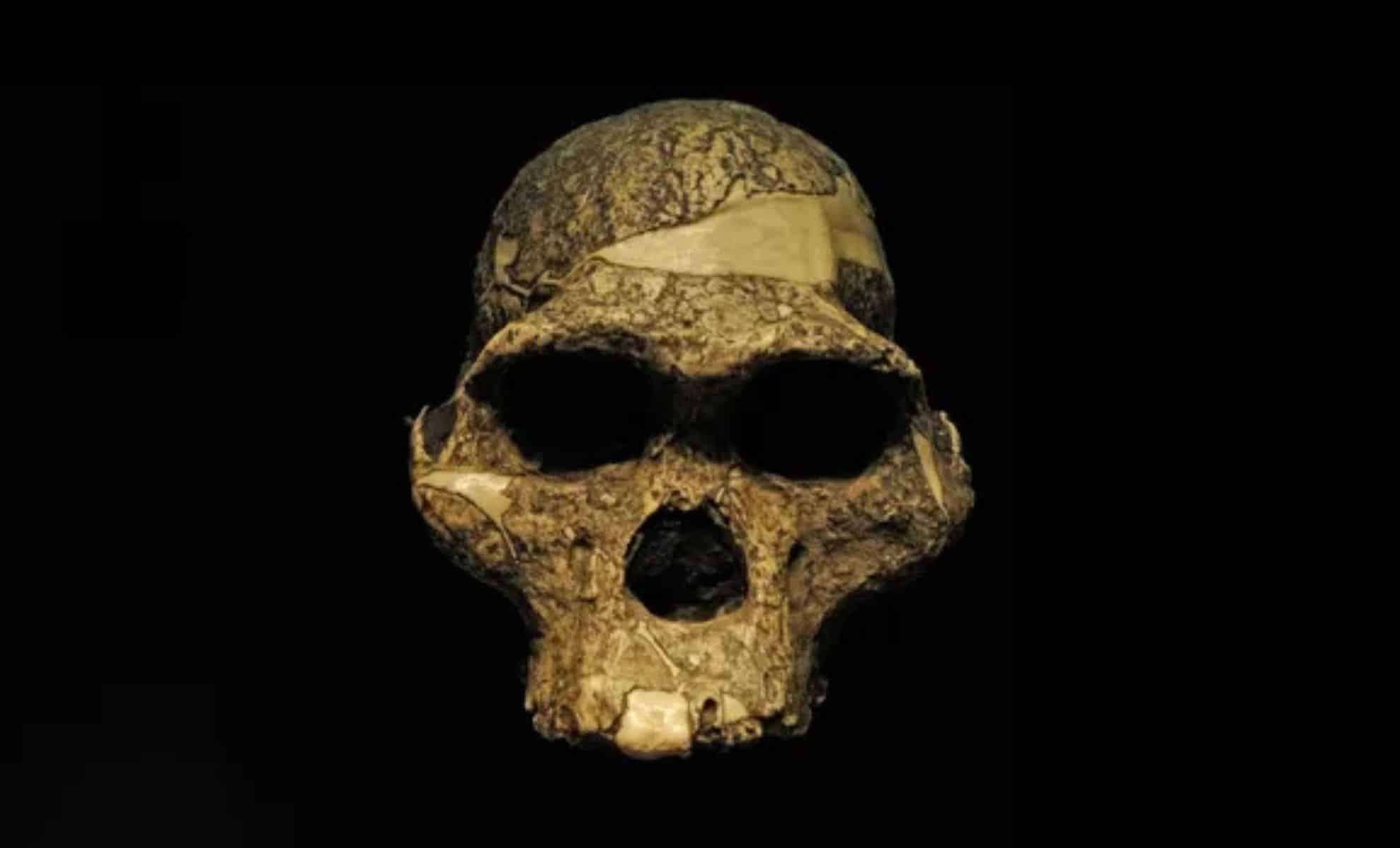
For the very first time, researchers have employed ancient protein analysis to reveal the sex of a hominin dating back 3.5 million years, a significant leap forward in the field of paleoanthropology. An international collaboration successfully isolated and examined protein traces from the tooth enamel of an Australopithecus africanus fossil. This pioneering technique, called paleoproteomics, marks a breakthrough in studying ancient human relatives, opening new possibilities for understanding early human evolution.
Traditional approaches for determining sex, which often depend on skeletal morphology or DNA sequencing, face considerable challenges. Fossils frequently present as fragmented or incomplete remains, and DNA tends to degrade relatively quickly, surviving only up to a few hundred thousand years in most cases. By contrast, proteins display much greater resilience over geological time frames, enabling scientists to retrieve crucial biological data from fossils that are millions of years old.
Decoding an Ancient Hominin’s Identity
The focus of this investigation was an Australopithecus africanus specimen excavated several decades ago from South Africa’s famous Sterkfontein caves, a site known for its abundant early hominin fossils. Researchers extracted more than 100 unique peptides from the specimen’s tooth enamel, several of which were linked to amelogenin, a key protein involved in tooth formation. Since amelogenin differs slightly between males and females, the team identified the individual as male.

This successful use of paleoproteomics on such an ancient fossil sets a new benchmark. “To my knowledge, among the publicly shared hominin enamel proteomes, A. africanus is the oldest hominin to be subjected to palaeoproteomic analysis,” noted lead author Palesa Madupe, a postdoctoral researcher in the University of Copenhagen’s Section for Geogenetics. The study showcases the expanding role of protein research in unraveling early human history.

The Importance of This Breakthrough
Distinguishing between male and female individuals in ancient hominin populations is vital to piecing together their social dynamics, reproductive strategies, and evolutionary traits. Determining sex from bones can be quite difficult, especially for species like Australopithecus africanus, where skeletal differences between sexes are often subtle and overlap.
The introduction of paleoproteomics offers a novel avenue for tackling this longstanding issue, potentially enabling more precise sex determination in fossil records. With further application of protein analysis, scientists aim to illuminate the extent of sexual dimorphism in early hominins, a key piece in deciphering their behavior, survival tactics, and evolutionary relationships.
This research also reaffirms the pivotal role of Australopithecus africanus in human origins. Existing between 3.5 and 2 million years ago, this species lived during a crucial transition from ape-like ancestors to early Homo species, providing insights into behavioral adaptations like tool use and upright walking.
Broadening Paleoproteomics Horizons
Extracting ancient proteins from a 3.5-million-year-old hominin opens the door to exploring even older remains using the same approach. Researchers are now testing this method on fossils from varied species, environments, and climates to evaluate protein preservation across different contexts. Success could lead to transformative insights into hominin evolution that were previously out of reach.
The fossil-rich Cradle of Humankind area in South Africa—the discovery site—is home to at least six hominin species, including both Australopithecus africanus and Homo naledi. Applying this protein-based technique across the region’s fossils could help clarify how these species are connected and how they coexisted in prehistoric ecosystems.
This progress hints that paleoproteomics might soon become a ubiquitous tool in paleoanthropological research, enabling scientists to decode biological details of species from millions of years ago.
A New Frontier in the Study of Human Origins
This milestone signals a fresh chapter in reconstructing our ancient lineage. While traditional methods relying on morphology and ancient DNA have provided invaluable knowledge, protein sequencing offers a more durable molecular archive that can fill gaps where DNA is irretrievably lost.
The authors of this study anticipate that their breakthrough will fuel further extensive use of paleoproteomics in analyzing early human fossils. By enhancing the technique and investigating older, more varied samples, the scientific community may unveil previously inaccessible facets of early hominin biology.
As the boundaries of ancient biomolecular research continue to expand, it’s clear that our evolutionary past holds many secrets waiting to be uncovered.
The study appeared in the South African Journal of Science on February 7, 2024, commemorating the centennial of the Taung Child fossil’s discovery.
- Categories:
- News









0 comments
Sign in to Comment