
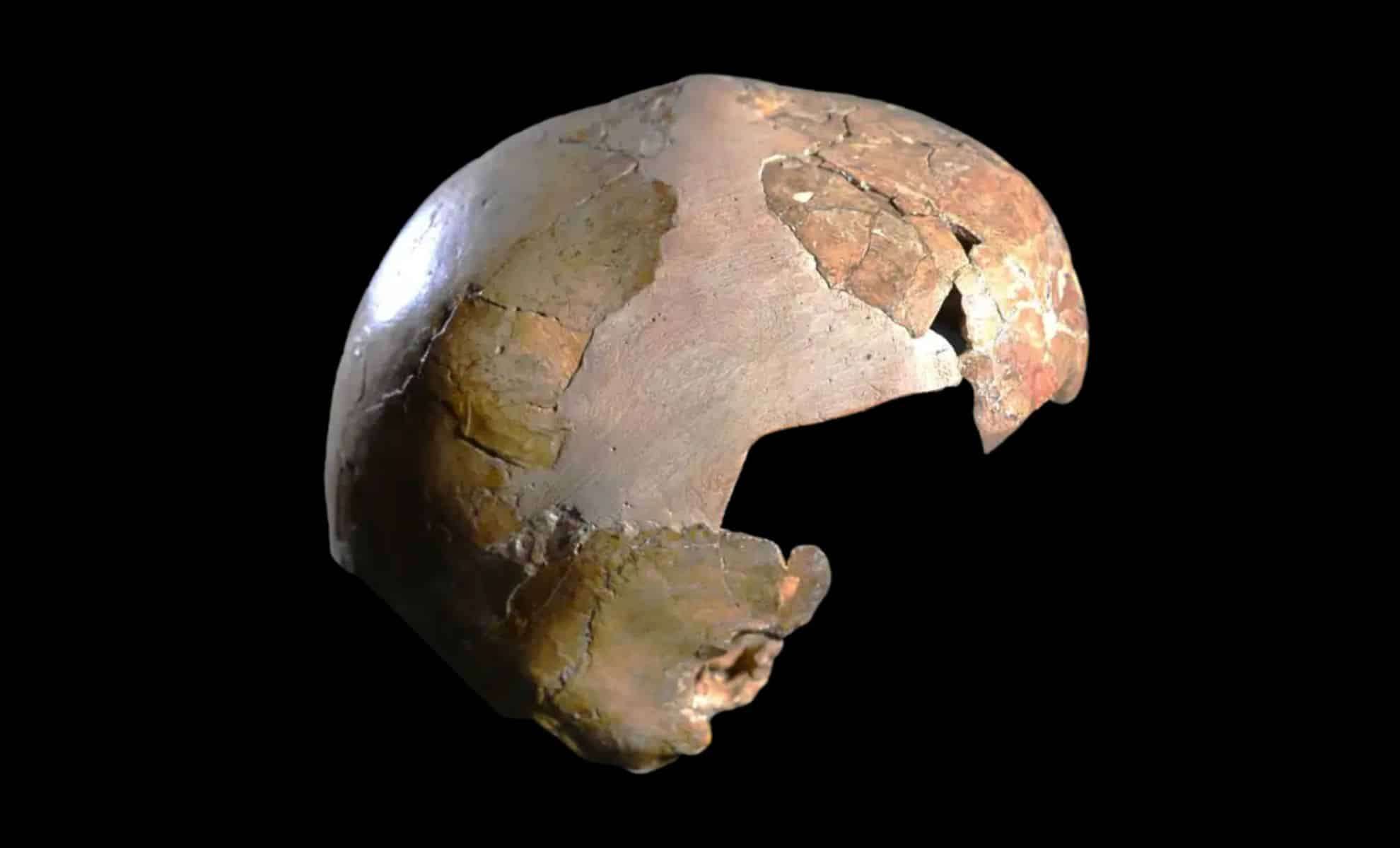
Unearthed from Skhul Cave on Mount Carmel, Israel, a skull dating back 140,000 years has become a pivotal piece in understanding human evolution. Recent studies suggest it belonged to a five-year-old girl born to parents from two distinct human species: Neanderthals and Homo sapiens.
Insights from Fossilized Remains
Discovered in 1929 during initial digs at Skhul Cave, this cranium was among many skeletal finds from the site, including seven adults, three children, and bones of a total of 16 hominins. These relics were traditionally classified as Homo sapiens. New research, however, highlights overlooked hybrid characteristics in at least one specimen.
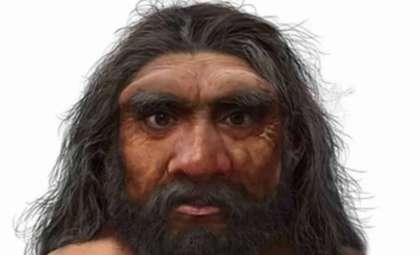
The young girl’s skull combines features characteristic of both modern humans and Neanderthals, leading experts to propose her ancestry crossed species lines. Paleoanthropologist Israel Hershkovitz spearheaded the morphological study revealing traits that defy classification within a single hominin group.

Hershkovitz’s team suggests this unique blend of features is evidence of interbreeding between separate human lineages, occurring much earlier and more extensively than formerly believed.
“I have long thought that hybridisations were not viable and I continue to think that they were mostly abortive. This skeleton reveals that they were nevertheless possible, even though this little girl lived only 5 years,” stated Anne Dambricourt Malassé from France’s Institute of Human Paleontology.
Earliest Burial Site Reveals Ancient Mortuary Customs
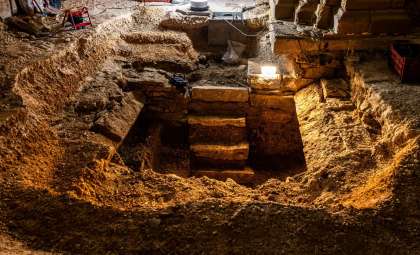
The find gains further significance from its archaeological setting. The girl was buried in what may be the oldest documented cemetery, indicating that sophisticated burial traditions existed far earlier than assumed.
“We do not know who buried this child, whether this place chosen to bury the corpse was that of a single community, or whether communities from different lineages, but which coexisted and established contacts or even unions, shared rites and emotions,” Malassé remarked.
The existence of such an organized burial site challenges assumptions that ritual practices were unique to modern Homo sapiens. If the child was a hybrid, it implies that both Neanderthals and early modern humans engaged in symbolic activities like deliberate burial, reflecting advanced cognitive and emotional capabilities commonly underestimated in early human relatives.
Revisiting the Chronology of Human-Ancient Interactions
This discovery raises new inquiries about the timing and geographic intersections of different human populations. While genetic evidence has long shown interbreeding between Neanderthals and Homo sapiens—especially across Europe and parts of Asia—this skull offers direct anatomical proof from the Levant, a crucial region for ancient migrations.
Considering the age and morphology of the remains, this finding might prompt scholars to reevaluate how biological and cultural exchanges occurred among various species during the Middle Paleolithic era.
- Categories:
- News

0 comments
Sign in to Comment