
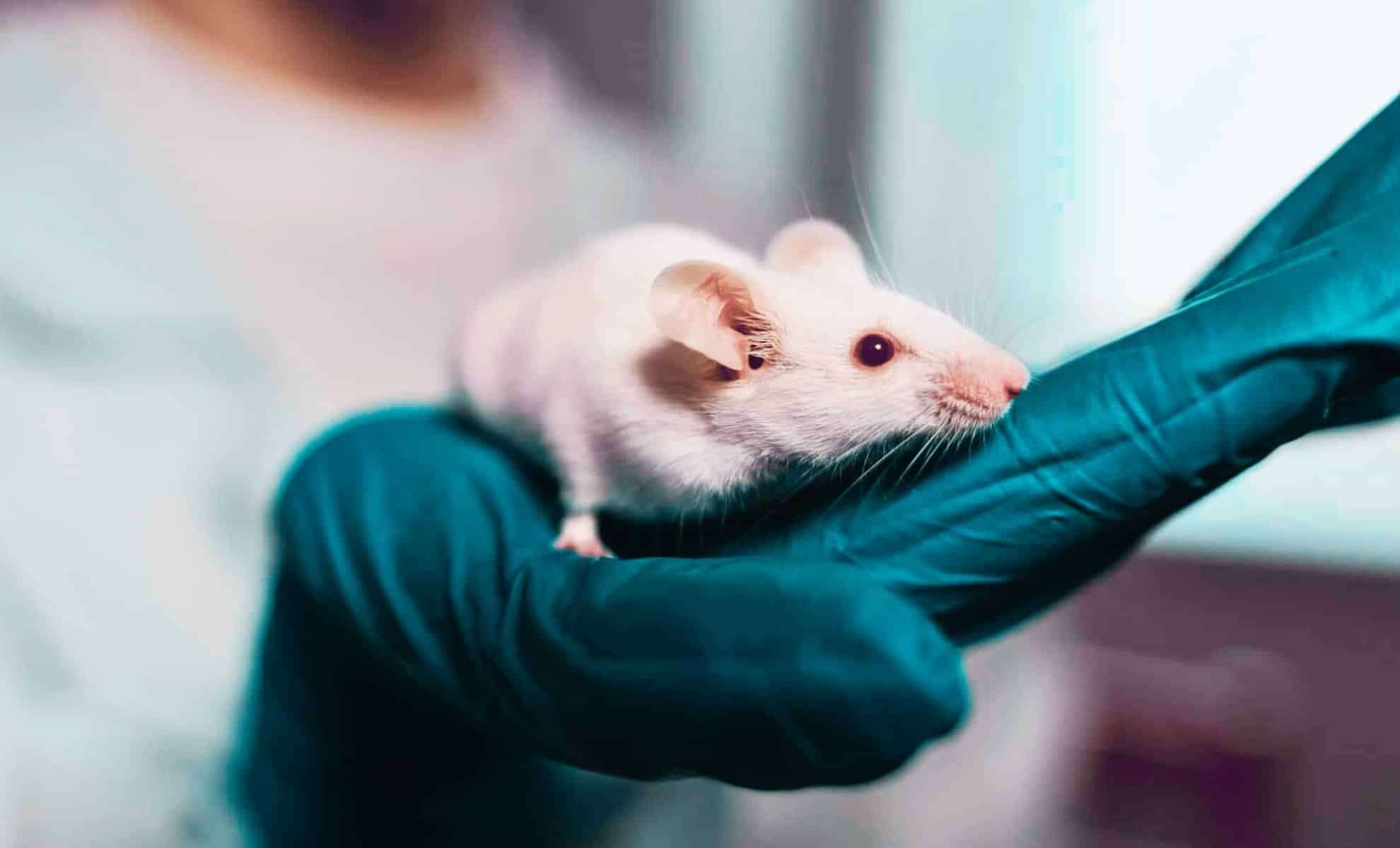
Researchers in Japan have made a groundbreaking discovery by inserting a gene from a 40,000-year-old Neanderthal into mice, resulting in remarkable alterations to their bone structure. This cutting-edge gene-editing work offers fascinating insights into the ancestral physical features of early humans and their evolutionary path.
Bringing Neanderthal Characteristics to Life in Mice
At Kyoto Prefectural University of Medicine, the team led by Dr. Ako Agata and Dr. Tadashi Nomura utilized CRISPR to integrate a specific gene variant known as GLI3, found in both Neanderthals and Denisovans, into laboratory mice. Their findings, published in the BioRxiv journal, aimed to shed light on how these ancient gene variants influenced skeletal differences observed between archaic humans and modern Homo sapiens.
The focus was on the R1537C mutation within the GLI3 gene, which plays a key role in developing bones and organs during embryogenesis. This mutation is linked to the distinctive skeletal traits seen in Neanderthal fossils, such as wider rib cages, elongated skulls, and pronounced brow ridges.

Mice Develop Striking Ancient Human-Like Bones
The genetically engineered mice rapidly exhibited physical characteristics reminiscent of Neanderthal anatomy. Some showed enlarged skulls, others developed spinal curvatures akin to scoliosis, and several presented unusual rib cage formations. These changes align closely with skeletal features documented in Neanderthal fossil evidence, including expanded thoracic cages and increased rib curvature.
This study offers one of the most compelling examples to date of how isolated ancient genetic mutations can directly impact bone morphology. Remarkably, the mice displayed these traits without the severe developmental defects often tied to GLI3 mutations, indicating that R1537C subtly influences skeletal growth.
Legacy of Neanderthal Genes in Today’s Humans
Interestingly, the R1537C mutation remains present, albeit rarely, in contemporary humans, especially among non-African populations. Data from the 1000 Genomes Project indicate this gene variant occurs in roughly 3.7% to 7.7% of Europeans, with lower prevalence in African groups.
This persistence suggests that Neanderthal genetic influences may still shape aspects of modern human physiology, notably bone development and possibly risk factors for certain health conditions, despite the species’ extinction thousands of years ago.
Exploring Effects of Ancient Genetic Legacy
The team continues to examine how the R1537C variant interacts with the greater human genome. Their results imply that Neanderthals possessed fewer developmental restrictions, enabling mutations like R1537C to last and contribute to their distinct skeletal form. This research provides a window into the enduring imprint of archaic human DNA in modern populations.
Although the engineered mice did not display extreme deformities such as polydactyly or limb abnormalities commonly associated with GLI3 mutations, subtle developmental changes were evident. These findings underscore how ancient gene variants played a vital role in shaping not just extinct hominins but also contemporary human biology.
- Categories:
- News








0 comments
Sign in to Comment