
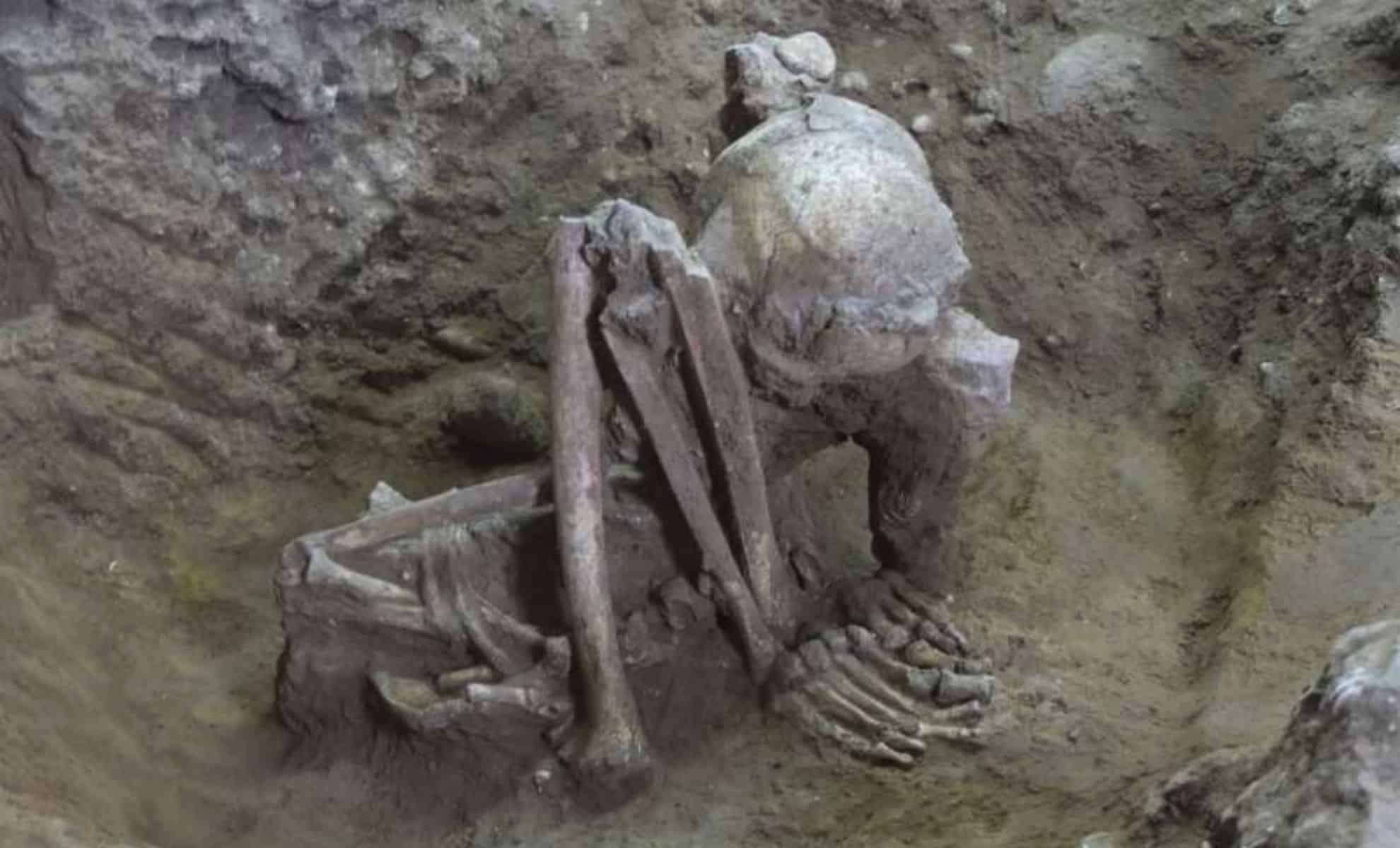
Recent research challenges the conventional view of mummification, commonly associated with Egypt or South America. Scientists now propose that the earliest preserved mummies might originate from Southeast Asia, dating back over 12,000 years. This revelation, detailed in Proceedings of the National Academy of Sciences, uncovers ancestral burial customs that demonstrate an ancient, intentional effort to prevent decomposition.
Revising the History of Mummification
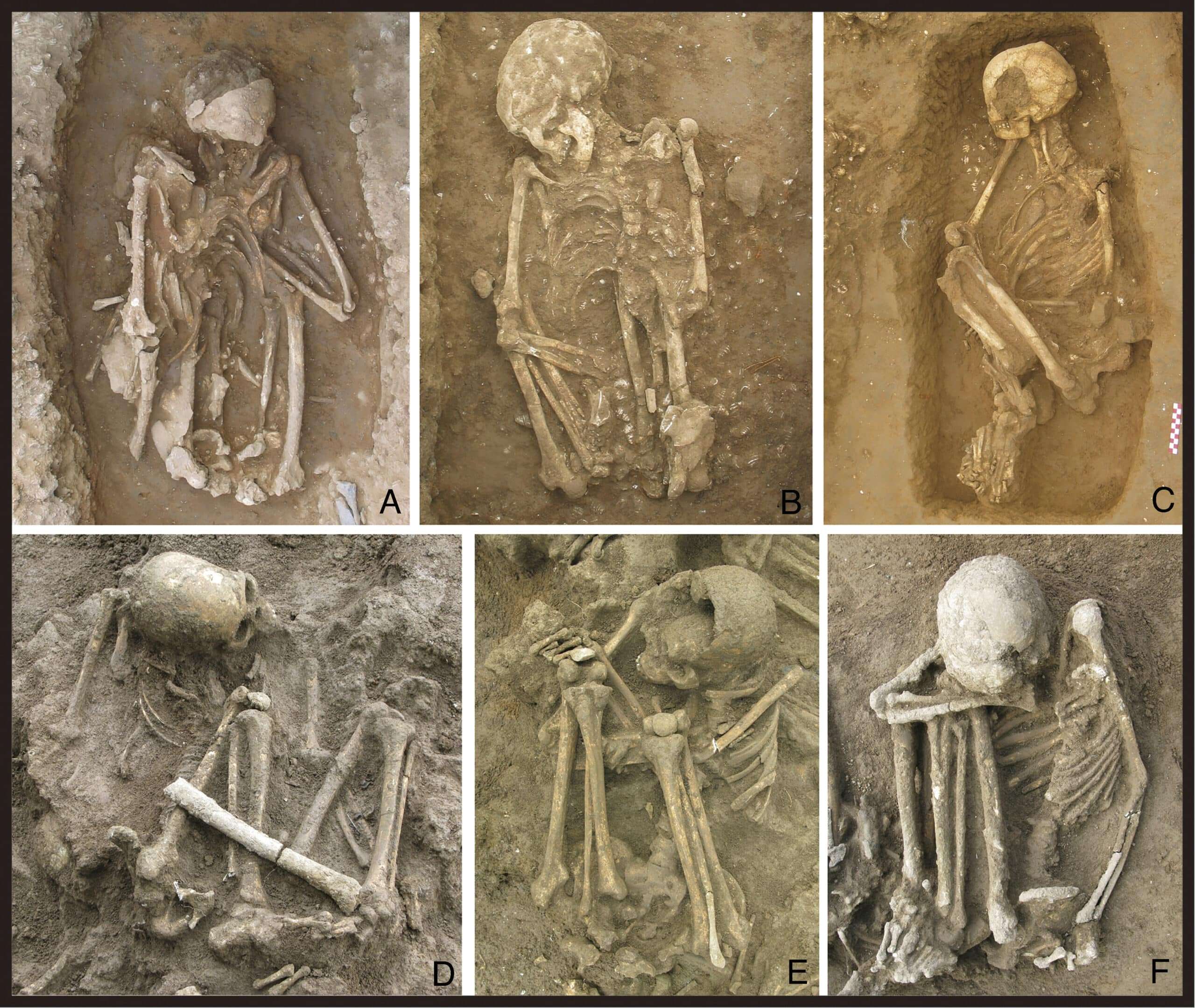
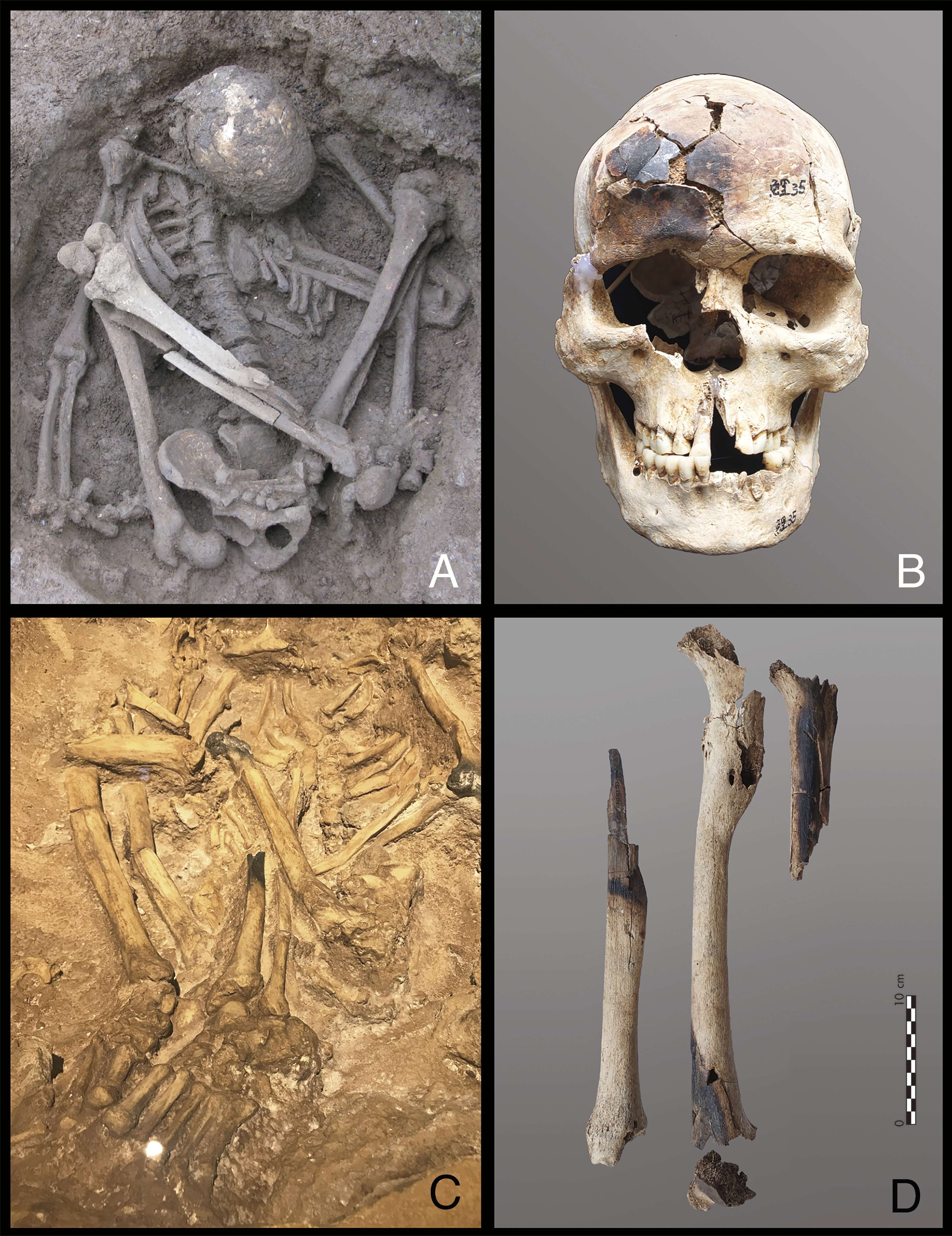
Mummies typically evoke images of Egyptian tombs or the 7,000-year-old Chinchorro mummies found in Peru and Chile. However, this new study extends the timeline for the practice by another 5,000 years. Researchers analyzed skeletal remains from locations across China, Vietnam, and wider Southeast Asia, including the Philippines, Laos, Thailand, Malaysia, and Indonesia. They noticed that many bodies were interred in crouched or squatting poses alongside evidence of cut marks and charring on the bones.
Initially, these burn traces might suggest violence or funerary burning rituals, but further investigation reveals a different story: the deceased were deliberately exposed to heat. Scientists believe these communities employed smoke-drying, an early preservation technique analogous to methods still used in regions like Papua New Guinea.

Fire, Smoke, and Keeping Spiritual Bonds Alive
This preservation likely involved slowly drying the bodies with smoke, effectively retarding decay. Unlike natural mummification that happens in extreme climates or bogs, this technique was clearly purposeful. According to lead author Hirofumi Matsumura from Sapporo Medical University, this approach enabled people to maintain a link to their ancestors, blending physical presence with spiritual continuity.
This concept resonates with how many ancient peoples perceived death—not as an end, but as a transformation keeping ancestors close to guide future generations. Remarkably, these individuals weren't interred to be forgotten but rather preserved to endure through time.
Traditions That Persist Today
Though ancient, the practice of smoke-drying remains alive. Indigenous groups in Australia and Papua New Guinea continue to use similar preservation techniques, pointing to a longstanding cultural heritage passed down over millennia.
However, skepticism remains. Rita Peyroteo Stjerna, an expert in human evolution at Uppsala University not involved with the research, commended the findings but advised prudence. She noted that the dating techniques could improve, and it's unclear if smoke-drying was widespread across all studied regions.
Mummification Origins Marked by Fire and Smoke
Despite remaining questions, this evidence positions Southeast Asia as a potential cradle of early mummification, predating preservation techniques in the Atacama Desert or along the Nile River. The condition of corpses, presence of burn marks, and lack of environmental causes for natural mummification imply a deliberate preservation ritual.
What stands out is the simplicity of this method, which did not rely on elaborate monuments or sacred writings. Instead, the process depended on fire, smoke, and the power of remembrance—tools accessible to hunter-gatherer societies living in some of humanity’s earliest flourishing settlements.
- Categories:
- News




0 comments
Sign in to Comment