
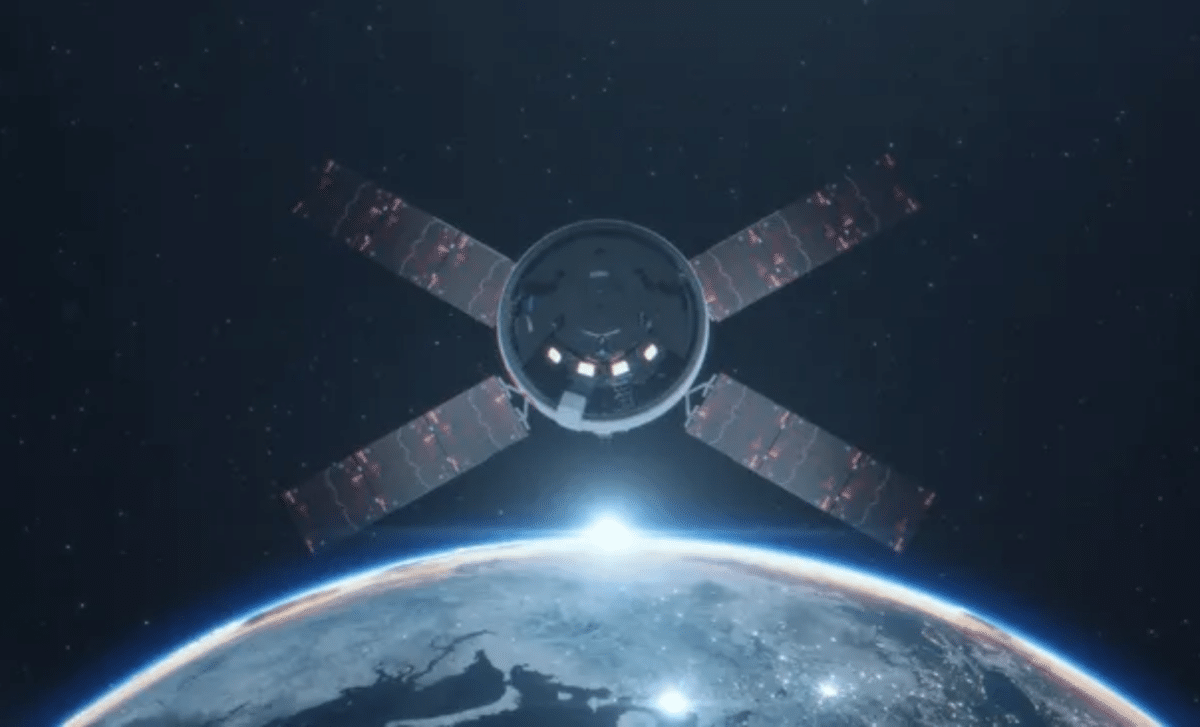
The much-anticipated Artemis 3 mission, initially designed to return humans to the Moon, is undergoing significant changes following a recent Space News article revealing a major mission redesign. This shift towards a complex low Earth orbit (LEO) test, accompanied by schedule setbacks, marks a critical juncture for NASA’s Artemis program. Incorporating various spacecraft, commercial collaborators, and novel coordination tactics, Artemis 3 is evolving into a high-stakes integrated systems demonstration that could influence the future pace of lunar exploration.
Transitioning to an Orbital Test Mission
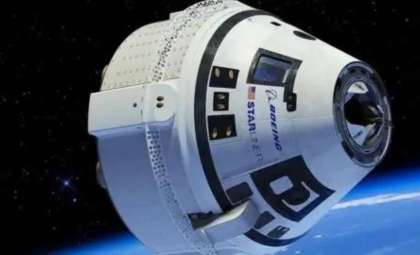
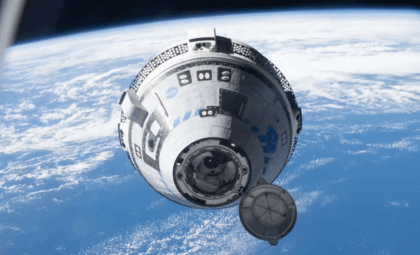
NASA’s pivot from a direct lunar touchdown to an orbital rendezvous test with Artemis 3 represents a strategic adaptation driven by technical challenges and programmatic constraints. Rather than flying directly to the Moon, the Orion spacecraft will now attempt to dock and cooperate with lunar landers crafted by SpaceX and Blue Origin, simulating key maneuvers necessary for future Moon landings.
As detailed in a Space News report, this mission concept mirrors the approach taken by Apollo 9, which validated lunar module operations in Earth orbit prior to Apollo 11’s historic surface landing. The complexity lies in not only executing each piece flawlessly, but also in coordinating multiple launches, aligning orbital trajectories, and integrating systems still under development. Selecting a common orbital rendezvous point and launch window presents an increasing logistical challenge. Although this approach adds operational flexibility, it simultaneously introduces fresh uncertainties absent from the original flight plan.

Progress in Hardware, Yet Strategic Details Remain Unsettled
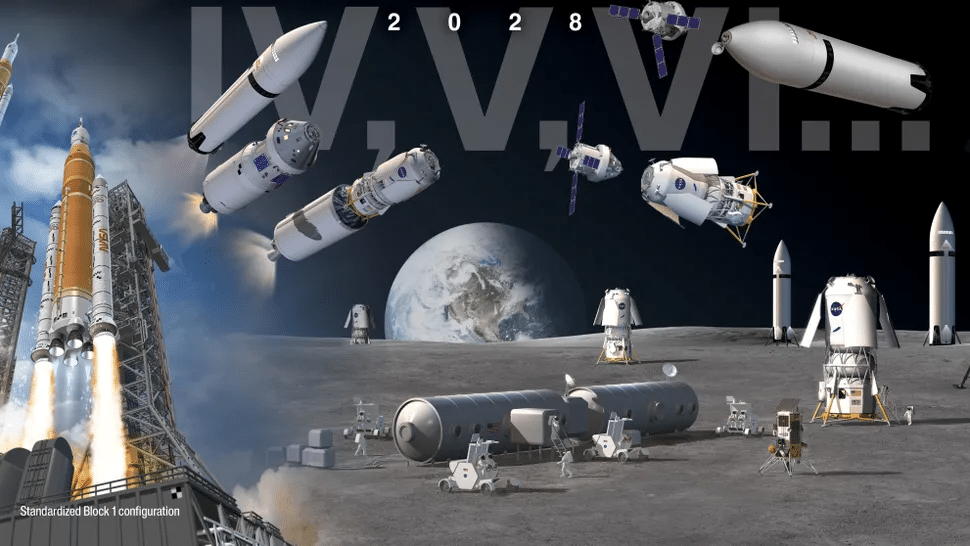
On the infrastructure front, work progresses steadily at Kennedy Space Center, where the core stage of the Space Launch System (SLS) designated for Artemis 3 has been transported to the Vehicle Assembly Building. Additional booster components are arriving consistently, with assembly strides confirming ongoing mission preparation. Meanwhile, integration of the Orion capsule is advancing as its crew and service modules prepare to be joined. Despite these developments, essential parameters—such as orbital profiles, mission length, and operational procedures—are still under discussion.
This situation creates a peculiar paradox: while the launch vehicle is physically nearing readiness, the mission’s framework itself lacks full definition. Conversations about flying the SLS without its upper stage, aiming to conserve hardware for subsequent flights, highlight how design choices are actively influencing program timelines and complexity. These evolving engineering decisions emphasize that Artemis 3’s mission architecture remains a work in progress even as hardware matures.
Spacesuit Development and Crew Selection Face Uncertainties
Beyond spacecraft and propulsion, Artemis 3 hinges on emerging systems including next-generation lunar spacesuits being developed by Axiom Space. How exactly these suits will be employed on the mission continues to be unclear, reflecting wider ambiguity about mission objectives. Russell Ralston, senior VP and general manager for extravehicular activities at Axiom, explained,
“It would certainly be a valuable exercise, but we just don’t have the specifics at this time.” This ambiguity extends to the astronaut crew itself, which has yet to be announced. “I believe we’re not far away from announcing the Artemis 3 crew,” NASA Administrator Jared Isaacman said in an April 30 ABC News interview. “When you think about your timing, when you’re a year-plus out from a mission, that’s when you want to get them into training.”
The unknown crew selection indicates how unsettled the mission schedule remains, complicating timelines for training and operational preparedness pending a confirmed launch schedule from NASA.
Delays Push Artemis 3 Launch Closer to End of 2027
One of the most pressing hurdles for Artemis 3 is its shifting timetable, with official launch targets steadily moving beyond initial projections. “Our direction is no earlier than March, no later than June” of 2027, stated program manager Chojnacki. However, more recent updates imply this period might be optimistic, with internal evaluations favoring a launch in the latter half of 2027. NASA Administrator Jared Isaacman highlighted, “I’ve received responses from both [HLS] vendors, both SpaceX and Blue Origin, to meet our needs for a late 2027 rendezvous and docking, and test the interoperability of both landers, in advance of a landing attempt in 2028,” during a House appropriations subcommittee hearing on April 27.
A postponement toward the end of 2027 could have ripple effects, complicating NASA’s goal of executing two crewed lunar landings in 2028. The agency has laid out an ambitious mission cadence approximately ten months apart, but delays strain this schedule considerably. As the critical pathway mission, Artemis 3 now stands as a potential bottleneck shaping the timeline and success of subsequent lunar expeditions.
- Categories:
- News








0 comments
Sign in to Comment