
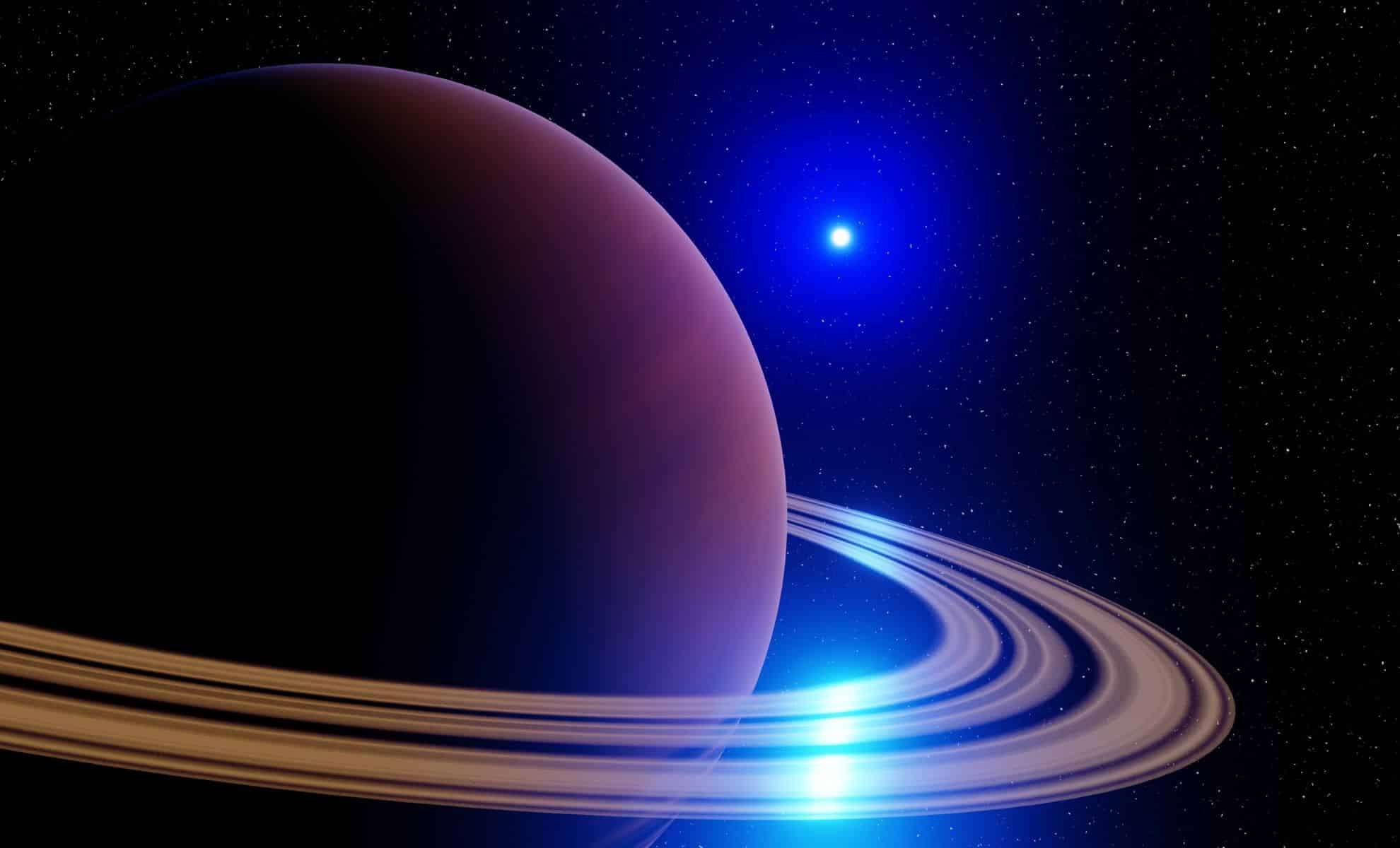
An unexpected flash of light observed on Saturn has ignited enthusiasm among astronomers. Captured by NASA engineer and avid stargazer Mario Rana, this fleeting burst could represent the first confirmed collision on the planet known for its iconic rings—an event that is theorized to occur multiple times annually but has never been directly documented.
Potential Evidence of a Rare Impact on Saturn
Research suggests that Saturn is struck by roughly seven asteroids or comets each year. Despite this, no visual confirmation has ever been made—until possibly now. This recently detected flash was recorded by Rana through the DeTeCt project, a collaborative effort utilizing specialized software to examine amateur videos of Jupiter and Saturn, aiming to reveal impact occurrences. The software flags transient light flashes attributable to impacts, but to confirm such an event, at least two observations from distinct instruments must be independently verified.
To date, Rana’s video remains the sole evidence capturing this enigmatic flash. Whether this represents an actual faint impact signature or merely a camera artifact such as a noisy pixel, as noted by Ricardo Hueso from the University of the Basque Country in Spain, is still uncertain. The team is urgently appealing for any additional observations recorded between 9:00 and 9:15 UTC on July 5th, hoping that other telescope operators may have incidentally captured the same event.

Seeking Additional Confirmation
Without corroborating data, experts remain skeptical. “If only a single observer detects the flash—and that is the current situation—there’s still a significant probability it might be an observational artifact,” explained Leigh Fletcher from the University of Leicester, UK.
Only when a second independent observation validates the sighting can the phenomenon be confirmed as a planetary impact. “If someone else spots the identical flash, then we’ve undeniably caught an impact event,” he remarked.
Fortunately, the surge in amateur astronomy might aid in verification. Mark Norris of the University of Central Lancashire points out that the proliferation of advanced telescopes in the hands of amateurs increases the chances that the event was unknowingly recorded but overlooked or dismissed as noise. Astronomers worldwide are encouraging observers to scrutinize any Saturn footage captured within the targeted time frame.
- Categories:
- News



0 comments
Sign in to Comment