
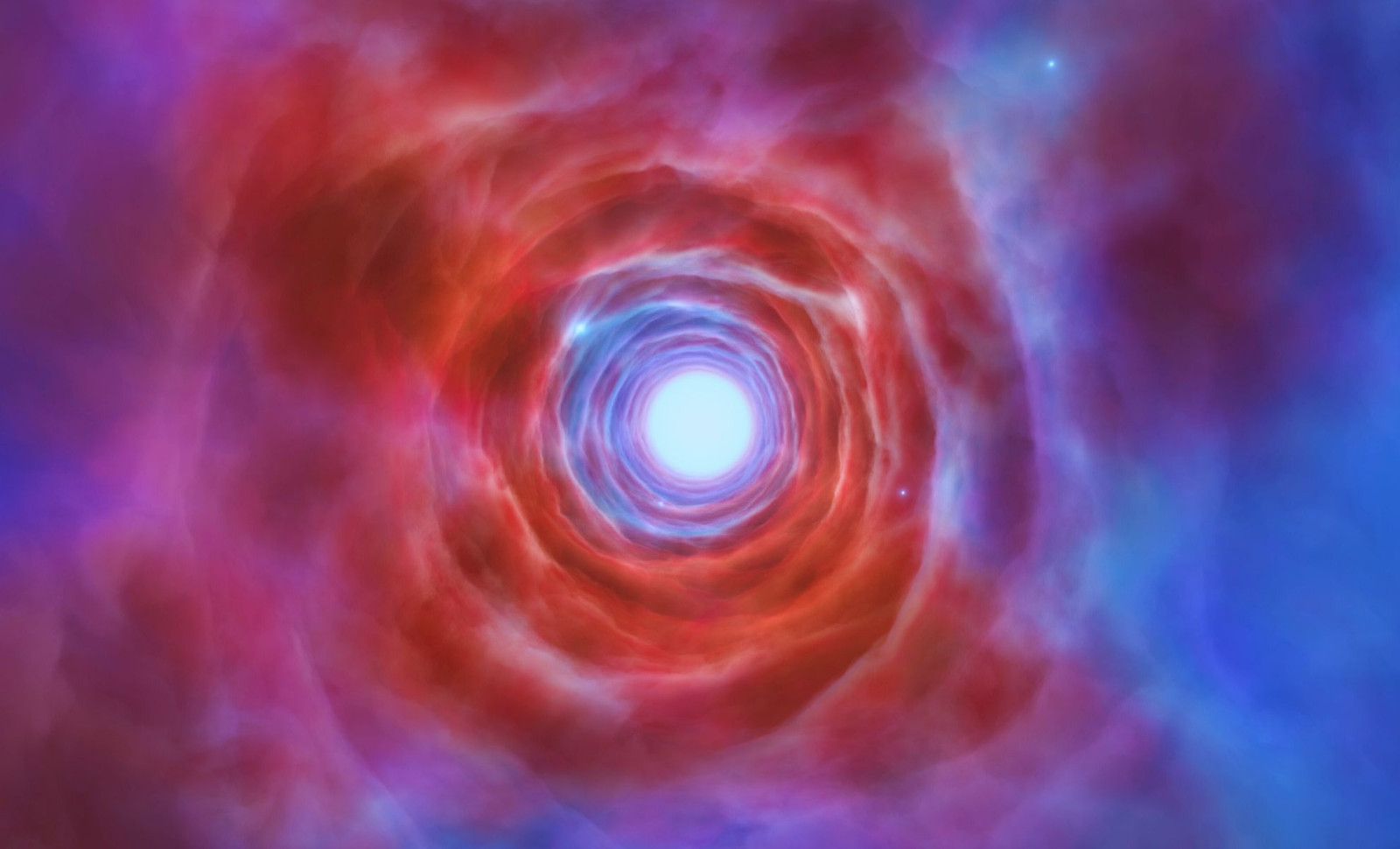
Invisible pathways dubbed “interstellar tunnels” have recently been identified, connecting hot gas regions in our Milky Way to zones bustling with stellar activity. This discovery overturns the long-held view of interstellar space as a vast empty void. Detected using data from the eROSITA space telescope, these tunnels reveal a far more intricate and interconnected cosmos than previously recognized.
Rather than being a desolate emptiness, interstellar space now appears as a complex web of thermal structures. These corridors, shaped by ancient supernova explosions, facilitate the movement of matter and energy throughout the galaxy. Insights gained from eROSITA’s latest observations offer an unprecedented perspective on our cosmic surroundings.
Interstellar Passageways Linking Far-Flung Galactic Zones
Where once thought barren, the interstellar medium now reveals surprising complexity thanks to findings from eROSITA. Scientists have detected pockets of hot gas aligned to form continuous channels connecting distinct regions within the Milky Way. These interstellar tunnels serve as conduits between hot gas areas and regions of intense stellar formation, such as those seen in Centaurus and Canis Major.

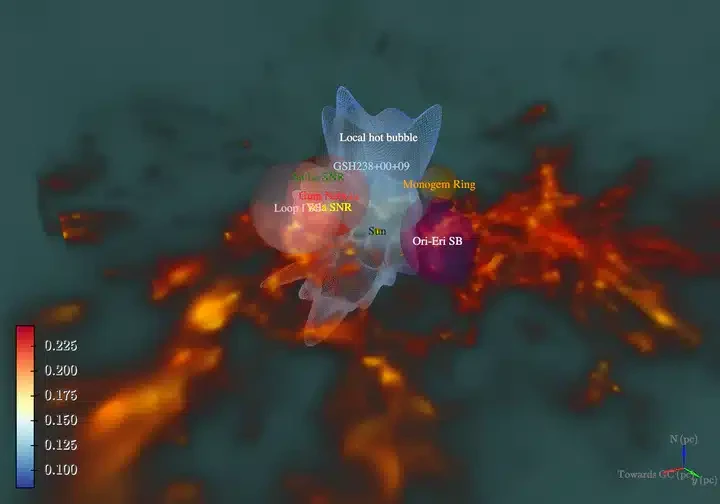
The genesis of these tunnels stems from supernova events dating back millions of years. These cosmic explosions forged interconnected cavities, creating pathways through which matter and energy circulate across the galaxy. Understanding these tunnels is vital for grasping how hot gas flows influence galactic behavior.
The Local Hot Bubble: A Supernova Legacy
Our solar system lies within the so-called “local hot bubble,” a massive chamber filled with ionized gas that extends roughly 300 light-years. Formed by consecutive supernova explosions, this bubble harbors plasma reaching millions of degrees in temperature. eROSITA’s studies reveal that it comprises two distinct halves: a cooler northern region and a southern hemisphere with exceptionally high temperatures.
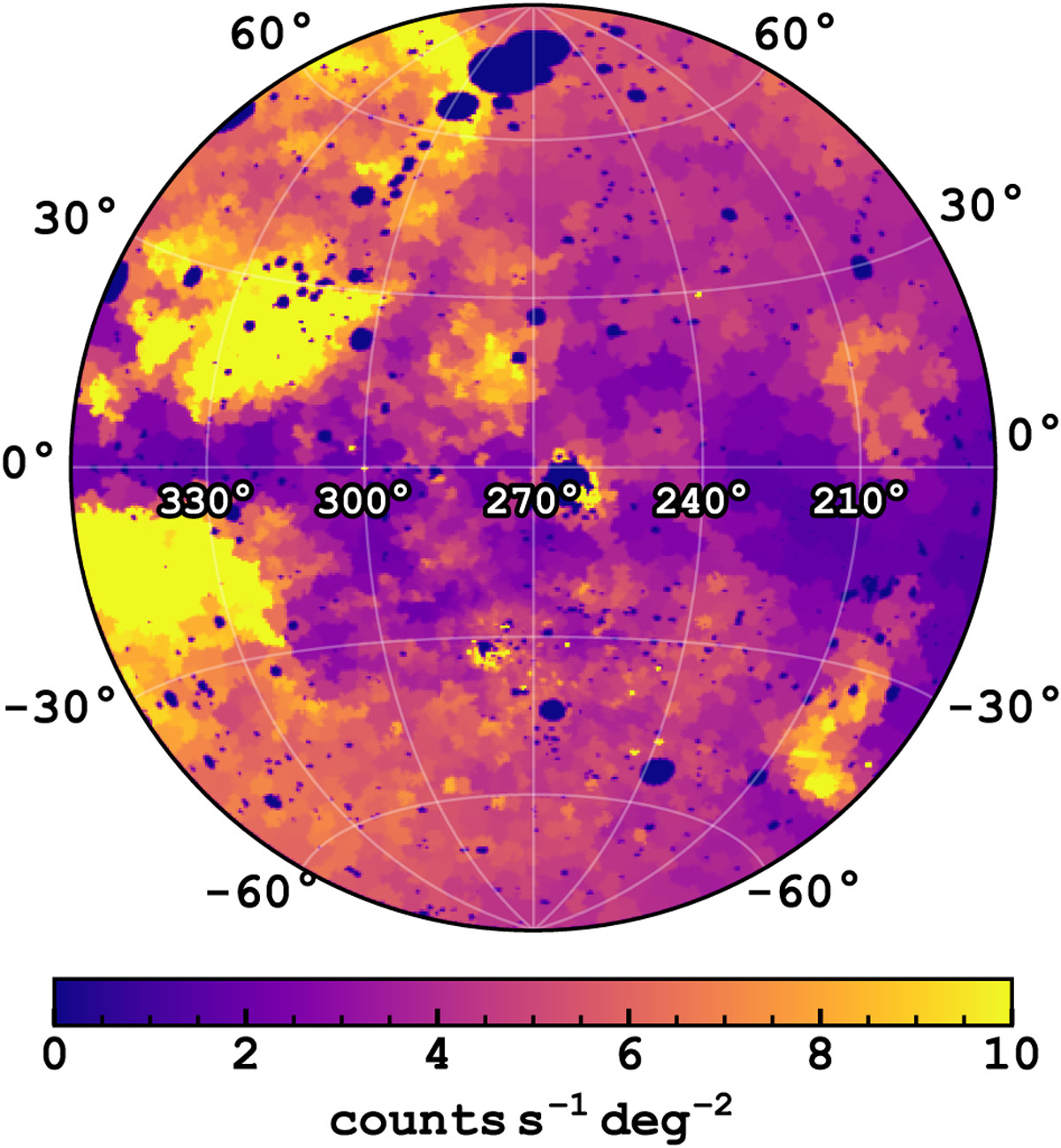
Identifying this temperature difference is a major leap in unpacking the interstellar medium’s architecture. These hot gas pockets are more than leftover debris; they play a pivotal role in the galaxy’s evolving dynamics. Their influence extends to phenomena such as cosmic ray movement and the formation of new stars.
Crafting a New Three-Dimensional Galactic Blueprint
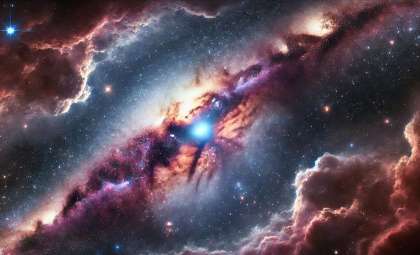
The existence of these interstellar passageways challenges the idea of space as an empty expanse. Published in Astronomy & Astrophysics, the research posits that these tunnels establish a vast network linking remote sections of our galaxy, crafting a dynamic and interconnected galactic map. Findings from eROSITA are instrumental in creating a 3D representation of interstellar space, where streams of hot gas traverse hidden corridors beyond the reach of optical instruments.
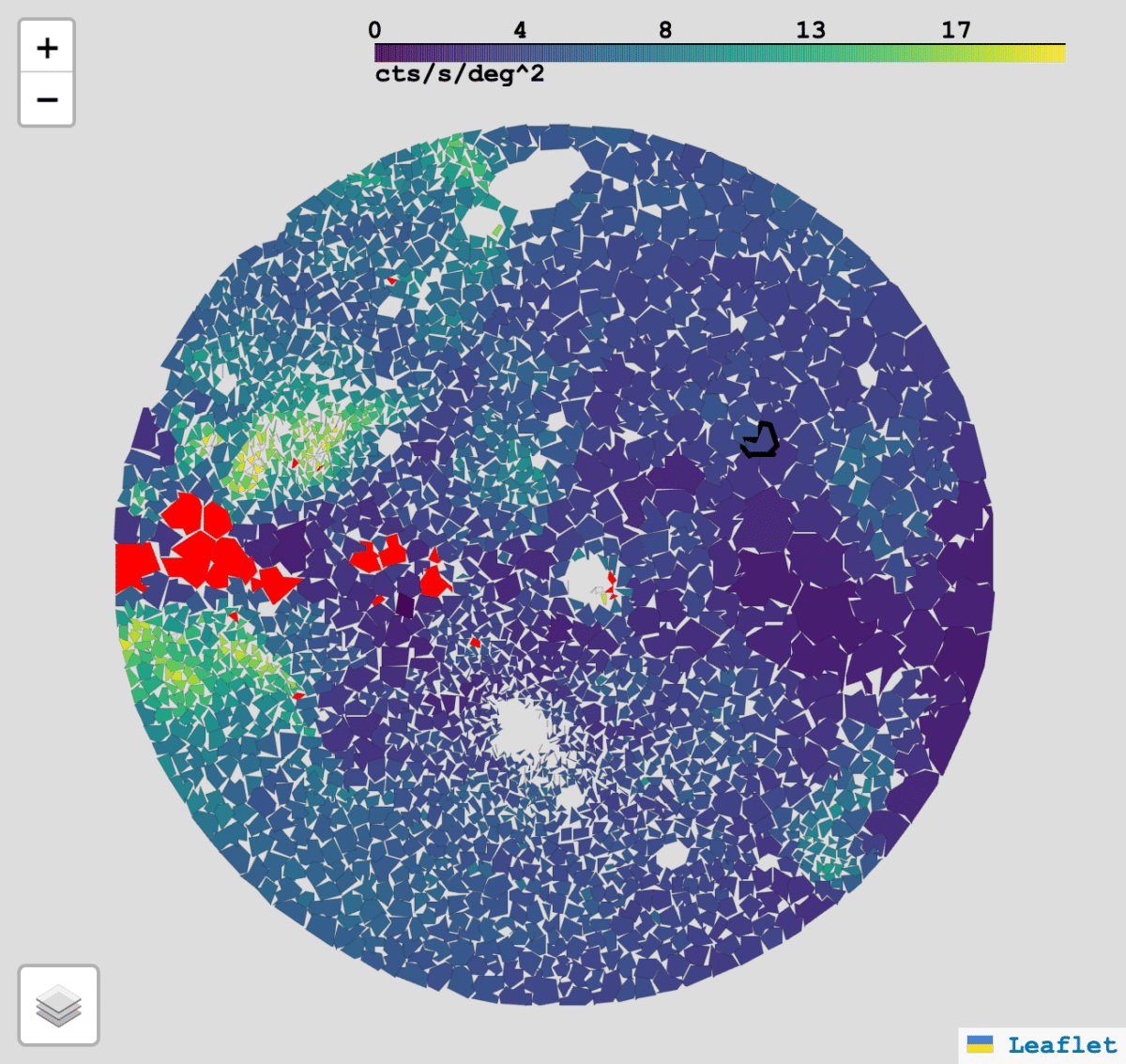
This novel interstellar map promises to enhance our astronomical models substantially. By precisely tracing how matter and energy traverse the Milky Way, researchers can improve predictions about stellar evolution and better understand the interplay of various galactic phenomena. These interstellar tunnels are thus key components for unraveling the universe’s inner workings.
- Categories:
- Space



0 comments
Sign in to Comment