
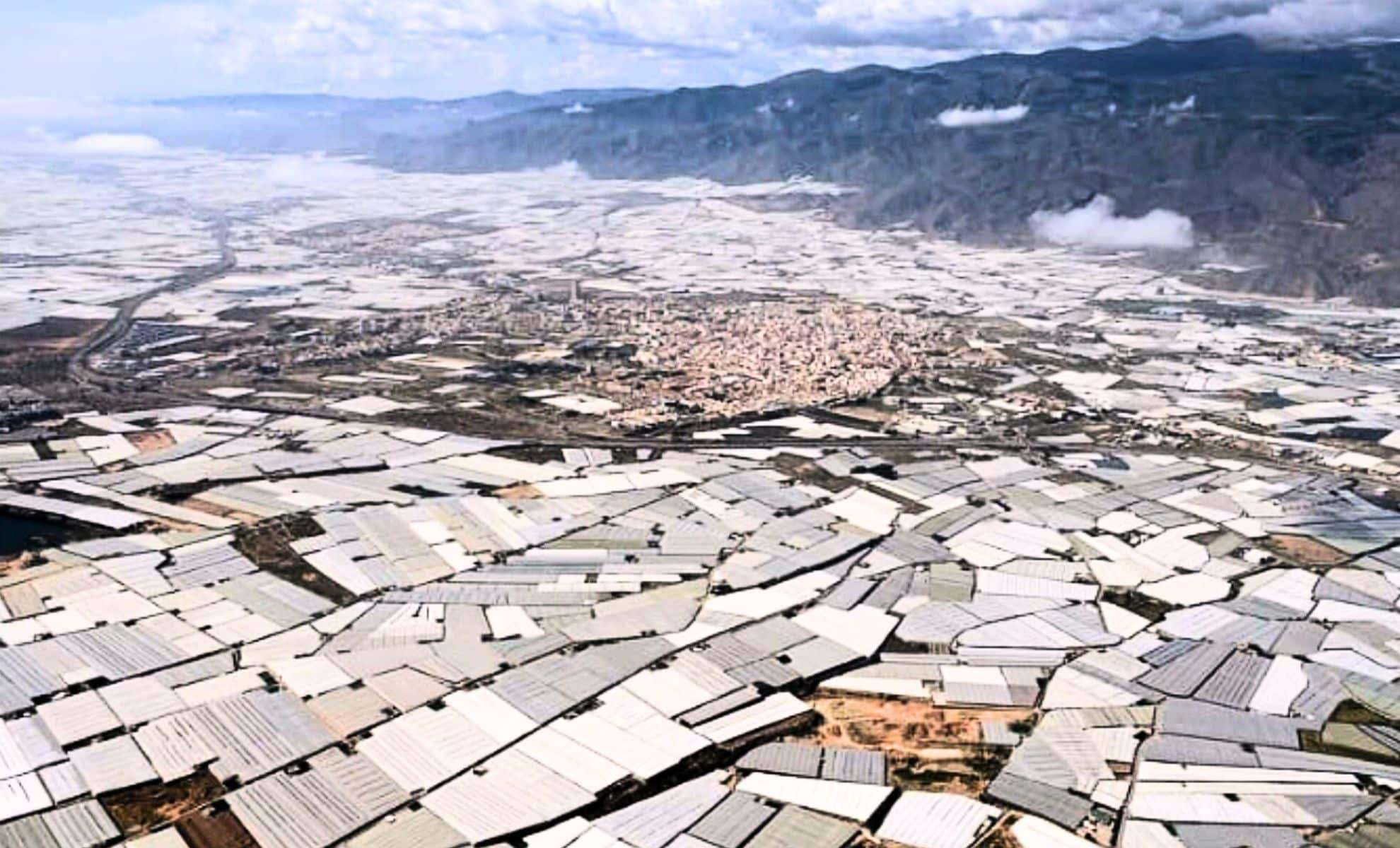
For generations, iconic creations like the Great Wall of China and the Pyramids of Giza have captivated observers, often described as landmarks discernible from orbit. However, a modern engineering feat also captures attention from space: the immense collection of plastic-covered greenhouses in southeastern Spain. Spanning over 40,000 hectares, this extensive agricultural complex has profoundly transformed the terrain while sparking both admiration and debate.
Reclaiming Desert Terrain for Global Agriculture
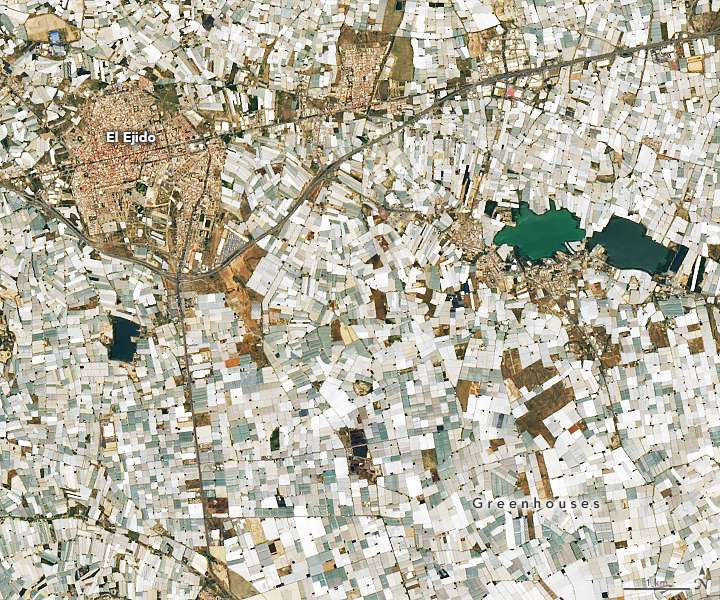
Situated close to El Ejido within the province of Almería, this vast expanse of plastic greenhouses has become one of Europe’s leading hubs for vegetable cultivation. These structures primarily nurture crops like tomatoes, peppers, cucumbers, and melons. Originating in the 1950s, farmers adopted plastic coverings to shield plants from the region’s arid climate and saline groundwater, a strategy that quickly spread. This innovation sparked the rise of greenhouse agriculture across the area.
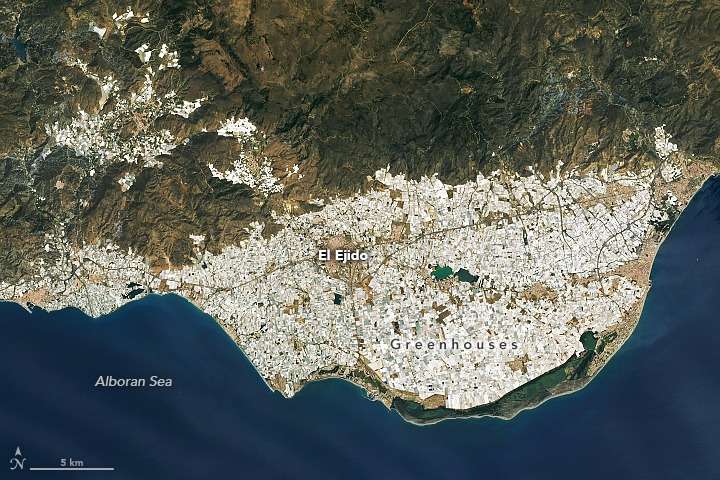
Currently, Almería stands among the world’s foremost producers of greenhouse vegetables, exporting millions of tons each year. The expansive arrays of greenhouses, topped with reflective white plastic, are so vast that they are visible from outer space. According to the NASA Earth Observatory, their brilliant surfaces reflect sunlight, presenting a unique spectacle even from orbit.

More Than Just Agriculture: Cooler Local Temperatures
The reflective nature of the greenhouse roofs creates an unexpected environmental phenomenon: a localized cooling effect. Satellite data from NASA reveal that between 1983 and 2006, the surface temperature in this area decreased by approximately 0.3°C per decade, even as nearby regions warmed by 0.5°C each decade. This cooling is attributed to the high reflectivity of the plastic roofs, counteracting regional climate warming.
Despite this beneficial cooling, the region faces significant environmental challenges. Heavy plastic use, intensive farming techniques, and substantial water demands raise sustainability concerns. As the greenhouses continue to sprawl, the ecological implications of covering such vast land in plastic stir ongoing debate.
Innovation Confronts Environmental Challenges
The journey of these greenhouses has brought both triumph and hurdles. Originally aimed at protecting crops and conserving moisture, the widespread application of plastic roofing has generated significant environmental concerns. Chief among these is the accumulation of plastic waste as the materials degrade, complicating local waste management efforts. Furthermore, the intensive water use in an already dry zone adds stress to scarce resources.
Nevertheless, Almería’s plastic greenhouse landscape has emerged as a powerful example of human adaptability, offering a novel approach to farming in a challenging environment. As expansion continues, however, determining whether ecological costs will overshadow these advantages remains an open question.
This vast plastic-covered expanse serves as both a testament to human innovation and a cautionary illustration of the fragile relationship between advancement and environmental stewardship.
- Categories:
- News












0 comments
Sign in to Comment