
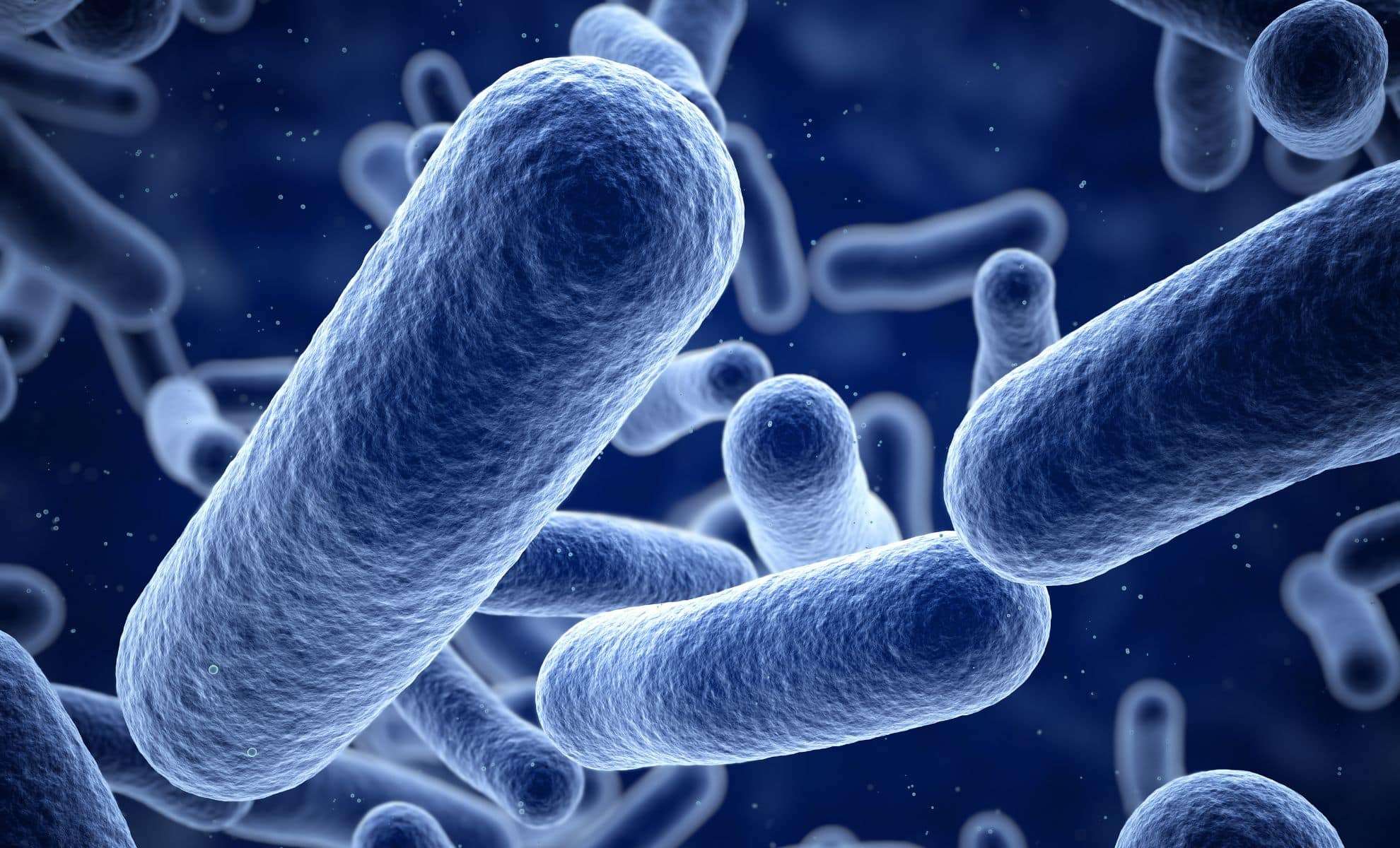
Researchers have unveiled a remarkable bacterium that challenges conventional ideas about bacterial dimensions and intricacy. Reported in the Science journal, this microorganism can reach lengths close to one centimeter—comparable to the thickness of a human eyelash—setting a new record for the largest bacterium ever documented.
Astonishing Size and Unusual Features of This Microbe
While most bacteria measure only a few micrometers, with typical lengths near 2 micrometers and few species extending up to 750 micrometers, Thiomargarita magnifica far surpasses these figures. Individual cells commonly exceed 9,000 micrometers, nearing one centimeter, and some extend to 2 centimeters in length. To visualize this scale, it would take over 625,000 Escherichia coli cells to cover the surface area of a single T. magnifica cell.
This gigantic size is accompanied by specialized cellular structures. Unlike most bacteria whose genetic material is dispersed freely within the cell, T. magnifica houses its DNA within membrane-enclosed areas known as pepins, a trait typically associated with the more complex cells of plants and animals.

Survival Strategies of Thiomargarita magnifica in Mangrove Ecosystems
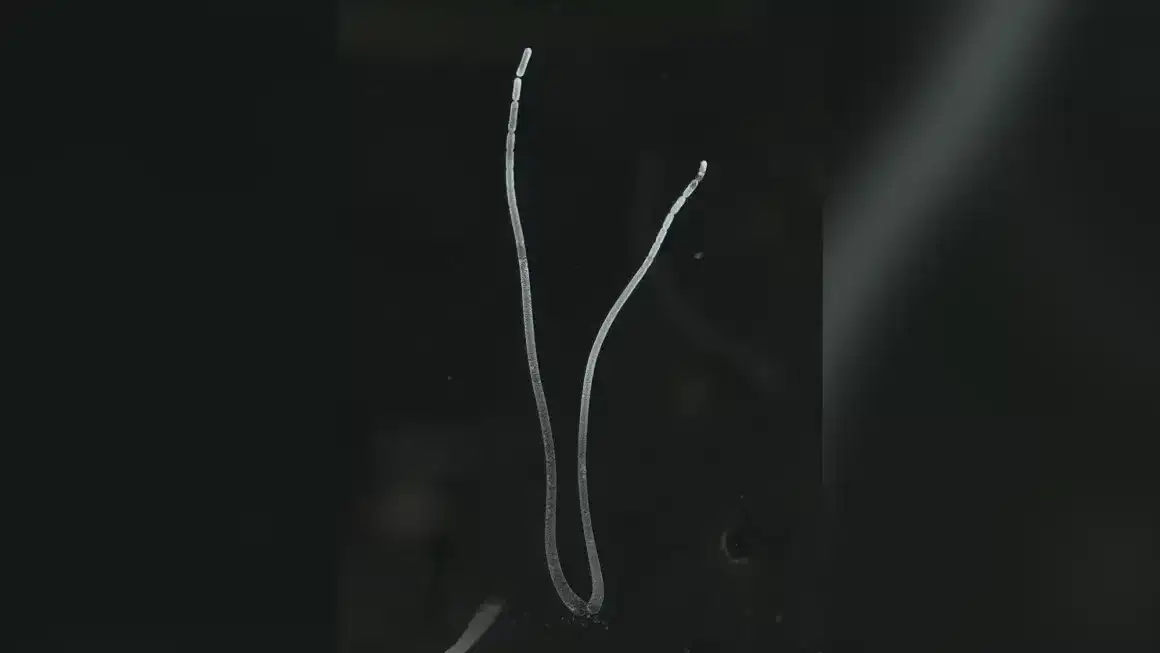
T. magnifica was initially identified as slender white filaments growing on decomposing mangrove leaves submerged in warm, shallow marine swamps. Thriving in sulfur-rich sediments, these bacteria utilize sulfur compounds to obtain chemical energy, while drawing oxygen from the water to generate sugars. They also engage in carbon dioxide fixation to synthesize nutrients supporting their metabolism.
Scientists suggest that the bacterium's large size may enable it to access both oxygen and sulfur resources simultaneously more effectively than smaller bacteria. Its extensive internal membrane systems enlarge the surface area for energy production, challenging previous beliefs that nutrient absorption limits prevent bacteria from becoming so large.
A Microbial Giant That Could Rewrite Biological Concepts
The identification of T. magnifica reveals significant knowledge gaps in microbial diversity. Experts including Jean-Marie Volland and Tanja Woyke stress that much of the microbial realm remains undiscovered. Volland commented, “This unique finding raises many questions because such features aren’t typically seen in bacteria. It resembles traits found in the cells of higher organisms like plants and animals.” He further explained the goal is to uncover the functions of these pepins and their possible role in bacterial gigantism.
This breakthrough has far-reaching consequences for understanding evolutionary biology and the emergence of cellular complexity. The researchers hypothesize that T. magnifica and similar species could be widely distributed in mangrove environments worldwide, awaiting discovery. “The emergence of Ca. T. magnifica suggests there may be large, complex bacteria concealed in common habitats. Just because we haven’t noticed them doesn’t mean they aren’t there,” remarked Tanja Woyke from Lawrence Berkeley National Laboratory.
- Categories:
- News





0 comments
Sign in to Comment