
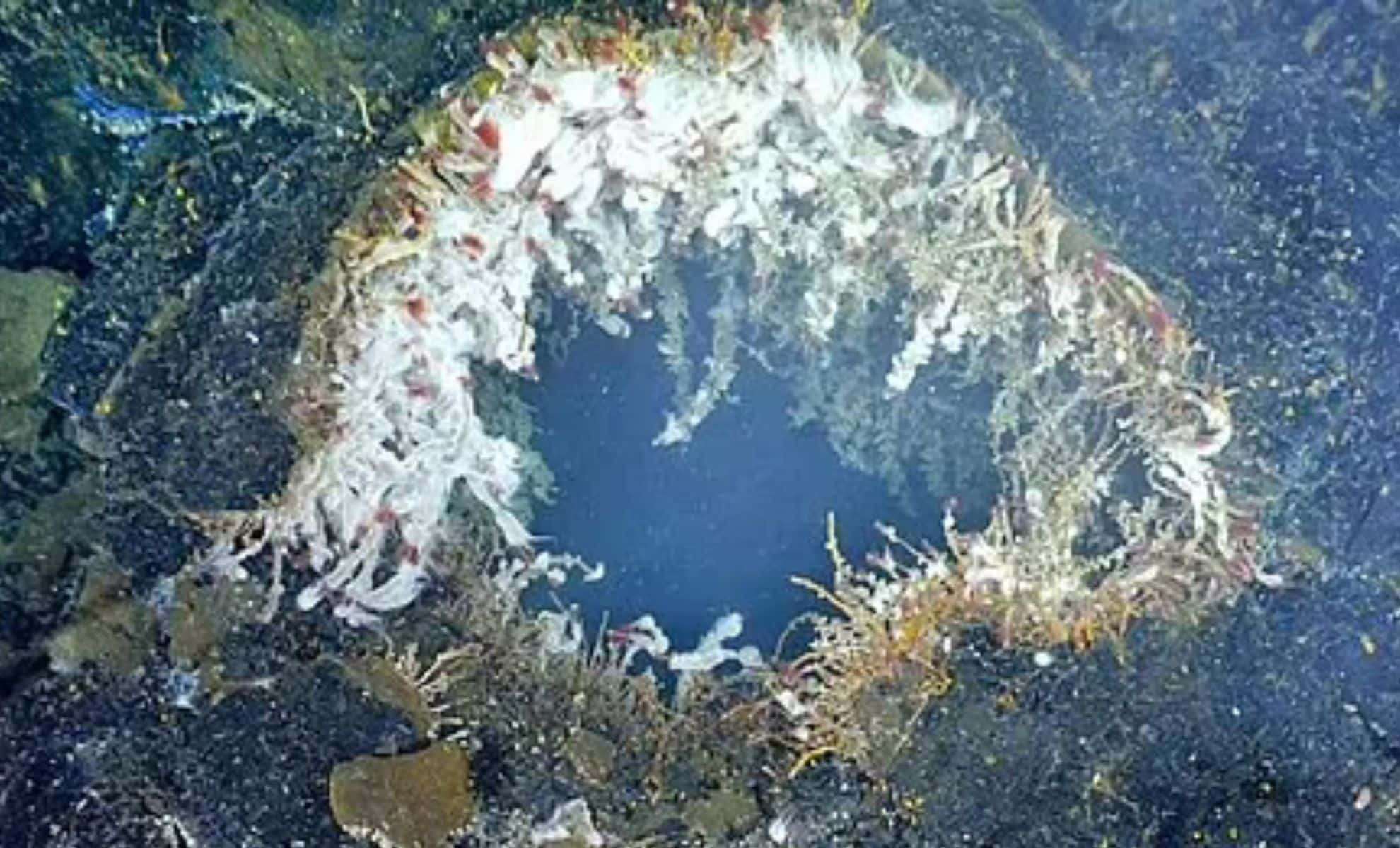
Located roughly 300 miles off Oregon’s coast, the substantial submarine volcano known as Axial Seamount is preparing for its upcoming eruption. Lying 4,626 feet beneath the Pacific's surface, this towering volcanic structure rises about 3,600 feet above the ocean floor and spans over a mile in width. Recognized as one of the most frequently erupting underwater volcanoes globally, Axial has experienced three eruptions in the last three decades, with researchers forecasting its next event to happen by late 2025.
In contrast to volcanic eruptions on land, Axial’s eruptive activity produces smooth and continuous lava flows rather than explosive blasts. These lava flows resemble those of Hawaiian shield volcanoes. Despite its frequent eruptions and impressive size, the threat it poses is minimal due to the crushing pressure exerted by the deep ocean that suppresses explosive activity. What makes Axial Seamount especially valuable is the extraordinary opportunity it offers scientists to monitor volcanic processes live, enhancing our understanding of volcanism beneath the ocean as well as on continents.
Distinctive Volcanic Activity at Axial Seamount
Axial Seamount is positioned along the Juan de Fuca Ridge, an underwater volcanic range extending from Oregon to Alaska. It is classified as a youthful shield volcano, known for its wide, gentle slopes and recurrent eruptions. Over decades, researchers have employed an advanced fiber-optic cable network along with remote sensing technologies to collect continuous, real-time data on this volcano.

Mike Poland, affiliated with the Yellowstone Volcano Observatory, calls Axial one of the world’s best-instrumented submarine volcanoes. Speaking to Cowboy State Daily, he said, “Axial stands out as one of the most closely observed underwater volcanoes globally. It’s intriguing and poses little risk.”
The volcano’s eruptive patterns result from steady magma influx, causing the summit area to inflate progressively. Bill Chadwick, a research associate at Oregon State University, described this process: “The summit of Axial swells much like a balloon as magma accumulates in the reservoir beneath. Eventually, the pressure causes fractures, allowing magma to surface. When the eruption occurs, the seabed subsides as the previously inflated area deflates like a released balloon.”
Axial Seamount At a Glance
Scientific Significance of Axial Seamount
Axial Seamount represents more than just an intriguing geological feature; it serves as a pivotal tool for volcanic research. By analyzing its activity patterns, scientists can sharpen eruption prediction methods applicable to volcanoes everywhere. Chadwick points out the volcano’s consistent activity: “Its three eruptions over 30 years earn Axial the title of the Pacific Northwest's most active volcano. Terrestrial volcanoes, in comparison, tend to remain dormant for extended periods, while Axial maintains a vigorous magma supply.”
The volcano’s eruptions, though impressive, unfold gently. Poland highlighted: “Eruptions at Axial resemble Hawaiian lava flows — calm, non-explosive outpourings of molten rock spreading across the seafloor.” This makes it an exceptional natural laboratory where volcanic mechanisms can be observed with minimal safety risks.
Advanced Techniques Monitoring Axial Seamount
Axial Seamount is under constant surveillance through cutting-edge tools such as pressure sensors tracking seafloor elevation changes and remotely operated vehicles (ROVs) like Jason, which explore and collect samples beneath the water’s surface. The fiber-optic cable system enables scientists to access live data feeds directly on their computers.
Chadwick noted the increasing rate of seafloor inflation at Axial. Following the last eruption in 2015, the seabed rose by over a meter annually but slowed considerably to about one centimeter per year by 2023. However, in 2024, inflation ballooned again to 25 centimeters per year, signaling an approaching eruption.
The extent of this real-time observation is unparalleled. “The ability to predict volcanic eruptions beneath vast and deep ocean waters is extraordinary,” Poland told Oregon Live. “Insights from Axial create a foundational model that could be adapted for other volcanoes.”
What to Expect When Axial Seamount Awakens
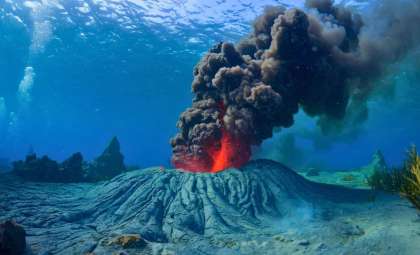
Axial’s eruptions occur under the crushing pressure of the deep ocean, which inhibits explosive behavior common to terrestrial volcanoes. As lava flows across the seafloor, it rapidly cools into distinctive pillow lavas—rounded formations created by solidifying magma. These eruptions also emit heat and nutrients that foster temporary biological hotspots.
Poland explained: “The massive weight of ocean water suppresses explosive volcanic activity, making deep underwater eruptions gentler. The cooling lava develops an insulating crust that lets flows extend across the seabed.”
Even with their subdued nature, Axial Seamount’s eruptions offer vital knowledge on magma dynamics, benefiting studies of both underwater and surface volcano systems.
Advancing Global Volcano Science With Axial Seamount
The impending eruption of Axial Seamount is a landmark event for volcanology. As one of the world’s most meticulously monitored underwater volcanoes, it presents an unmatched chance to observe an entire eruption cycle in detail. Years of tracking magma inflation and release provide essential data for understanding volcanic behavior.
This continuous monitoring is helping scientists create better eruption forecasting models potentially transferable to higher-risk land volcanoes. Understanding magma pressure buildup and release deepens knowledge about eruption timelines and mechanisms, improving early-warning capabilities and community safety measures.
Axial Seamount’s eruptions also offer valuable insights into how underwater volcanism shapes the Earth's surface. Lava flows alter the seafloor landscape and emit heat and nutrients, supporting complex deep-sea ecosystems and contributing to the planet’s geological evolution.
- Categories:
- News







0 comments
Sign in to Comment